Natural coagulant for wastewater treatment options and practical limits

Key Takeaways
- Understand the main symptoms and warning signs.
- Review common risks and prevention options.
- Learn when to seek professional medical advice.
What a natural coagulant can realistically do
In wastewater treatment, a natural coagulant is a plant-, animal- or microbe-derived material used to destabilize fine particles so they can form larger flocs and be removed by settling, flotation or filtration. In practice, these materials are most relevant when the treatment objective is turbidity reduction, suspended solids removal, color reduction, partial COD reduction, oil and grease capture, or lower use of conventional chemicals through coagulant-aid dosing.
They are not automatically suitable for every wastewater stream, and they do not remove all dissolved pollutants. Performance depends on pH, dose, mixing energy, wastewater composition, active ingredient quality and the downstream solids separation step. You can also explore more in Flocculants.
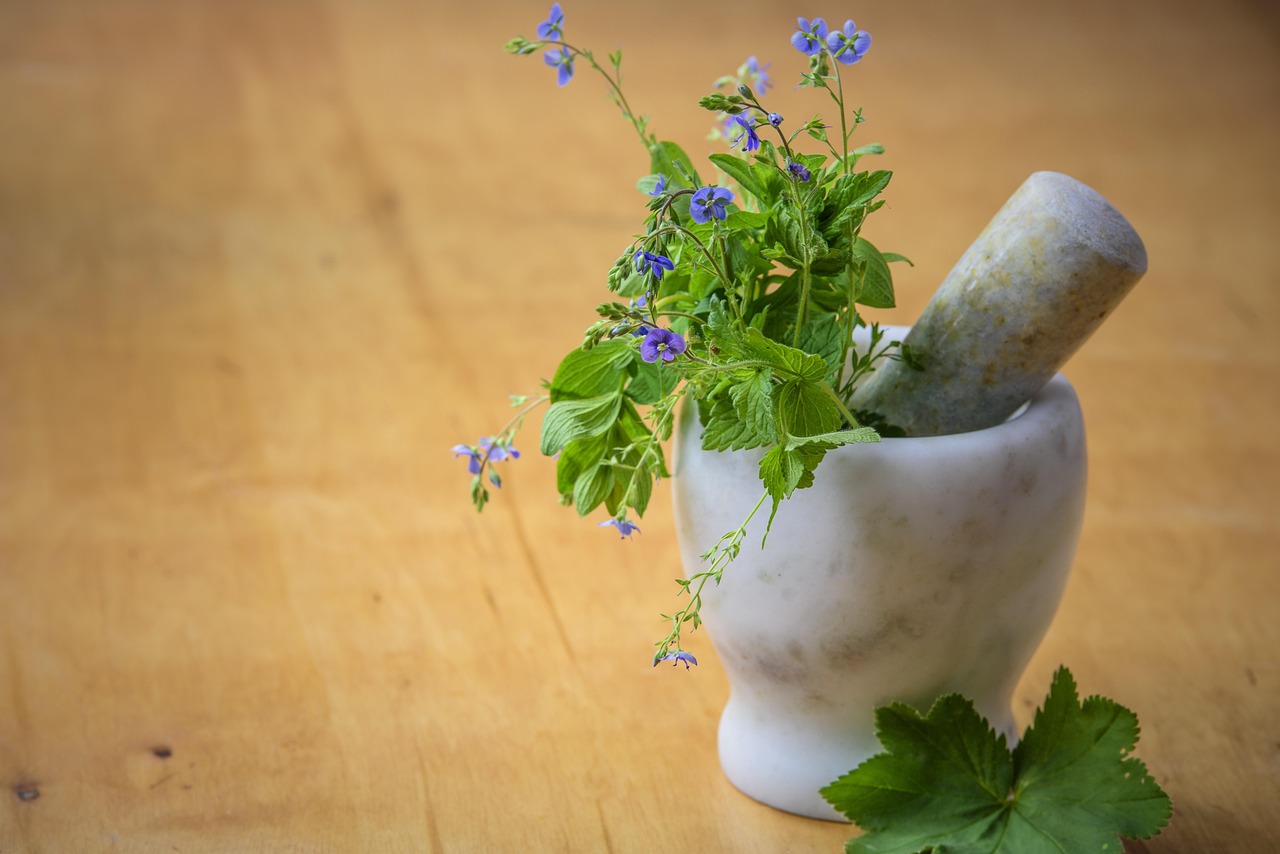
Natural coagulants are promising, particularly in selected industrial and decentralized treatment scenarios. Even so, they require the same disciplined treatability testing used for metal salts and synthetic polymers. For readers comparing this subject with broader clarification chemistry, the flocculants section provides related context.
How natural coagulation works in wastewater
Coagulation and flocculation are often discussed together, but they are not the same process. Coagulation destabilizes fine suspended and colloidal material. Flocculation then promotes collisions and aggregation, allowing destabilized particles to become larger, stronger and easier to separate. Depending on its chemistry and molecular size, a natural coagulant may perform one or both functions.
Peer-reviewed reviews commonly describe four overlapping mechanisms:
- Charge neutralization: positively charged proteins, amine groups or modified biopolymers reduce the negative surface charge of colloids, allowing particles to approach and aggregate.
- Adsorption and bridging: long-chain polymers attach to multiple particles and create larger floc networks.
- Patch flocculation: charged segments adsorb unevenly on particle surfaces, creating attractive zones between particles.
- Sweep flocculation: precipitating or gel-like material physically enmeshes particles as flocs form.
These mechanisms matter because they explain why a material that performs well in one wastewater may fail in another. A protein-rich seed extract, for example, may work well on high-turbidity water dominated by clay or organic colloids. The same extract may perform poorly when the wastewater contains strong chelants, surfactants, dissolved salts, emulsified oil, extreme pH or highly variable industrial additives.
Main types of natural coagulants
Plant seed and protein coagulants
Moringa oleifera seed is one of the most studied plant-based coagulant sources. The active fraction is often described as cationic protein, and studies have linked its performance to adsorption and charge neutralization. Other plant materials investigated in academic literature include beans, maize, cactus, okra, cassava, banana pith and various seed or peel extracts. These materials can be attractive where local availability and biodegradability are priorities, but crude extracts can vary widely by species, growing conditions, extraction method and storage.
Mucilage, starch and polysaccharide materials
Plant mucilage and starch-based coagulants are usually valued for bridging and floc strengthening. Cactus mucilage, okra mucilage and modified starch materials can help particles bind into larger flocs. In many cases, chemical or physical modification improves charge density, solubility and stability. Without modification, some plant polysaccharides may behave more like flocculant aids than primary coagulants.
Chitosan
Chitosan is produced from chitin, which is commonly obtained from crustacean shells and other biological sources. It contains amino and hydroxyl groups. Under acidic conditions, the amino groups can become protonated, giving chitosan a cationic character. This supports charge neutralization, adsorption and polymer bridging. Chitosan has been investigated for turbidity, color, metal ions, dyes, algae and some industrial wastewater applications. Its drawbacks include cost sensitivity, solubility limits, pH dependence and potential sourcing concerns where shellfish-derived inputs are not acceptable.
Tannin-based coagulants
Tannins are plant-derived polyphenolic compounds that can be converted into cationic coagulants or coagulant aids. Reviews have reported applications in water, municipal wastewater and industrial effluents such as textile, dairy, laundry and cosmetics wastewater. Tannin-based materials are especially interesting because they can combine renewable feedstock with more controlled industrial production than crude plant powders. Their effectiveness still depends on formulation, charge density, target pollutants and the solids separation design.
Microbial bioflocculants
Some bacteria, fungi and algae produce extracellular polymeric substances that can act as bioflocculants. These materials may contain polysaccharides, proteins and glycoproteins. They are studied for heavy metals, suspended solids, dyes and other pollutants. The main scale-up challenge is production consistency: fermentation conditions, downstream purification and preservation can strongly influence both cost and performance.
Where natural coagulants fit best
Natural coagulants should be evaluated by treatment objective rather than by sustainability language alone. They are most credible where the pollutant target is mainly particulate, colloidal, hydrophobic or adsorbable. They are less reliable when the main target is a fully dissolved contaminant that requires precipitation, oxidation, biological conversion, membrane separation or adsorption on specialized media.
| Wastewater situation | Potential role of natural coagulant | Key caution |
|---|---|---|
| Food processing or oily wastewater | Assist removal of suspended solids, emulsified oil and color before biological treatment | Crude organic extracts may add soluble COD if overdosed |
| Textile or dye-containing wastewater | Reduce color and colloidal dye-associated solids in selected streams | Dissolved dyes may require oxidation, adsorption or membrane polishing |
| Municipal primary or tertiary clarification | Improve settling or reduce chemical demand as a coagulant aid | Must protect downstream biological nutrient removal and sludge handling |
| Metal-bearing industrial wastewater | Support floc formation after pH adjustment or precipitation | Metal speciation, complexants and discharge limits control the design |
| Decentralized or low-resource treatment | Provide locally sourced clarification support | Need hygiene control, stable preparation and reliable dosing |
The practical message is that natural coagulants are not a single product class with uniform behavior. They are a family of materials, and their performance has to be matched to the wastewater matrix.
Comparison with alum, ferric salts and synthetic polymers
Conventional coagulants remain widely used because they are predictable, commercially standardized and supported by decades of design experience. The U.S. EPA’s nutrient control guidance describes chemical precipitation with alum, ferric chloride, ferrous salts or lime as a time-tested route for phosphorus removal, with polymers and other aids used to improve floc formation and settling. That does not mean conventional chemicals are always better. It means their engineering basis is well established.
Natural coagulants may offer several advantages:
- renewable or bio-based sourcing, depending on the material;
- biodegradability for many plant and biopolymer options;
- lower metal addition to sludge when used instead of or alongside metal salts;
- potential use as a coagulant aid to reduce total chemical consumption;
- local sourcing opportunities in some regions.
They also have important limitations: See also: Inhibitors.
- variable active content in crude plant powders and extracts;
- shorter shelf life for some aqueous extracts;
- possible addition of dissolved organic matter to treated water;
- less full-scale operating history than alum, ferric salts and synthetic polymers;
- uncertain cost when extraction, purification, transport and quality control are included;
- possible allergen, odor, microbial stability or regulatory concerns depending on the source.
For phosphorus removal, natural coagulants are generally better viewed as aids or complementary materials unless testing proves otherwise. Metal salts remove soluble phosphate through chemical precipitation, while many natural coagulants mainly target colloids and suspended matter. If a facility has a numeric total phosphorus limit, especially a low tertiary limit, it should not assume a natural coagulant will replace ferric or aluminum chemistry without rigorous pilot testing.
What to test before choosing a natural coagulant
The most defensible selection method is a structured jar test program, followed by pilot testing when the results justify it. ASTM D2035-19 covers a standard practice for evaluating coagulation-flocculation by gravity settling for water and wastewater. EPA design guidance also emphasizes jar tests and, where needed, pilot tests to account for dose, pH, alkalinity, competing reactions, mixing and polymer interactions.
A useful screening program should measure more than visual clarity. At minimum, it should compare:
- raw and treated turbidity;
- total suspended solids;
- COD and, where relevant, BOD impact;
- color or UV absorbance for dye and organic-rich streams;
- pH and alkalinity before and after dosing;
- zeta potential if available;
- settling velocity and sludge volume index or equivalent sludge observations;
- filterability or flotation behavior if downstream separation is not simple settling;
- residual nutrients, metals or priority pollutants tied to permit requirements;
- odor, biological stability and storage stability of the prepared coagulant.
The test matrix should include underdose and overdose conditions. Natural polymers can restabilize particles if overdosed, just as synthetic polymers can. Operators should also test order of addition. In some systems, the best result may come from pH adjustment, followed by a metal salt or precipitant, and then a low dose of natural polymer as a flocculant aid. In other cases, a natural coagulant may work best before filtration or dissolved air flotation.
Operational and regulatory limits
Wastewater treatment decisions are ultimately judged by permit compliance, process stability and lifecycle cost. A natural coagulant that reduces turbidity in a beaker may still be unsuitable if it increases soluble COD, causes odor, interferes with biological treatment, produces weak sludge, clogs feed lines or varies from batch to batch.
Several operational questions should be answered before implementation:
- Can the active ingredient be standardized? Industrial plants need repeatable dosing. Crude powders may be too variable unless controlled by specification.
- How is the coagulant prepared? Salt extraction, acid dissolution, drying, grinding and purification can all change performance and cost.
- How long is the product stable? Aqueous biological extracts can degrade or support microbial growth if they are not preserved and handled correctly.
- What happens to the sludge? Sludge mass, dewaterability, odor, metal content and disposal classification may change.
- Does it support the discharge target? Natural origin does not exempt a facility from meeting numeric limits for TSS, COD, phosphorus, metals, toxicity or color.
These limits do not make natural coagulants impractical. They mean the decision should be made with the same engineering discipline used for any treatment chemical.
Frequently asked questions
Can a natural coagulant fully replace alum or ferric chloride?
Sometimes, but not as a general rule. Replacement is most plausible when the main target is turbidity, color or suspended solids. For soluble phosphorus precipitation or difficult industrial pollutants, metal salts, pH control, oxidation, adsorption or membrane processes may still be needed.
Does natural mean safer for wastewater treatment?
Not automatically. Many natural materials are biodegradable and renewable, but crude extracts may add organic load, support microbial growth, create odor or vary in composition. Safety depends on source, preparation, dose, residuals and sludge handling.
Which natural coagulant is most studied?
Moringa oleifera seed and chitosan are among the most widely discussed in research literature, while tannin-based coagulants are notable because they can be manufactured into more controlled commercial formulations. The best option still depends on the wastewater stream.
What is the first step for evaluating a natural coagulant?
Start with jar testing on the actual wastewater, not a generic recipe. Test multiple doses, pH conditions and addition sequences, then confirm the result with pilot-scale operation if compliance or capital decisions depend on it.
Bottom line for treatment planning
Natural coagulants are a serious area of wastewater treatment research and a practical option in selected applications. Their strongest value is usually in reducing turbidity, improving floc formation, supporting solids separation and potentially lowering dependence on conventional chemicals. Their weakest point is predictability: natural feedstocks and crude extracts can vary, and wastewater matrices are rarely simple.
The better planning question is not whether natural coagulants are universally better than conventional chemistry. It is where they can improve a specific treatment train without compromising compliance, reliability or sludge management. When that question is answered through jar tests, pilot trials and lifecycle review, natural coagulants can become a useful part of the wastewater treatment toolbox rather than a marketing claim.