
Agricultural wastewater management, treatment and safe reuse in farming
Key Takeaways
- Understand the main symptoms and warning signs.
- Review common risks and prevention options.
- Learn when to seek professional medical advice.
What agricultural wastewater includes
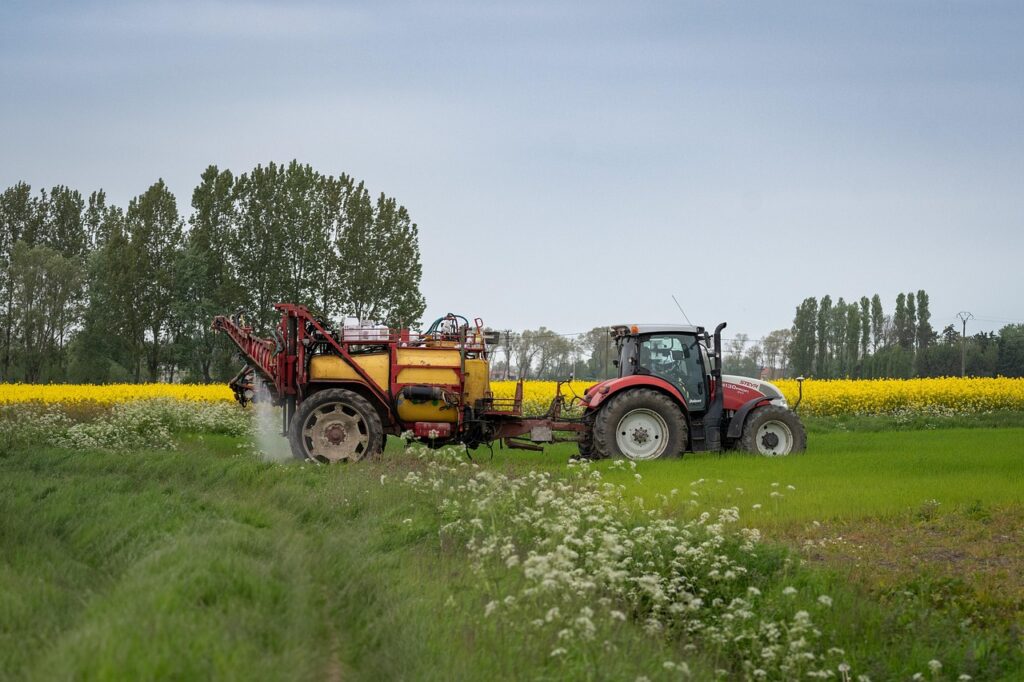
Agricultural wastewater is not a single, uniform stream. It may refer to stormwater runoff from fields, tile drainage, irrigation return flows, liquid manure, milking parlor wash water, equipment washdown, greenhouse nutrient solution, aquaculture discharge, or treated wastewater reused for irrigation. The management question is not only where the water comes from, but what it carries and where it may go next. For farms, food processors, water managers and environmental teams, agricultural wastewater planning should connect source control, treatment, storage, monitoring and safe reuse. In the broader wastewater field, agriculture is especially difficult because flows are seasonal, rainfall-driven and often spread across large land areas rather than discharged from a single pipe.
Two distinctions help frame the issue. First, wastewater generated by agriculture is different from municipal or industrial reclaimed water used in agriculture. A dairy lagoon, drainage ditch and greenhouse recirculation tank fit the first category. Treated municipal effluent used for crop irrigation fits the second. Second, not every polluted farm water stream is regulated in the same way. Some discharges are point sources, while many field runoff pathways are treated as nonpoint-source pollution and managed through conservation practices, incentives, permits, watershed plans and local rules.
Why agricultural wastewater is difficult to manage
Agricultural wastewater changes with the weather, crop calendar, animal numbers, soil condition and day-to-day management. Heavy rain after fertilizer or manure application can create a very different pollution load from a dry-weather irrigation return flow. A greenhouse or livestock operation may have relatively contained wastewater, while broadacre cropland may lose pollutants through overland runoff, leaching and subsurface drainage.
Public agencies consistently identify agriculture as a major source of nutrient, sediment and pathogen pressure on rivers, lakes, wetlands and groundwater. The U.S. Environmental Protection Agency describes nitrogen and phosphorus from fertilizers and animal manure as useful crop inputs that become pollutants when they are not fully used by plants and then wash into waterways or leach through soil. USDA conservation materials also emphasize that no single practice can solve agricultural water quality concerns across all farms.
| Common contaminant group | Typical agricultural sources | Main concern |
|---|---|---|
| Nitrogen and phosphorus | Fertilizer, manure, lagoon liquids, drainage water | Eutrophication, algal blooms, hypoxia and groundwater nitrate risks |
| Sediment | Soil erosion, bare ground, drainage channels, construction on farms | Clouded water, habitat damage and transport of attached phosphorus or pesticides |
| Organic matter | Manure, silage leachate, wash water, processing residues | Oxygen demand in receiving waters and odor issues |
| Pathogens | Animal waste, untreated or poorly treated reclaimed water | Worker, livestock, crop and downstream public health risks |
| Salts and sodicity | Irrigation return flows, saline groundwater, reused water | Soil structure damage, crop yield impacts and downstream salinity |
| Pesticides, veterinary residues and trace chemicals | Crop protection products, livestock operations, storage and handling areas | Aquatic toxicity, groundwater concerns and monitoring complexity |
Regulatory context and source control
Regulation depends heavily on location and on whether the water is a permitted discharge, a nonpoint runoff issue, or a reuse stream subject to irrigation and food safety controls. In the United States, EPA materials on the National Pollutant Discharge Elimination System explain that concentrated animal feeding operations can require permits when they discharge. At the same time, agricultural stormwater runoff and return flows from irrigated agriculture are generally not treated as federal NPDES point sources. This distinction matters because it affects whether the first priority is permit compliance, voluntary conservation, watershed planning, or a combination of these approaches.
In practical terms, source control often provides the largest benefit per dollar. Nutrient management aligns fertilizer and manure with crop needs, application timing, soil tests and weather conditions. Erosion control keeps soil in the field. Proper chemical storage and mixing pads reduce accidental releases. Separating clean roof water from contaminated yard water can reduce the volume that requires treatment. In livestock operations, feedlot grading, covered storage, lagoon freeboard, mortality management and spill prevention can reduce contaminated runoff before it becomes a treatment problem.
Treatment and management options
Agricultural wastewater management should be designed around the actual source, volume, contaminant load and end use. A treatment system built for dairy parlor wash water will not solve nitrate in tile drainage. A vegetated buffer that removes sediment may not adequately address dissolved nitrate. The most resilient plans combine several measures instead of relying on one technology.
Field and soil-based controls
Conservation practices such as cover crops, reduced tillage, contour farming, crop rotation and residue management reduce erosion and improve infiltration. USDA NRCS has repeatedly highlighted cover crops, residue management and soil health practices as ways to reduce nutrient loss and runoff risk while improving soil function. These measures are not wastewater treatment plants, but they can reduce the amount and strength of runoff that later needs to be managed.
Edge-of-field and drainage controls
Vegetated filter strips, grassed waterways, riparian buffers, constructed wetlands, saturated buffers and denitrifying bioreactors can intercept water after it leaves the field but before it reaches a stream. These practices do not remove the same pollutants in the same way. Buffers and waterways are often useful for sediment and particulate phosphorus. Denitrifying bioreactors and saturated buffers are more targeted toward nitrate in subsurface drainage. Drainage water management can also hold water in the soil profile when agronomically appropriate, reducing some nutrient export while supporting crop water availability.
Livestock and manure wastewater systems
Animal operations often need storage, settling, solids separation and land application planning. Lagoons, tanks and manure storage structures provide flexibility so nutrients can be applied when crops can use them rather than during unsafe weather or saturated soil conditions. Solids separation can reduce organic loading and make downstream treatment easier. Anaerobic digestion may be considered where there is sufficient manure volume, energy demand and operational capacity, but it does not remove the need for nutrient management. Digestate still contains nitrogen, phosphorus and salts that require responsible handling.
Reuse for irrigation
Reusing treated wastewater in agriculture can save freshwater and recover nutrients, but it also adds risk if pathogens, salts, trace chemicals or excess nutrients are not controlled. WHO, FAO and UNEP guidance on safe wastewater use has long emphasized a risk-based, multiple-barrier approach. In practice, this can include appropriate treatment, crop restrictions, safer irrigation methods, withholding periods, worker protection, produce washing, soil salinity monitoring and clear operating procedures. Drip or subsurface irrigation may reduce contact with edible crop parts compared with overhead application, but the right approach depends on crop type, local rules and water quality.
A practical decision framework for farms and project teams
The best agricultural wastewater strategy starts with a water balance and a pollutant inventory. Project teams should map where water enters the site, where it becomes contaminated, how it moves during storms or irrigation cycles, and where it is stored, reused or discharged. Seasonal peaks matter. A system that works during average weather may fail during harvest, lagoon pump-down, monsoon periods or snowmelt. See also: Flocculants.
- Define each water stream. Separate clean stormwater, lightly contaminated runoff, high-strength manure liquids, process wash water and drainage water wherever possible.
- Estimate flow variability. Include rainfall intensity, irrigation schedules, animal housing cycles, cleaning routines and storage capacity.
- Test the right parameters. Nutrients, solids, organic matter, pathogens, salinity and pH often matter more than a generic wastewater panel.
- Identify the receiving environment. Groundwater recharge areas, drainage ditches, wetlands, lakes and shellfish waters may require different protection levels.
- Match treatment to the limiting risk. Do not install a sediment-focused practice if dissolved nitrate is the main concern.
- Plan for maintenance. Buffers need vegetation management, lagoons need sludge monitoring, pumps need backup power and sensors need calibration.
- Document decisions. Records of sampling, land application, rainfall, storage levels and inspections can support compliance and improve future planning.
What to monitor in agricultural wastewater
Monitoring should answer a management question, not simply produce data. If water will be reused for irrigation, salinity, sodium hazard, pathogens and nutrients may be central. If a livestock site is managing lagoon discharge risk, storage volume, freeboard, nitrogen, phosphorus, biochemical oxygen demand and solids may matter. If a drainage project targets nitrate reduction, nitrate concentration and drainage volume are essential.
| Parameter | Why it matters | Typical use |
|---|---|---|
| Flow or volume | Pollutant load depends on both concentration and water volume | Design, compliance planning and storage sizing |
| Total suspended solids or turbidity | Tracks erosion, sediment transport and some attached pollutants | Runoff controls, settling systems and buffers |
| Total nitrogen, nitrate and ammonia | Shows nutrient loss, crop value and water quality risk | Fertilizer planning, drainage projects and reuse |
| Total phosphorus and dissolved phosphorus | Important for algal bloom risk and soil phosphorus buildup | Manure management, buffers and watershed plans |
| BOD or COD | Indicates oxygen-demanding organic matter | Livestock wastewater and wash water treatment |
| Electrical conductivity, TDS and sodium indicators | Shows salinity and sodicity risk | Irrigation reuse and drainage management |
| Indicator organisms | Helps assess pathogen control | Reuse, livestock runoff and produce safety planning |
| pH | Affects treatment performance, soil chemistry and aquatic toxicity | General wastewater control and irrigation suitability |
Trends changing agricultural wastewater planning
Three trends are increasing the importance of agricultural wastewater management. The first is water scarcity. USGS 2020 estimates for the lower 48 United States put crop irrigation withdrawals at about 110,904 million gallons per day, with most of the consumptive use not returning directly to local water bodies or groundwater. As irrigation demand competes with urban, industrial and ecological needs, reuse and water efficiency are becoming more strategic.
The second trend is climate variability. More intense rainfall can increase runoff, erosion and nutrient movement, while drought can concentrate salts and pollutants in drainage and reuse streams. USDA Climate Hubs have noted that changing precipitation patterns can increase risks from fertilizer runoff and effluents in some regions. For wastewater planning, this means storage, drainage, soil cover and emergency overflow design need to be tested against more than historical averages.
The third trend is data-driven conservation. Edge-of-field monitoring, remote sensing, soil moisture tools, variable-rate application and watershed models can help target practices where they are most likely to produce measurable results. However, data does not replace field judgment. A sensor network will not fix a leaking lagoon, poor manure timing, compacted soil or an undersized buffer. Strong programs combine measurement with practical operations, incentives and maintenance.
Frequently asked questions
Is agricultural wastewater the same as farm runoff?
No. Farm runoff is one type of agricultural wastewater, but the term can also include manure liquids, wash water, irrigation return flows, tile drainage, greenhouse nutrient water, aquaculture discharge and treated wastewater reused for irrigation. Each stream has different risks and treatment needs.
What is the biggest pollutant concern in agricultural wastewater?
There is no single answer for every farm. Nutrients such as nitrogen and phosphorus are often the main watershed concern because they can contribute to algal blooms and oxygen depletion. Sediment, pathogens, salts, pesticides and organic matter can be equally important depending on the operation and receiving water.
Can agricultural wastewater be reused safely?
Yes, but only when water quality, crop type, irrigation method, worker exposure, soil condition and local regulations are considered together. Treated wastewater reuse can provide water and nutrients, while poor control can spread pathogens, salts or excess nutrients. A multiple-barrier approach is usually safer than relying on treatment alone.
Do all farms need a mechanical wastewater treatment plant?
No. Many agricultural water quality problems are better addressed through source separation, nutrient management, soil health practices, buffers, drainage controls, storage and timing changes. Mechanical or biological treatment may be appropriate for concentrated streams such as livestock wash water or greenhouse recirculation, but it should match the pollutant and operating capacity.
How should a project team start an agricultural wastewater assessment?
Start with a site map, water balance, contaminant inventory and review of applicable rules. Identify clean water that can be diverted, high-strength water that needs containment, seasonal flow peaks and the most sensitive receiving environments. Sampling should then be designed to confirm the main risks rather than used as a generic checklist.