How Does NaOCl Enhance Industrial Disinfection Efficiency Worldwide
Key Takeaways
- Understand the main symptoms and warning signs.
- Review common risks and prevention options.
- Learn when to seek professional medical advice.
The Broad Applications of Sodium Hypochlorite
Sodium hypochlorite (NaOCl) remains one of the most versatile and cost-effective disinfectants in industrial and municipal operations. Its strong oxidizing nature provides reliable microbial control across water treatment, food processing, and healthcare environments. Despite its chemical simplicity, NaOCl’s performance depends on precise control of concentration, pH, and exposure conditions. From on-site electrochemical generation to automated dosing systems, industries worldwide are refining its use for safer, more sustainable disinfection.
The Chemical Foundation of Sodium Hypochlorite (NaOCl)
The chemical behavior of NaOCl defines its broad disinfection capabilities. Its reactivity stems from the balance between stability in storage and rapid oxidation upon contact with organic matter or microorganisms.
Structural and Reactive Properties of NaOCl
Sodium hypochlorite consists of sodium (Na⁺) and hypochlorite (OCl⁻) ions. The compound’s oxidative potential arises from the ability of OCl⁻ to release active chlorine species when dissolved in water. At neutral to slightly alkaline pH, NaOCl exists predominantly as OCl⁻, while at lower pH it converts to hypochlorous acid (HOCl), a more potent oxidizer. This equilibrium is crucial for controlling antimicrobial efficacy.
Decomposition occurs via disproportionation reactions that form chlorate ions and oxygen gas, accelerated by heat, light, or metal contamination. Industrial-grade NaOCl solutions typically contain stabilizers or are stored in opaque containers to minimize degradation.
The compound’s high redox potential correlates directly with its antimicrobial performance. Active chlorine disrupts cellular metabolism through oxidation of proteins and nucleic acids, rendering microorganisms inactive within seconds under optimal conditions.
Mechanisms of Microbial Inactivation
When NaOCl dissolves in water, HOCl forms as the primary biocidal agent. HOCl penetrates microbial cell walls due to its neutral charge, creating oxidative stress that damages vital biomolecules.
The reaction with membrane lipids causes leakage of cellular contents and collapse of osmotic balance. Enzymatic systems relying on sulfhydryl groups are particularly vulnerable to oxidation by chlorine species.
Compared with other oxidants such as hydrogen peroxide or ozone, NaOCl offers a broader antimicrobial spectrum at lower cost but may produce residual chlorine compounds requiring post-treatment control.
Industrial Applications of NaOCl in Disinfection Processes
Across industries, sodium hypochlorite serves as a cornerstone disinfectant due to its availability, ease of dosing, and proven microbiological control. Each application demands tailored handling strategies to balance efficacy with material compatibility.
Water Treatment and Sanitation Systems
Municipal utilities rely on NaOCl for drinking water purification and wastewater disinfection. It effectively eliminates pathogens like E. coli and Giardia while maintaining residual protection throughout distribution networks.
In cooling towers and pipelines, continuous low-level dosing prevents biofilm formation that can compromise system efficiency or harbor Legionella bacteria. Automated controllers adjust feed rates based on real-time chlorine demand measurements.
Optimizing dosing involves balancing contact time with concentration; excessive addition increases corrosion risk without improving disinfection results.
Food and Beverage Processing Facilities
In food plants, sodium hypochlorite sanitizes conveyor belts, cutting tools, tanks, and packaging lines. Routine surface rinsing removes organic residues that otherwise promote microbial growth during production cycles.
Its use reduces microbial load on raw materials such as fruits or vegetables before processing steps like slicing or fermentation. Concentrations between 50–200 ppm are typical depending on contamination levels.
Compatibility testing ensures no adverse reaction with stainless steel or polymer components used in processing equipment. Proper rinsing minimizes any residual taste or odor effects on final products.
Healthcare and Pharmaceutical Manufacturing Environments
Hospitals employ NaOCl for surface decontamination in wards and laboratories due to its broad virucidal activity against enveloped viruses including coronaviruses. In pharmaceutical cleanrooms, validated procedures confirm sterility assurance levels after each sanitization cycle.
Compared with hydrogen peroxide vapor or peracetic acid systems, sodium hypochlorite offers faster action but requires careful ventilation management to limit chlorine off-gassing during application.
Enhancing Disinfection Efficiency Through Process Optimization
Industrial users increasingly integrate digital tools to refine how sodium hypochlorite is applied across diverse systems. Process optimization not only improves hygiene outcomes but also reduces chemical consumption over time.
Concentration Control and Contact Time Management
Effective microbial kill rates depend on both concentration and exposure duration—the classic CT (concentration × time) relationship used in disinfection modeling. For example, 1 mg/L free chlorine maintained for 30 minutes achieves typical potable water safety targets under moderate turbidity conditions.
Temperature elevation accelerates reaction kinetics but can also decompose free chlorine faster; thus temperature compensation features are often built into automated controllers. Maintaining solution pH between 6–8 maximizes HOCl availability while limiting corrosivity toward infrastructure metals.
Reducing organic load before chlorination lessens overall chlorine demand and prevents excessive by-product formation such as trihalomethanes.
Integration with Automated Dispensing Systems
Digital monitoring units now maintain consistent NaOCl delivery through flow-proportional pumps tied to sensor feedback loops. These closed-loop systems prevent overdosing events common in manual setups.
Automation minimizes operator exposure risks associated with concentrated bleach handling while ensuring uniform microbial control even during variable plant throughput periods.
For large-scale operations like beverage bottling or municipal treatment works, remote telemetry allows central oversight across multiple dosing points—enhancing reliability without increasing labor intensity.
Environmental and Safety Considerations in Global Use of NaOCl
Despite its benefits, sodium hypochlorite must be managed carefully due to potential hazards linked to decomposition gases or residual discharge into waterways. Compliance with international safety standards remains essential across supply chains.
Handling, Storage, and Decomposition Management
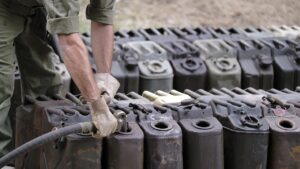
Storage tanks should be constructed from compatible materials such as PVC or HDPE rather than metals susceptible to corrosion by chloride ions. Containers must remain sealed from sunlight since UV radiation accelerates breakdown into chlorate ions and oxygen gas buildup that may increase internal pressure risk.
Transport follows UN Class 8 corrosive substance regulations requiring secondary containment measures during shipment across borders under frameworks like ADR or IMDG codes.
Routine inspection schedules detect early signs of vent clogging or discoloration indicative of product degradation before it affects disinfection performance downstream.
Environmental Impact Mitigation Strategies
Residual chlorine entering effluent streams can harm aquatic organisms even at low concentrations; hence neutralization using reducing agents such as sodium bisulfite is standard practice prior to discharge into natural waters.
Some facilities recover excess active chlorine via catalytic reduction units that convert it back into chloride salts suitable for reuse within closed-loop circuits—a growing sustainability trend aligned with ISO 14001 environmental management principles.
Adoption of these mitigation techniques supports compliance with global directives limiting halogenated compound emissions from industrial activities while preserving local biodiversity integrity.
Innovations Driving the Future Use of Sodium Hypochlorite in Industry
Technological evolution continues reshaping how industries generate and apply NaOCl solutions more safely and efficiently amid tightening environmental expectations worldwide.
Advances in Electrochemical Generation Technologies
On-site generation units produce fresh sodium hypochlorite directly from brine using low-voltage electrolysis cells. This approach eliminates transport hazards associated with bulk liquid bleach shipments while providing higher purity outputs free from stabilizing additives that could interfere with sensitive processes like pharmaceutical cleaning validation tests.
Modern membrane-cell designs achieve improved current efficiency above 90%, reducing electricity costs per kilogram of available chlorine produced compared with older diaphragm configurations still found in legacy installations.
Capital investment analyses increasingly favor decentralized generation models where operational continuity outweighs initial setup expenses through reduced logistical dependency on external suppliers.
Emerging Trends in Global Industrial Disinfection Practices
A growing number of facilities now combine sodium hypochlorite treatment stages with ultraviolet irradiation or ozone injection systems for multi-barrier pathogen control strategies demanded by stricter regulatory frameworks governing potable water safety worldwide.
This hybridization trend aligns industrial hygiene programs with sustainability goals emphasizing reduced chemical footprints alongside energy-efficient sterilization methods supported by renewable power integration initiatives promoted by organizations like IEA and ISO TC147 committees overseeing water quality management standards development efforts globally.
Predictive modeling platforms using computational fluid dynamics simulate how disinfectant dispersion behaves within complex piping networks—allowing engineers to fine-tune system geometry long before physical commissioning begins for optimal biocidal coverage consistency across distributed infrastructure assets operating continuously year-round under varying load conditions typical within modern industrial ecosystems today.
FAQ
Q1: What makes sodium hypochlorite an effective disinfectant?
A: Its strong oxidation potential enables rapid destruction of microbial cell structures through reactions involving hypochlorous acid formed upon dissolution in water.
Q2: How should NaOCl be stored safely?
A: It should be kept in opaque plastic containers away from heat sources or sunlight to prevent decomposition into chlorate ions and oxygen gas buildup.
Q3: Can sodium hypochlorite corrode metal surfaces?
A: Yes, prolonged exposure can corrode metals like steel; therefore compatible materials such as PVC are preferred for storage systems.
Q4: Is on-site generation more sustainable than bulk delivery?
A: On-site electrolysis reduces transportation emissions and ensures fresher product quality while minimizing hazardous waste output overall.
Q5: How does pH affect disinfection performance?
A: Lower pH favors formation of hypochlorous acid which enhances biocidal activity though excessive acidity may increase corrosion risk within process equipment lines.