
Dazomet biocide uses in soil fumigation, wood preservation and compliance
What dazomet biocide is and why it matters
Dazomet biocide is better understood as a controlled-release active substance than as a conventional spray disinfectant. Under moist conditions, dazomet breaks down and generates methyl isothiocyanate, commonly abbreviated as MITC. MITC can diffuse through treated material and act against a broad range of biological targets. This chemistry is why dazomet is mainly associated with pre-plant soil fumigation, selected antimicrobial uses and wood preservation, rather than routine surface sanitation.
For chemical buyers, formulators and regulatory teams, the practical question is not simply whether dazomet is effective. The more useful question is where it is legally approved, how exposure must be controlled and whether the intended use fits a permitted product category. Readers comparing active substances across biocides should treat dazomet as a specialized fumigant-type option with significant handling, labeling and authorization constraints.
How dazomet works after activation
Dazomet, CAS No. 533-74-4, is a sulfur-containing heterocyclic compound with the molecular formula C5H10N2S2. Public chemical databases describe it as a white to off-white solid and identify it with agricultural and antimicrobial functions. Its commercial relevance comes from its decomposition behavior. When dazomet is incorporated into moist soil or used in an approved preservative application, it can form MITC and other volatile degradation products.
MITC is the principal biologically active degradate associated with dazomet fumigation. Because it is volatile, it can move through pore spaces in soil or penetrate localized treatment zones in wood. That diffusion can help reach organisms that are not easily contacted by a liquid surface treatment. It is also why regulators focus closely on inhalation exposure, buffer zones, worker protection and bystander safety.
The activity profile is broad. EPA reregistration documents describe dazomet as having fungicidal, herbicidal and nematicidal properties in soil fumigation. Other regulatory descriptions include antimicrobial roles such as fungicide, microbiocide, algaecide, bacteriostat and mildewcide in specific use sites. In practical terms, dazomet is not a narrow single-target active. It can affect fungi, nematodes, bacteria, germinating weed seeds and other organisms when the treatment is matched to the registered label.
Main use areas for dazomet
Pre-plant soil fumigation
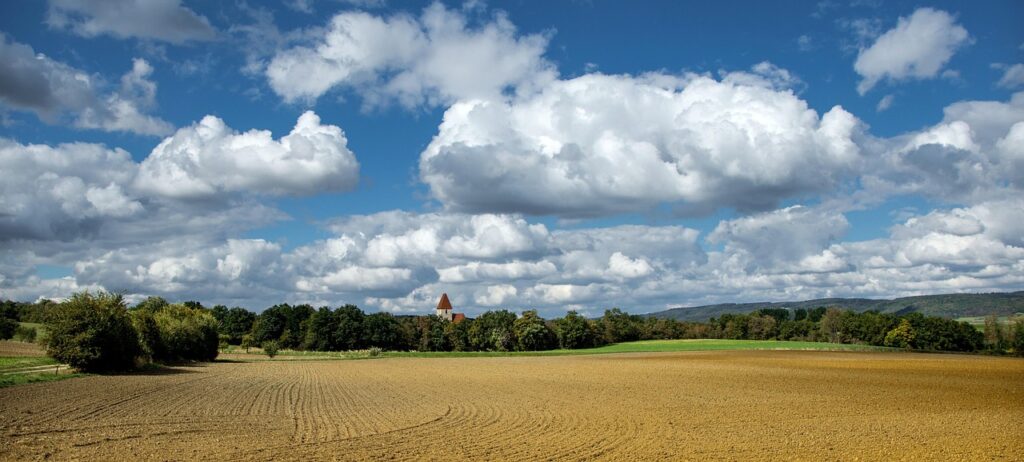
Soil fumigation remains the most familiar use context for dazomet. In this pattern, a granular product is typically incorporated into prepared soil before planting. Moisture, temperature, soil structure and sealing all influence how effectively MITC is generated and retained in the treatment zone. The purpose is to reduce soil-borne pressure before a crop, turf, nursery or other planting system is established.
This use should not be simplified as soil sterilization in a casual sense. Fumigation can substantially reduce target pests, but field performance depends on soil preparation, moisture, temperature, organic matter, incorporation depth, sealing and the required waiting interval before planting. Treated soil also needs label-directed aeration and verification before sensitive plants are introduced. Poor timing can cause phytotoxicity because residual fumigant or degradation products may injure seedlings and transplants.
Wood preservation and remedial treatment
In the European biocidal regulatory system, dazomet has a separate role under product-type 8, which covers wood preservatives. The EU renewal decision published in November 2025 specifically concerns dazomet as an active substance for use in biocidal products of product-type 8. This is different from broad agricultural plant protection approval and should be assessed as a separate regulatory track.
Wood-related uses are typically linked to targeted protection or remedial treatment, not general household disinfection. The regulatory focus is whether the product authorization covers the specific use, whether treated-article requirements are met and whether instructions and precautions appear in the summary of product characteristics and on the relevant labels.
Antimicrobial and specialty uses
EPA chemical information identifies dazomet as both an antimicrobial and a conventional pesticide active ingredient. That dual classification matters for industry readers because the same active substance may fall under different regulatory frameworks depending on the end use, claim, formulation and application site. A dazomet-containing product intended for soil fumigation is evaluated differently from a dazomet-containing product making antimicrobial preservation claims.
Regulatory picture as of October 15, 2026
Dazomet regulation is fragmented by jurisdiction and use category. A single approved or not approved answer is therefore misleading. Status depends on whether the discussion concerns US pesticide registration, EU plant protection authorization, EU biocidal product-type 8 approval, national product authorization or treated articles.
| Jurisdiction or framework | Use track | Current regulatory signal | Practical meaning |
|---|---|---|---|
| United States EPA | Soil fumigant and antimicrobial pesticide uses | EPA records identify dazomet with PC Code 035602 and list it as both antimicrobial and conventional. The 2008 reregistration decision found registered uses eligible when required mitigation and labeling are implemented. | Use depends on active product registration, label directions, fumigant management plans and worker and bystander protections. |
| EU Biocidal Products Regulation | Product-type 8, wood preservatives | Commission Implementing Regulation (EU) 2025/2345 renewed dazomet for product-type 8. The regulation was adopted on November 19, 2025, entered into force on December 10, 2025 and lists an approval expiry date of August 31, 2040. | Active-substance approval does not automatically authorize every product. Product authorization and treated-article obligations still matter. |
| EU plant protection framework | Plant protection active substance | Commission Implementing Regulation (EU) 2026/1421 extended the plant protection approval period for dazomet to November 30, 2029 while renewal evaluation continues. | This extension keeps the renewal process open but is not the same as a final long-term renewal conclusion. |
The main takeaway is that the EU currently separates dazomet’s biocidal wood-preservative status from its plant protection status. For product developers, distributors and importers, that separation affects dossiers, labels, claims, supply-chain documentation and market access planning.
Safety and handling limits shape real-world use
Dazomet’s value comes from MITC generation, but the same mechanism creates the main safety challenge. MITC and other volatile degradation products can create inhalation exposure risks if application, sealing, ventilation, re-entry and buffer-zone controls are poorly managed. EPA soil fumigant materials emphasize safety measures such as fumigant management plans, buffer zones, posting, handler training, emergency preparedness and label-specific controls.
For soil fumigation, the label is not a general recommendation document; it is the controlling instruction for legal use. Applicators typically need to consider application block size, weather, soil conditions, proximity to occupied structures, buffer-zone posting and site-specific risk controls. Dazomet should not be treated as a commodity input that can be substituted into any field program without regulatory and agronomic review.
Environmental fate also affects planning. Dazomet can hydrolyze rapidly in moist environments, with MITC as the major degradate. Rapid breakdown of the parent compound does not remove the risk, because the active fumigant effect comes from the degradate. Soil pH, moisture, temperature, texture and organic matter can influence generation and movement. These variables are one reason performance and safety programs need to be site-specific. See also: Flocculants.
For wood-preservative uses, companies need to verify that the proposed product and treated-article claims match the applicable product-type 8 authorization. The EU renewal includes conditions connected to product assessment, use instructions and treated-article labeling. Compliance therefore continues beyond active-substance approval and into product-specific documentation.
How dazomet compares with alternative fumigant or preservative options
Dazomet is often discussed as a non-ozone-depleting alternative to methyl bromide in soil treatment contexts. That does not make it a direct one-for-one replacement in every system. Methyl bromide had a different regulatory history, performance profile and set of restrictions. Dazomet must be assessed against current alternatives based on target pests, site conditions, crop tolerance, application equipment, residue and phytotoxicity risks, worker protection requirements and local authorization.
Compared with some liquid fumigants, dazomet’s granular form can be operationally attractive in certain pre-plant settings. However, granular handling does not remove fumigant risk after activation. The risk profile shifts from product handling to the generation, movement and dissipation of volatile gases. That is why well-prepared soil, correct incorporation, moisture management and sealing are central to both efficacy and safety.
Compared with conventional non-fumigant biocides, dazomet offers penetration through gas-phase activity but is less straightforward to use. A surface preservative, disinfectant or in-can preservative may be easier to dose and document for some industrial applications. Dazomet is more relevant where controlled in-situ release is needed and where the regulatory pathway explicitly allows that use.
Commercial and compliance checklist for buyers
Before sourcing or specifying a dazomet-based product, procurement and technical teams should confirm five points.
- Use category: Confirm whether the intended use is soil fumigation, wood preservation, antimicrobial preservation or another permitted category.
- Jurisdiction: Check national or regional authorization, not just the status of the active substance.
- Product label: Verify application method, PPE, buffer-zone, re-entry, aeration and disposal requirements on the actual registered product label.
- Technical specification: Confirm purity, formulation type, storage conditions and impurity controls against the relevant registration or authorization dossier.
- Supply-chain documentation: Ensure safety data sheets, transport classification, treated-article statements and customer-facing claims are consistent with the permitted use.
These checks are especially important for cross-border trade. A dazomet technical material, formulated product or treated article may be acceptable in one jurisdiction but require a different authorization status, label or claim structure in another.
Frequently asked questions
Is dazomet a biocide or a pesticide?
It can be both, depending on jurisdiction and use. In the United States, EPA information identifies dazomet as an antimicrobial and conventional pesticide active ingredient. In the EU, it has a biocidal active-substance approval for product-type 8 wood preservatives and a separate plant protection approval track.
What does dazomet release when it breaks down?
The main active degradate is methyl isothiocyanate, or MITC. Other degradation products may also form, including compounds such as formaldehyde, methylamine-related substances, hydrogen sulfide and, under acidic conditions, carbon disulfide. MITC is the main compound associated with fumigant biological activity.
Is dazomet the same as MITC?
No. Dazomet is the parent active substance applied in an approved product. MITC is the major degradate generated after activation, especially in moist soil. This distinction matters because labels and regulatory decisions often assess exposure to both dazomet and MITC.
Can crops be planted immediately after dazomet treatment?
No general immediate planting assumption should be made. Labels normally require waiting, aeration and sometimes verification steps before planting. Planting too early can lead to phytotoxicity if fumigant residues or degradation products remain in the soil.
What is the main compliance risk with dazomet?
The main risk is treating active-substance approval as if it automatically authorizes every product, site and claim. Dazomet use is highly label- and authorization-dependent, particularly for soil fumigation and EU wood-preservative applications.