Can Boiler Treatment Innovations Truly Cut Scaling in Resort Systems
Key Takeaways
- Understand the main symptoms and warning signs.
- Review common risks and prevention options.
- Learn when to seek professional medical advice.
Resort’s Boiler Upgrades Reduce Scaling, Chemical Costs
Resorts that operate large-scale hot water and steam systems face a persistent challenge: scaling in their boilers. The buildup of mineral deposits not only reduces energy efficiency but also increases chemical consumption and maintenance costs. Recent upgrades in boiler treatment technologies have allowed resorts to cut chemical use significantly while maintaining consistent heat transfer performance. Through smart monitoring, advanced formulations, and hybrid treatment methods, many properties are now achieving both cost savings and environmental compliance without sacrificing guest comfort.
Understanding Scaling Challenges in Resort Boiler Systems
Boiler systems in resort environments operate under intense demand cycles. With spas, kitchens, laundries, and guest rooms all drawing from the same thermal infrastructure, even minor inefficiencies can cascade into major operational issues.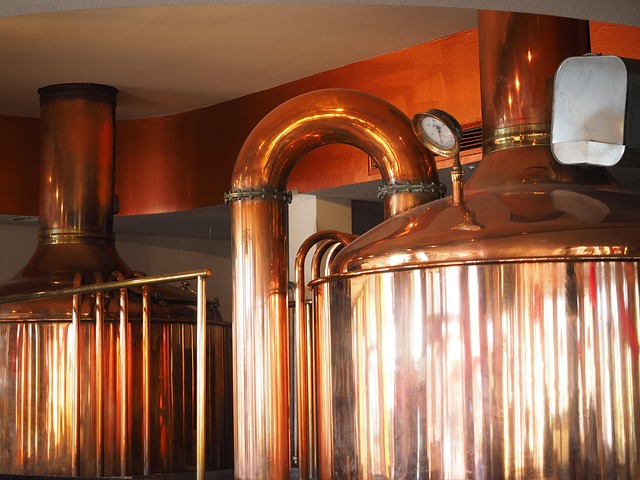
The Nature of Scaling in High-Demand Environments
Continuous operation means feedwater minerals—primarily calcium and magnesium—constantly circulate through the system. When heated beyond solubility limits, these minerals form hard deposits on heat transfer surfaces. Over time, the layer acts as insulation, reducing thermal conductivity and forcing boilers to burn more fuel for the same output. In high-end resorts where water temperature consistency is critical for guest satisfaction, this becomes a costly problem. Many facilities report that scaling can increase energy consumption by 10–15% if left untreated.
Operational Impact of Scale Formation
Scale buildup affects both short-term efficiency and long-term reliability. As deposits accumulate on heating surfaces or within tubes, water flow is restricted and pressure imbalances occur. Maintenance teams often need to perform acid cleaning or mechanical descaling more frequently, increasing downtime. In addition to higher fuel use, reduced heat exchange efficiency can lead to inconsistent hot water delivery—a direct hit to guest comfort levels. Over years of operation, chronic scaling weakens metal components and accelerates corrosion risk, shortening boiler lifespan and complicating safety compliance audits required under ISO 16528 standards for pressure equipment.
Modern Innovations in Boiler Treatment Technologies
To counter persistent scaling issues, the industry has shifted from purely chemical solutions toward integrated treatment strategies combining chemistry with automation and non-chemical technologies.
Advances in Chemical Treatment Formulations
Modern boiler treatment blends now include polymer dispersants that keep hardness ions suspended rather than allowing them to crystallize on surfaces. Chelating agents like EDTA or citric-based compounds bind with calcium and magnesium ions more effectively at variable pH ranges common in resort operations. These formulations are also designed for environmental compliance by reducing phosphate discharge into wastewater streams—critical for resorts located near coastal or protected ecosystems. Smart dosing pumps connected to conductivity sensors automatically adjust chemical feed rates based on real-time water conditions, minimizing waste while maintaining protection.
Non-Chemical Water Treatment Alternatives
Physical conditioning technologies are gaining traction as complementary tools. Electromagnetic and ultrasonic systems alter crystal growth patterns so that scale forms as loose powder instead of hard deposits. Membrane filtration units such as reverse osmosis remove hardness before feedwater enters the boiler loop entirely. Some resorts adopt hybrid setups: pre-filtration combined with low-level chemical dosing for redundancy during peak occupancy periods when water demand spikes unpredictably.
Evaluating the Effectiveness of Innovative Treatments in Resort Applications
For engineers managing resort infrastructure, evaluating new treatment options requires measurable performance indicators rather than anecdotal evidence.
Performance Metrics for Scaling Reduction
Key metrics include total dissolved solids (TDS), conductivity readings, and differential temperature across heat exchangers. Lower TDS values correlate directly with reduced scaling potential. Monitoring changes in heat transfer coefficients provides insight into how efficiently energy moves from combustion gases into water or steam. Periodic tube inspections using borescopes verify deposit thickness trends over time—data that helps confirm whether treatment programs are working as intended.
Comparative Analysis Between Traditional and Innovative Methods
Traditional phosphate-based programs remain effective but come with recurring chemical costs and manual oversight requirements. In contrast, automated polymer-based systems reduce human error by self-regulating dosage through feedback loops tied to sensor data. Resorts adopting these newer systems report up to 30% lower chemical consumption within a year of implementation. Beyond cost savings, consistent scale prevention stabilizes system load response during fluctuating occupancy levels—a major advantage for hospitality operations where demand can vary daily.
Integrating Smart Monitoring Systems with Boiler Treatment Programs
Digital transformation has reached boiler rooms too. Smart monitoring platforms now play a pivotal role in predictive maintenance and resource optimization within resort energy management frameworks.
Role of Digital Sensors and IoT Platforms in Scale Management
IoT-enabled sensors continuously collect data on temperature gradients, pressure differentials, pH levels, and conductivity across multiple points in the system. This allows engineers to detect early signs of fouling before performance drops noticeably. Automated alerts trigger maintenance actions or adjust dosing parameters remotely through cloud-connected controllers integrated with building management systems (BMS). For multi-property operators, centralized dashboards make it possible to oversee all resort boilers from one control center.
Data Analytics for Continuous Optimization
Data analytics tools analyze historical trends between feedwater quality fluctuations and scaling events. Predictive models then forecast when intervention will be needed—reducing unplanned downtime during high-occupancy seasons. Cloud-based dashboards visualize these correlations clearly enough that even non-technical facility managers can interpret them quickly during audits or sustainability reporting reviews.
Economic and Environmental Implications of Adopting Advanced Treatments
Beyond technical gains, modern boiler treatment strategies carry tangible economic benefits while aligning with corporate sustainability goals increasingly emphasized across global hospitality brands.
Cost Efficiency Through Resource Optimization
Improved heat transfer efficiency translates directly into fuel savings; even a 1 mm layer of scale can raise fuel use by nearly 7%. By keeping surfaces clean through continuous conditioning rather than reactive cleaning cycles, resorts cut both energy bills and labor hours spent on maintenance shutdowns. Reduced chemical procurement lowers inventory storage needs—a small but meaningful operational simplification—and extending equipment life defers capital expenditure for replacements often exceeding six figures per unit.
Sustainability Benefits for the Hospitality Industry
Sustainability departments value these upgrades not just for cost reduction but also for environmental stewardship metrics used in ESG reporting frameworks such as GRI Standards or IEA benchmarking studies on industrial efficiency improvements. Lower chemical discharge supports local wastewater compliance requirements while improved thermal efficiency reduces carbon intensity per occupied room night—a figure many hotel chains now disclose publicly as part of their sustainability reports. Guests increasingly notice such efforts; promoting responsible water management enhances brand reputation among eco-conscious travelers seeking greener stays.
FAQ
Q1: What causes scaling in resort boiler systems?
A: Scaling occurs when dissolved minerals like calcium and magnesium precipitate out of heated water and adhere to metal surfaces inside boilers or heat exchangers.
Q2: How do modern boiler treatments reduce chemical costs?
A: Advanced formulations use polymers and chelating agents that require smaller doses while maintaining effectiveness; automation further prevents overfeeding chemicals.
Q3: Are non-chemical treatments effective alone?
A: They work best as part of hybrid systems combining physical conditioning with minimal chemical support to handle varying water hardness levels typical in resort operations.
Q4: What role does IoT play in scale prevention?
A: IoT sensors provide real-time monitoring of key parameters like conductivity and temperature differentials, enabling predictive adjustments before major fouling occurs.
Q5: How do these innovations support sustainability goals?
A: They reduce fuel use, minimize wastewater contamination from chemicals, extend equipment life cycles, and help resorts meet corporate carbon reduction targets aligned with international standards such as ISO 14001 on environmental management systems.