
Can PAM Chemical for Water Treatment Enhance Microplastics Removal Efficiency
Key Takeaways
- Understand the main symptoms and warning signs.
- Review common risks and prevention options.
- Learn when to seek professional medical advice.
Microplastics and Nanoplastics in Water: Improving Removal in Wastewater Treatment Plants With Alternative Coagulants
Microplastics and nanoplastics are now recognized as persistent contaminants that slip through conventional wastewater treatment processes. Their removal efficiency depends heavily on the type of coagulant used. Among emerging solutions, the use of PAM chemical for water treatment—polyacrylamide-based polymers—has shown promise due to their strong flocculation performance and adaptability across diverse water chemistries. Advanced polymer systems, especially when combined with metal salts or natural coagulants, can significantly enhance solid–liquid separation and microplastic capture. The following sections examine how PAM functions, its role in addressing microplastic challenges, and the evolving analytical methods guiding its optimization.
Understanding the Role of PAM Chemical in Water Treatment
The application of polyacrylamide (PAM) in water treatment has become central to achieving high clarity and efficient sedimentation. Its structural versatility allows it to interact with a wide range of suspended solids, including microplastics.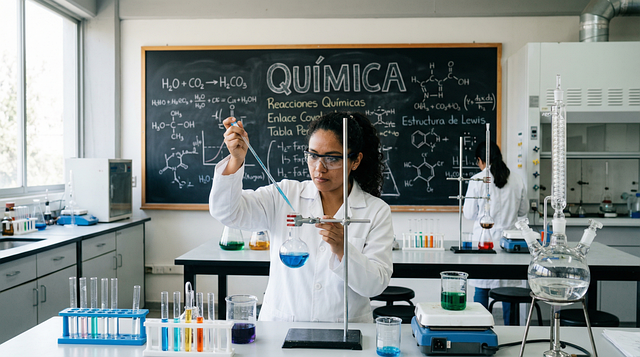
Composition and Characteristics of PAM (Polyacrylamide)
Polyacrylamide is a synthetic polymer designed primarily as a flocculant for water and wastewater treatment. Its performance depends on molecular weight, charge density, and configuration. Variants such as anionic PAM are often used for negatively charged colloids, cationic PAM suits organic-rich waters, while nonionic types perform well under neutral conditions. The polymer’s chain length determines its bridging potential—longer chains create stronger flocs but may increase viscosity.
Mechanisms of PAM in Coagulation–Flocculation Processes
In coagulation–flocculation, PAM enhances particle aggregation through both charge neutralization and polymer bridging. When added to water, it adsorbs onto particle surfaces, reducing electrostatic repulsion. The long molecular chains then link multiple particles together into dense flocs that settle faster during clarification. When combined with inorganic coagulants like aluminum or ferric salts, PAM acts synergistically to improve solid–liquid separation by stabilizing floc structure.
Microplastics and Nanoplastics Challenges in Wastewater Treatment
Traditional wastewater systems were not designed for removing microscopic plastic fragments. Their small size and hydrophobic nature make them resistant to standard settling or filtration steps.
Sources and Characteristics of Microplastics in Wastewater Streams
Microplastics enter wastewater from household products such as personal care items, laundry fibers from synthetic textiles, tire wear particles, and industrial effluents. These particles are typically less than 5 mm in diameter but vary widely in shape—from spheres to irregular shards—and density depending on their polymer type. Their hydrophobic surfaces attract organic pollutants and biofilms, complicating removal by conventional means.
Limitations of Conventional Coagulants for Microplastic Removal
Common coagulants such as alum or ferric chloride have limited interaction with hydrophobic materials like polyethylene or polypropylene. Electrostatic repulsion between negatively charged microplastic surfaces and inorganic coagulant species restricts aggregation efficiency. Increasing chemical dosage can raise sludge volume without achieving better removal rates—a costly tradeoff that also increases disposal burdens.
Evaluating PAM’s Potential for Enhancing Microplastic Removal Efficiency
The ability of PAM chemical for water treatment to bind fine suspended solids suggests it could play a key role in microplastic mitigation when properly formulated.
Interaction Mechanisms Between PAM and Microplastic Particles
Charged PAM molecules interact electrostatically with oppositely charged sites on microplastic surfaces, promoting aggregation into larger clusters. Polymer bridging occurs when long chains attach simultaneously to several particles, forming composite flocs that include both organic matter and plastic fragments. This process can modify particle buoyancy; some plastics that would otherwise float may settle after coating with heavier floc material.
Influence of Operational Parameters on Removal Performance
The pH strongly affects PAM ionization state—cationic forms perform best at neutral to slightly alkaline conditions where surface charge interactions are maximized. Overdosing can lead to restabilization because excess unbound polymer reverses surface charges or increases solution viscosity. Mixing intensity must be optimized: gentle agitation encourages collisions without breaking fragile flocs; too vigorous mixing disperses them again.
Comparing PAM With Alternative or Hybrid Coagulant Systems
While synthetic polymers like PAM deliver excellent performance, combining them with other agents can further refine outcomes or address environmental concerns.
Synergistic Effects of Combining PAM With Metal Salts or Natural Polymers
Dual-coagulant systems leverage the rapid charge neutralization offered by metal salts alongside the bridging capacity of polymers. For example, adding small doses of aluminum sulfate before an anionic PAM improves microplastic capture by creating mixed-metal-polymer complexes that trap hydrophobic particles more effectively. Natural polymers such as chitosan have gained attention as biodegradable partners offering similar binding properties but reduced residual toxicity risks.
Environmental Considerations in Using Synthetic Polymers for Water Treatment
Residual acrylamide monomers present potential toxicity if not fully polymerized during production or if they leach from treated sludge. Sludge containing polymer-bound microplastics requires careful management since improper disposal could reintroduce contaminants into aquatic systems. Life-cycle assessment tools increasingly help utilities compare synthetic versus natural coagulants based on energy use, carbon footprint, and end-of-life impacts rather than just immediate performance metrics.
Advancements in Analytical Techniques for Assessing Microplastic Removal Efficiency
Accurate measurement methods are essential for evaluating how well different coagulant strategies perform against microscopic pollutants.
Quantification Methods for Microplastics in Treated Effluents
Fourier-transform infrared (FTIR) spectroscopy and Raman microscopy remain standard techniques for identifying polymer types after treatment because they provide distinct spectral fingerprints for each plastic resin. Microscopic imaging enables analysis of size distribution shifts following coagulation–flocculation steps—smaller fragments tend to aggregate into measurable clusters when effective polymers are applied. Automated particle counters now allow continuous monitoring at lower concentration levels than manual observation previously permitted.
Monitoring Polymer Residues and Byproducts in Treated Water
Chromatographic methods such as high-performance liquid chromatography (HPLC) quantify residual polyacrylamide concentrations to confirm compliance with regulatory limits set by agencies like ISO 16075 standards on reuse water quality. Degradation studies assess how long polymer fragments persist under sunlight or microbial exposure; these insights guide decisions about acceptable discharge thresholds. Integrating these data streams supports real-time process control where dosing adjustments respond directly to measured outcomes rather than fixed recipes.
Future Perspectives on Polymer-Based Coagulation Strategies for Microplastic Control
Emerging research points toward smarter polymers capable of selective binding or adaptive behavior under changing conditions inside treatment plants.
Development of Functionalized Polymers for Targeted Particle Capture
Functionalization allows tailoring specific chemical groups along the polymer chain—for instance amine groups targeting oxidized plastics—to enhance affinity toward certain contaminants while minimizing overall dosage requirements. Smart polymers responsive to temperature or pH could shift conformation dynamically within reactors, adapting their flocculation behavior as water chemistry changes throughout daily operation cycles.
Integration Into Advanced Wastewater Treatment Frameworks
Combining polymer-based coagulation with downstream membrane filtration or advanced oxidation processes creates multi-barrier systems capable of nearly complete microplastic removal even at trace concentrations below detection limits a decade ago. Process modeling tools now simulate floc growth kinetics under various shear conditions helping engineers scale laboratory findings efficiently into full-scale municipal installations without losing performance consistency across seasons or influent variability.
FAQ
Q1: What makes PAM chemical effective for water treatment?
A: Its long-chain molecular structure promotes bridging between suspended particles leading to rapid settling during clarification stages.
Q2: Can polyacrylamide remove nanoplastics as well as microplastics?
A: Yes, though efficiency declines with decreasing particle size; combining it with metal salts enhances capture at nanoscale levels.
Q3: Are there environmental risks from using synthetic polymers like PAM?
A: Unreacted acrylamide monomers pose toxicity concerns; proper formulation control minimizes this risk while responsible sludge management prevents secondary pollution.
Q4: How do hybrid coagulant systems improve performance?
A: They merge fast charge neutralization from inorganic salts with strong bridging from polymers producing denser flocs that settle faster under typical plant conditions.
Q5: What analytical tools verify successful microplastic removal?
A: FTIR spectroscopy identifies plastic types post-treatment while chromatographic tests measure residual polymer ensuring treated effluent meets safety standards.