Can Sodium Hydroxide Wastewater Treatment Benefit from Bipolar Electrodialysis in Aluminum Finishing
Key Takeaways
- Understand the main symptoms and warning signs.
- Review common risks and prevention options.
- Learn when to seek professional medical advice.
Using Bipolar Electrodialysis to Recover Sodium Hydroxide from Black Liquor Generated During Aluminum Finishing
In aluminum finishing, sodium hydroxide (NaOH) plays a critical role in surface treatment but also generates highly alkaline wastewater known as black liquor. Conventional neutralization methods waste valuable NaOH and create large volumes of sludge. Bipolar electrodialysis (BMED) offers a more sustainable route by separating ions under an electric field to regenerate high-purity NaOH and acid streams directly from the waste. This approach reduces chemical consumption, minimizes waste, and supports closed-loop recycling within metal finishing plants.
Overview of Sodium Hydroxide Wastewater in Aluminum Finishing
Sodium hydroxide wastewater from aluminum finishing is complex both chemically and physically. It originates mainly from etching, anodizing, and cleaning operations where NaOH dissolves aluminum oxides and contaminants. Understanding its composition is key to designing effective recovery systems.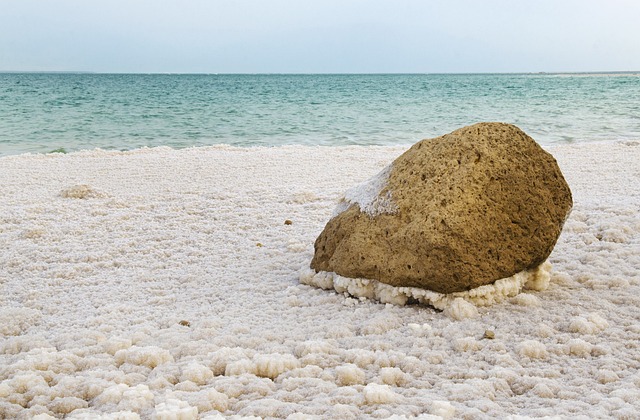
Characteristics of Sodium Hydroxide Wastewater from Aluminum Processes
During etching, the reaction between sodium hydroxide and aluminum produces sodium aluminate and hydrogen gas. The resulting effluent contains dissolved aluminum ions, suspended solids, organic residues from degreasing agents, and high alkalinity levels often exceeding pH 13. The variability in concentration makes direct reuse impractical without purification. Conventional precipitation or neutralization methods struggle with such streams because they form gelatinous aluminum hydroxides that clog filters and reduce process efficiency.
Environmental and Economic Implications of Sodium Hydroxide Disposal
Discharging high-pH wastewater poses serious environmental risks. Regulations typically require neutralization before release, which consumes acids such as sulfuric or hydrochloric acid. This not only increases operating costs but also destroys recoverable NaOH value. For large-scale anodizing plants processing several thousand liters per day, the cost of lost caustic soda can be significant. Additionally, tightening discharge limits push industries toward resource recovery models consistent with circular economy principles promoted by international environmental agencies.
Principles of Bipolar Electrodialysis (BMED) Technology
BMED technology provides an electrochemical solution to recover acids and bases from salt-containing wastewaters without adding external reagents. Its efficiency depends on the membrane structure and ion migration mechanism under direct current.
Structure and Function of Bipolar Membranes
A bipolar membrane consists of two functional layers: a cation exchange layer that allows positive ions to pass and an anion exchange layer that permits negative ions. At their interface, water molecules split into hydrogen (H⁺) and hydroxide (OH⁻) ions when exposed to an electric field. This reaction enables simultaneous acid formation on one side and base regeneration on the other. Unlike traditional electrolysis, BMED avoids gas evolution at electrodes, making it safer for continuous industrial operation.
Mechanism of Ion Separation in BMED Systems
Inside a BMED stack, alternating cation-exchange membranes (CEM), anion-exchange membranes (AEM), and bipolar membranes create repeating cells for selective ion transport. Under applied voltage, cations like Na⁺ migrate toward the cathode through CEMs while anions such as AlO₂⁻ move toward the anode through AEMs. The bipolar membrane splits water into H⁺ and OH⁻ ions that combine with these migrating species to produce acid (e.g., HAlO₂) and base (NaOH). The process effectively converts sodium salts into reusable reagents without generating secondary waste streams.
Integration of BMED in Sodium Hydroxide Wastewater Treatment
Integrating BMED into aluminum finishing lines transforms waste management into resource recovery. The system can be configured as a side-stream process linked directly to etching baths or centralized wastewater treatment units.
Process Flow for Treating Aluminum Finishing Effluent with BMED
The feed stream containing sodium aluminate enters the electrodialysis stack after coarse filtration to remove particulates. Within the stack, sodium ions are directed toward the base compartment where they react with OH⁻ generated by water splitting to form NaOH solution suitable for reuse in etching tanks. Simultaneously, acidic species accumulate in another compartment forming aluminum-containing acids useful for pH control or anodizing bath adjustment. This closed-loop design reduces chemical purchases while maintaining consistent bath chemistry.
Operational Parameters Affecting Performance Efficiency
The performance of BMED depends heavily on electrical settings, membrane layout, and flow conditions.
Electrical Current Density and Voltage Control
Current density determines how fast ions migrate across membranes but also influences energy consumption per mole of product generated. Too high a current may cause overheating or scaling; too low slows recovery rates. Industrial trials show optimal operation around 100–200 A/m² depending on feed concentration to balance efficiency with membrane durability.
Membrane Configuration and Stack Design
Multi-cell stacks increase throughput while keeping separation selectivity stable. Uniform flow distribution across channels prevents concentration polarization where stagnant zones limit ion transport. Some facilities use turbulence promoters or periodic polarity reversal to minimize fouling layers on membrane surfaces.
Comparative Evaluation with Conventional Treatment Methods
Traditional neutralization remains common due to simplicity but fails to capture chemical value from alkaline wastes. Comparing both approaches highlights why electrochemical recovery is gaining traction in advanced manufacturing sectors.
Limitations of Neutralization and Chemical Precipitation Approaches
Neutralization converts strong bases into salts using acids but produces large volumes of sludge composed mainly of aluminum hydroxides requiring landfill disposal or further dewatering. These methods do not regenerate usable chemicals; instead they consume additional reagents increasing carbon footprint across supply chains.
Advantages Offered by Bipolar Electrodialysis Systems
BMED systems enable direct recycling of sodium hydroxide back into production lines reducing demand for virgin caustic soda by up to 80% in some pilot studies. They generate minimal secondary waste since no stoichiometric neutralization occurs. Moreover, the acid stream produced can serve internal needs such as anodizing bath maintenance or desmutting operations enhancing overall plant integration potential.
Technical Challenges in Implementing BMED for Industrial Application
Despite its promise, deploying BMED at scale presents technical hurdles related to fouling control and energy management that must be addressed for long-term reliability.
Membrane Fouling and Scaling Issues in Alkaline Streams
High concentrations of dissolved aluminum can precipitate as Al(OH)₃ within membrane pores especially when local pH shifts occur near interfaces. This reduces conductivity and increases resistance over time. Installing pre-filtration units like microfilters or ultrafilters helps remove colloidal material before entering the electrodialysis unit. Periodic chemical cleaning using mild acids restores performance though excessive cleaning may shorten membrane life.
Energy Consumption and System Optimization Strategies
Energy usage depends on feed conductivity, current density, temperature, and stack resistance. Integrating smart power control systems allows dynamic adjustment based on real-time voltage response minimizing wasted electricity during low-load periods. Some modern installations couple BMED modules with renewable sources like solar photovoltaics or use heat recovery loops from anodizing baths improving sustainability metrics measured under ISO 14001 frameworks.
Prospects for Resource Recovery and Circular Economy Integration in Aluminum Finishing Plants
BMED fits naturally within circular economy strategies emphasizing reuse rather than disposal of process chemicals.
Reuse Potential of Recovered Sodium Hydroxide
Recovered NaOH typically achieves purity above 95% when proper separation conditions are maintained allowing direct return to etching baths without affecting surface finish quality or corrosion behavior of treated parts. Continuous monitoring ensures stable concentration profiles preventing over-etching issues seen with inconsistent reagent strength.
Synergies with Other Electrochemical Recovery Technologies
Combining BMED with processes like electrowinning enables simultaneous metal recovery alongside reagent regeneration creating nearly zero-liquid-discharge systems favored under emerging environmental regulations such as those aligned with European REACH standards. Hybrid configurations also reduce total footprint compared with standalone units making them attractive for compact urban manufacturing sites where space is limited yet compliance demands remain strict.
FAQ
Q1: What makes bipolar electrodialysis different from conventional electrodialysis?
A: Bipolar electrodialysis includes special membranes that split water into hydrogen and hydroxide ions enabling direct acid–base generation rather than simple salt separation.
Q2: Can recovered NaOH replace all fresh caustic soda used in aluminum finishing?
A: In most cases it can replace a major portion—typically between 60% and 90%—depending on purity targets and process stability requirements.
Q3: How often do membranes need replacement in industrial BMED systems?
A: Lifespan varies between two to five years depending on feed quality maintenance routines and cleaning frequency though newer materials extend this further.
Q4: Does BMED require hazardous chemicals for operation?
A: No external acids or bases are required since H⁺ and OH⁻ are generated internally through water dissociation making it inherently safer than chemical neutralization setups.
Q5: What are the main cost drivers when adopting BMED technology?
A: Capital cost for membranes power supply units energy consumption during operation plus periodic maintenance represent primary expenses offset by savings from reduced chemical purchases over time.