Can PAM Water Treatment Enhance Oil Extraction Wastewater Purification Efficiency
Key Takeaways
- Understand the main symptoms and warning signs.
- Review common risks and prevention options.
- Learn when to seek professional medical advice.
Study on Treatment of Oil Extraction Wastewater by Grounding Electrode Atomization Corona Discharge Coupling Flocculant
Oil extraction wastewater is notoriously difficult to purify due to its complex composition and high stability of emulsions. The integration of PAM water treatment with grounding electrode atomization corona discharge technology offers a promising pathway for enhanced purification. This combined method leverages both physicochemical flocculation and advanced oxidation processes to reduce chemical oxygen demand (COD), suspended solids, and oil content efficiently. By optimizing operational parameters such as voltage, flow rate, and polymer dosage, the system achieves high treatment efficiency while minimizing secondary pollution.
Overview of PAM Water Treatment in Oil Extraction Wastewater Purification
The treatment of oil extraction wastewater requires an accurate grasp of its chemical and physical properties before selecting appropriate purification technologies.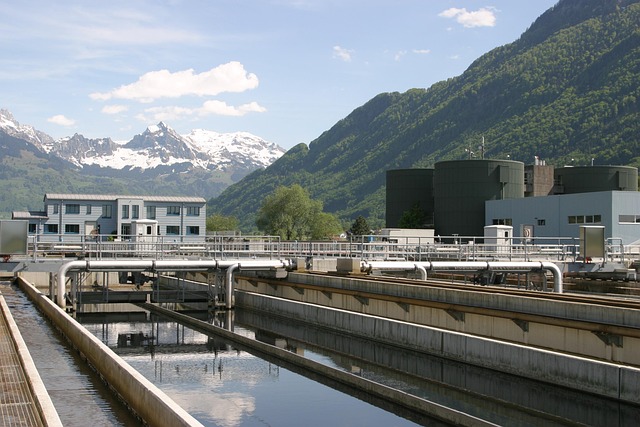
Characteristics of Oil Extraction Wastewater
Oil extraction wastewater typically contains a mixture of dispersed oil droplets, suspended solids, and high levels of organic matter. These components often form stable emulsions that resist conventional separation methods. The presence of surfactants from drilling fluids further stabilizes the colloidal particles, complicating purification. Moreover, the quality and composition of this wastewater vary significantly depending on the crude oil type and extraction process used, making standardization difficult across facilities.
The Role of Polyacrylamide (PAM) in Industrial Water Treatment
Polyacrylamide (PAM) serves as a widely used flocculant in industrial water treatment due to its excellent ability to aggregate fine particles into larger flocs that can be easily separated. Its long-chain molecular structure provides both charge neutralization and bridging effects, allowing it to bind particles effectively under different conditions. PAM is available in cationic, anionic, and nonionic forms, each suited for specific wastewater characteristics—anionic types perform well with positively charged particles, while cationic types are effective for negatively charged colloids.
Mechanisms of PAM-Assisted Flocculation in Oil Extraction Wastewater
The success of PAM water treatment depends on how polymer molecules interact with pollutants under varying environmental conditions.
Interaction Between PAM and Pollutant Particles
When introduced into oily wastewater, PAM molecules adsorb onto particle surfaces through electrostatic attraction or hydrogen bonding. This adsorption promotes bridging flocculation where multiple particles are connected by polymer chains to form larger aggregates that settle faster under gravity. However, excessive dosage can lead to particle restabilization or increased polymer residue in effluent; thus, determining the optimal concentration is crucial for efficiency and cost control.
Influence of Environmental Parameters on PAM Efficiency
Environmental factors significantly affect PAM’s performance. pH influences the ionization degree of functional groups on both PAM and suspended particles, modifying their interaction potential. Temperature changes alter solution viscosity and reaction kinetics during flocculation—higher temperatures generally enhance molecular movement but may reduce viscosity excessively. Additionally, ionic strength impacts emulsion stability; high salinity compresses electrical double layers around droplets, facilitating coalescence when combined with flocculants.
Coupling PAM with Grounding Electrode Atomization Corona Discharge Technology
Combining corona discharge oxidation with PAM flocculation introduces synergistic effects that exceed the capabilities of either method alone.
Principles of Corona Discharge Treatment for Wastewater
Corona discharge operates by applying high voltage across electrodes in air or gas environments to generate reactive species such as ozone (O₃), hydroxyl radicals (•OH), and various ions. These oxidants degrade complex organic compounds into smaller molecules that are more biodegradable or easier to remove physically. Atomization enhances this process by dispersing wastewater into fine droplets, increasing surface contact between reactive species and pollutants for improved oxidation efficiency.
Synergistic Effects Between Corona Discharge and PAM Flocculation
The oxidative pre-treatment from corona discharge modifies the surface properties of oil droplets and organic contaminants. Reactive species partially oxidize hydrophobic compounds, making them more hydrophilic and accessible for polymer adsorption. This pre-conditioning step enhances subsequent floc formation when PAM is added. Together, these processes yield significant improvements in COD reduction, turbidity removal, and total oil elimination compared with standalone treatments.
Optimization Strategies for Enhanced Purification Efficiency
Process optimization ensures consistent performance while reducing operational costs in large-scale applications.
Determining Optimal Process Parameters
Key Variables to Control: Voltage, Flow Rate, and PAM Concentration
The discharge voltage directly affects the generation rate of reactive radicals; too low yields insufficient oxidation while excessive voltage increases energy consumption without proportional benefits. Atomization flow rate governs droplet size distribution—smaller droplets improve contact efficiency but may increase mist losses if uncontrolled. Similarly, precise adjustment of PAM concentration balances coagulation effectiveness against potential secondary pollution from residual polymers.
Sequential Treatment Configuration Design
Integration Sequence Between Oxidation and Flocculation Stages
The configuration sequence between oxidation and flocculation stages influences overall performance. Pre-flocculation followed by oxidation can reduce organic loading early in the process but may limit radical accessibility due to dense flocs shielding inner contaminants. Conversely, applying oxidation first breaks down emulsions and partially degrades organics before polymer addition, resulting in more efficient final polishing suitable for discharge or reuse standards.
Evaluation Metrics for Process Performance Assessment
Quantitative evaluation metrics provide insight into system reliability over continuous operation periods.
Analytical Indicators for Treatment Efficiency Evaluation
Key indicators include Chemical Oxygen Demand (COD) reduction as a measure of organic degradation extent; Suspended Solids (SS) removal percentage reflecting physical separation success; and oil content analysis indicating emulsion breakdown effectiveness. Consistent monitoring enables operators to identify performance drifts caused by feed variability or equipment fouling.
Monitoring Polymer Residues and Byproduct Formation
Residual PAM concentration must be assessed regularly since unreacted polymers can pose ecological risks downstream. Advanced analytical techniques like gel permeation chromatography help quantify remaining polymers accurately. Additionally, identifying oxidation byproducts—such as aldehydes or short-chain acids—is essential for evaluating secondary pollution risks associated with corona discharge processes.
Future Perspectives on Advanced Coupled Treatment Systems
Emerging research explores new directions to enhance sustainability and scalability in coupled systems combining PAM water treatment with advanced oxidation technologies.
Integration with Emerging Water Treatment Technologies
Integration with membrane filtration or electrocoagulation systems could further refine selectivity by separating microemulsions that resist traditional methods. The incorporation of nanomaterials such as TiO₂ or graphene-based catalysts may boost corona discharge reactivity through improved electron transfer dynamics during pollutant degradation reactions.
Sustainability Considerations in Large-scale Implementation
For industrial adoption, energy consumption must be balanced against pollutant removal gains. Evaluations should include life-cycle assessments comparing electricity use per cubic meter treated versus achieved COD reduction rates. Research into biodegradable or low-toxicity alternatives to synthetic polyacrylamides is gaining traction as industries aim to minimize long-term environmental footprints without sacrificing efficiency.
FAQ
Q1: What makes oil extraction wastewater difficult to treat?
A: It contains stable emulsions formed by oil droplets, surfactants, suspended solids, and organic matter that resist conventional separation methods.
Q2: How does PAM enhance wastewater purification?
A: PAM acts as a flocculant that aggregates fine particles through charge neutralization and bridging effects, forming large flocs that settle rapidly.
Q3: Why combine corona discharge technology with PAM?
A: The oxidative action from corona discharge breaks down complex organics and destabilizes emulsions, improving subsequent polymer adsorption during flocculation.
Q4: What parameters are critical for optimizing this coupled process?
A: Voltage intensity for radical generation, atomization flow rate controlling droplet size distribution, and precise dosing of PAM concentration are key variables.
Q5: Are there sustainable alternatives to synthetic polyacrylamides?
A: Yes. Research focuses on developing biodegradable natural polymers derived from starches or cellulose that provide comparable flocculating performance with lower toxicity risks.