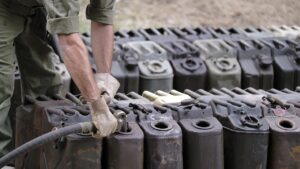
Can Fuel Biocide Stop Diesel Bugs Before They Ruin Your Tank?
Key Takeaways
- Understand the main symptoms and warning signs.
- Review common risks and prevention options.
- Learn when to seek professional medical advice.
A sound fuel biocide program starts before filters plug, engines run rough, or tank bottoms build black sludge. If your business buys, stores, blends, or distributes diesel, marine fuel, heating oil, or similar middle distillates, microbial growth is a normal storage risk, not a rare lab problem. It usually links back to water, warm tank bottoms, slow turnover, and weak tank housekeeping. For broader chemical options in this field, you can also visit the Biocide category.
This guide explains how fuel biocide works, when it is worth using, and what buyers should check before placing an order. The aim is simple: fewer blocked filters, cleaner tanks, less downtime, and safer fuel handling. Public guidance from ASTM, EPA, EIA, CRC, and IATA is used as background where it is available.
What Is a Fuel Biocide and Why Does Stored Fuel Need It?
Fuel may look like a tough place for life, but microbes can still survive in fuel systems. They normally do not grow well in dry fuel. The problem starts where free water touches fuel, mainly in warm tanks with slow turnover. That thin layer can turn into a wet home for growth, and over time it may create slime, acids, bad odor, corrosion risk, and debris that blocks filters.
Microbes Grow Where Fuel Meets Water
Diesel bugs is the common name many mechanics and tank operators use for bacteria, yeasts, and fungi found in contaminated fuel systems. The name sounds simple, but the damage can be costly. The CRC Diesel Fuel Storage and Handling Guide lists algae, bacteria, and fungi as contaminants linked with slime, bad smells, and water in tank bottoms. It also points to warm conditions, long storage, and poor tank care as common causes. (ptacts.uspto.gov)
Biocide Kills or Suppresses the Active Biomass
A fuel biocide is added to kill or control active microbial growth in the fuel system. It is not just another fuel additive with a broad sales claim. In the United States, the EPA describes antimicrobial pesticides as products used to destroy or suppress harmful microorganisms on inanimate objects, surfaces, materials, and industrial systems. The EPA also says more than 4,000 antimicrobial products are registered, which shows this is a regulated product group, not a casual add-on market. (epa.gov)
It Supports, Not Replaces, Housekeeping
Biocide is not a shortcut for a dirty tank. If a tank has inches of water, heavy sludge, and blocked vents, chemical treatment alone will not give a good result. A workable plan combines water removal, tank inspection, filtration, and controlled dosing. This matters in real storage yards, where one ignored day tank can move dirty fuel into several machines or a whole fuel line.
When Should You Treat Diesel with Fuel Biocide?
The right timing depends on symptoms, storage time, test results, and the risk level of the equipment. Treating too late can leave you with stopped engines or a tank-cleaning job. Treating too often wastes money and may go against label limits. A sensible fuel manager uses both site checks and testing instead of guessing.
After Water or Sludge Appears
If you drain water and see black slime, brown strings, sour odor, or soft organic debris, microbial contamination is already likely. At that point, changing the filter and waiting is not enough. New filters can plug again within hours if live growth is still in the tank. In that case, a shock dose, tank cleaning, and water removal may all be needed.
Before Long Storage or Seasonal Shutdown
Long storage raises risk because fuel turnover slows down and water has more time to settle. Backup generators, marine tanks, farm tanks, construction equipment, and seasonal heating fuel systems often face this pattern. A preventive dose may be useful when fuel will sit for months. Still, the product label must allow that use, and the tank should be reasonably clean before treatment.
After Fuel Polishing Finds Live Growth
Fuel polishing can remove water and solids, but it may not kill organisms hiding in tank seams, low spots, or biofilm. If testing still shows live growth after polishing, a compatible biocide treatment may be the step that was missed. Many maintenance teams only find this out after the second or third filter change. It is an irritating lesson, but it is common in stored diesel work.
How Do You Choose the Right Fuel Biocide for Your System?
Choosing fuel biocide is not only about price per liter. Buyers need the right active chemistry, registration status, fuel compatibility, handling profile, and dosing instructions. A cheaper drum can cost more later if it is wrong for the fuel, not approved for the market, or poorly mixed into the tank.
Match the Active Chemistry to the Fuel
Different products use different active ingredients. Some are used in diesel and heating oil, while some may be used in aviation-related settings only under strict aircraft and fuel-system rules. Some products work better in water bottoms, and others partition into both fuel and water phases. Before buying, ask for the technical data sheet, safety data sheet, and approved use sites.
Check Registration and Local Rules
Fuel biocide is normally treated as an antimicrobial product, so legal status matters. In the U.S. market, registration and label wording are key points. In the EU, UK, Middle East, Africa, and Asia, rules may change by active substance and end use. For export sales, check the destination country before shipping, especially for marine, mining, and power-generation users.
Ask for Compatibility Details
Compatibility is more than the fuel name on the tank. Ask whether the product fits ultra-low sulfur diesel, biodiesel blends, marine gas oil, storage tank coatings, elastomers, filters, water separators, and downstream additive packages. If the customer uses B20, for example, water management becomes more important. Biodiesel blends can hold more water than straight petroleum diesel, so the tank may need closer checks.
What Dose and Contact Time Make Treatment Work?
Dosing is where many field failures happen. Too little product may not control growth. Too much may break label rules, raise cost, or create handling problems. A fuel biocide should be handled as a controlled chemical, not as a casual fuel improver.
Start With Label Directions
The label is the first source for dose, use site, safety gear, and restrictions. A typical product may list a maintenance dose and a shock dose, but exact numbers change by active ingredient and registration. Do not copy a dose from another tank unless the fuel type, contamination level, and product are the same. Even then, read the label again before dosing.
Mix Through the Whole Fuel Volume
Poor mixing leaves untreated pockets in the tank. Add biocide during fuel transfer when possible, or circulate the tank if the system allows it. For a vertical tank, dose into the incoming fuel stream instead of pouring product into one quiet corner. In a 50,000-liter tank, a small mixing error is no longer small.
Let Dead Biomass Settle Before Heavy Use
When biocide works, microbes die. That dead biomass can still block filters if it is not removed. After shock treatment, plan for filtration, water draining, and possibly extra filter elements. This is not a sign that the treatment failed; it is part of the cleanup. For critical backup power, test and polish before the next storm season, not during it.
How Can You Keep Microbes From Coming Back?
Fuel biocide can solve an active microbial problem, but repeat growth usually points to moisture. If water keeps getting in, microbes get another chance. Prevention is mostly plain tank work: drain, inspect, seal, test, and keep records. That work is not exciting, but it helps engines start when needed. See also: Flocculants.
Drain Water on a Written Schedule
Free water is the main warning sign in stored fuel. Drain low points, sumps, and tank bottoms on a written schedule, then record what comes out. Clear water, rusty water, black sludge, and fuel-water emulsion each tell a different story. The ASTM D6469 guide covers microbial contamination in fuels and fuel systems, including diesel, aviation, marine, furnace, and industrial fuels, which shows how broad this issue is across stored fuels. (store.astm.org)
Keep Tanks Dry and Tight
Rainwater can enter through loose caps, cracked gaskets, bad vents, poor fill covers, and careless loading. Condensation also builds when tanks breathe during daily temperature changes. A dry tank should have working vents, good seals, sloped bottoms where possible, and clear access for inspection. Small hardware checks can prevent much larger fuel problems later.
Test Fuel Before Trouble Spreads
Testing can include visual checks, bottom sampling, ATP tests, culture tests, and lab analysis. The right method depends on budget and risk. A mining site with remote equipment needs a stronger plan than a small shop tank. No reliable public database gives one standard cost for each contaminated tank because tank size, fuel volume, downtime, labor, and disposal rules vary widely.
Is Fuel Biocide Better Than Fuel Polishing?
This is a common buyer question, but the useful answer is not either-or. Biocide and polishing do different jobs. One targets living contamination, while the other removes solids and water. When a system is badly fouled, you often need both, and tank cleaning may also be needed if sludge is heavy.
Biocide Treats Living Contamination
Biocide is the chemical control step. It attacks bacteria and fungi that keep growing in the wet parts of the system. Without it, polishing may leave enough live material behind for growth to come back. This is why treatment decisions should consider microbial test results, not only whether the fuel looks clear.
Polishing Removes Solids and Water
Fuel polishing passes fuel through filters and water separators. It can improve the fuel appearance quickly, and it removes dead material created after biocide treatment. It also pulls out grit, rust, and other solids. Still, a clear sample jar does not prove the tank walls are clean. Take samples from the bottom, not only from the outlet.
Best Results Usually Use Both
For serious contamination, a practical sequence is sample, drain water, dose biocide, allow contact time, polish, change filters, then test again. Aviation shows why this layered method matters. IATA states that its microbial contamination guidance covers causes, risks, treatment, test methods, and fuel handling practices for aircraft fuel tanks. That is a reminder that high-risk fuel systems rely on procedures, not guesswork. (iata.org)
What Should Buyers Ask Before Ordering Fuel Biocide?
Commercial buyers need clear answers before a drum ships. A reliable supplier should explain active content, recommended use, documents, packing, shelf life, and export details. If the seller cannot answer basic technical questions, a low price should not decide the order.
Approved Use Sites and Fuel Types
Ask whether the product is intended for diesel, marine fuel, heating oil, storage tanks, pipeline systems, or other named uses. The answer should match written documents, not only a sales message. For cross-border trade, request registration information where needed. A product suitable in one country may need a different label in another market.
Documents for Safe Handling
Request the safety data sheet, technical data sheet, certificate of analysis, packing details, and storage instructions. Biocides can be hazardous in concentrate form, so handlers need gloves, eye protection, ventilation guidance, and spill procedures. If the customer site has strict HSE rules, these documents may be checked before unloading. It is better to clear that point before the shipment arrives.
Realistic Claims and Support
Be careful with absolute claims such as permanent protection or no tank cleaning ever. Fuel biocide reduces microbial risk when used correctly, but it cannot repair water leaks, remove old sludge by itself, or fix poor sampling. The U.S. Energy Information Administration reported that the United States consumed about 20.6 million barrels per day of petroleum in 2025, which shows the large fuel-handling scale behind diesel, jet fuel, and other petroleum products. At that scale, clean storage is a daily job, not a one-time additive choice. (eia.gov)
FAQ
Q1: Can fuel biocide remove sludge by itself? A: No. It can kill or control microbes, but dead biomass, rust, water, and settled sludge still need filtration, draining, or tank cleaning.
Q2: How often should you dose a diesel tank? A: Follow the product label and build the schedule around water checks, storage time, test results, and operating risk. Routine overuse is not a good plan.
Q3: Is fuel biocide safe for biodiesel blends? A: Some products may be suitable for certain biodiesel blends, but you must check the label and compatibility data. Biodiesel blends often need closer water control.
Q4: Why do filters plug after biocide treatment? A: Treatment can kill microbes, and the dead material may move into filters. Plan extra filtration and filter changes after shock dosing.
Q5: What is the first step when diesel bugs are suspected? A: Take a bottom sample, check for water and slime, review filter history, then confirm with a suitable microbial test before selecting treatment.