How Does Biocide Cleaning Improve Industrial Hygiene and Product Safety?
Key Takeaways
- Understand the main symptoms and warning signs.
- Review common risks and prevention options.
- Learn when to seek professional medical advice.
What Is Biocide Cleaning and When Should You Use It?
Biocide cleaning means using antimicrobial chemistry in a controlled way to reduce or kill bacteria, fungi, viruses, algae, and other microbes on nonliving surfaces. In a factory, warehouse, laboratory, food area, or healthcare support room, it comes after basic soil removal. For more product context, the Biocide category can help you compare common use areas and chemical families. The main point is simple: cleaning removes dirt and many germs, while disinfecting works on germs left after cleaning. CDC guidance dated June 3, 2025, states that cleaning alone with soap and water can remove most germs in many situations, and disinfection is needed when someone has been sick or higher risk exists. (cdc.gov)
Cleaning First, Disinfection Second
You usually get better results when the surface is cleaned before the biocide is applied. Soil, oil, scale, biofilm, and dried process residue can sit over microbes and stop the active ingredient from reaching them.
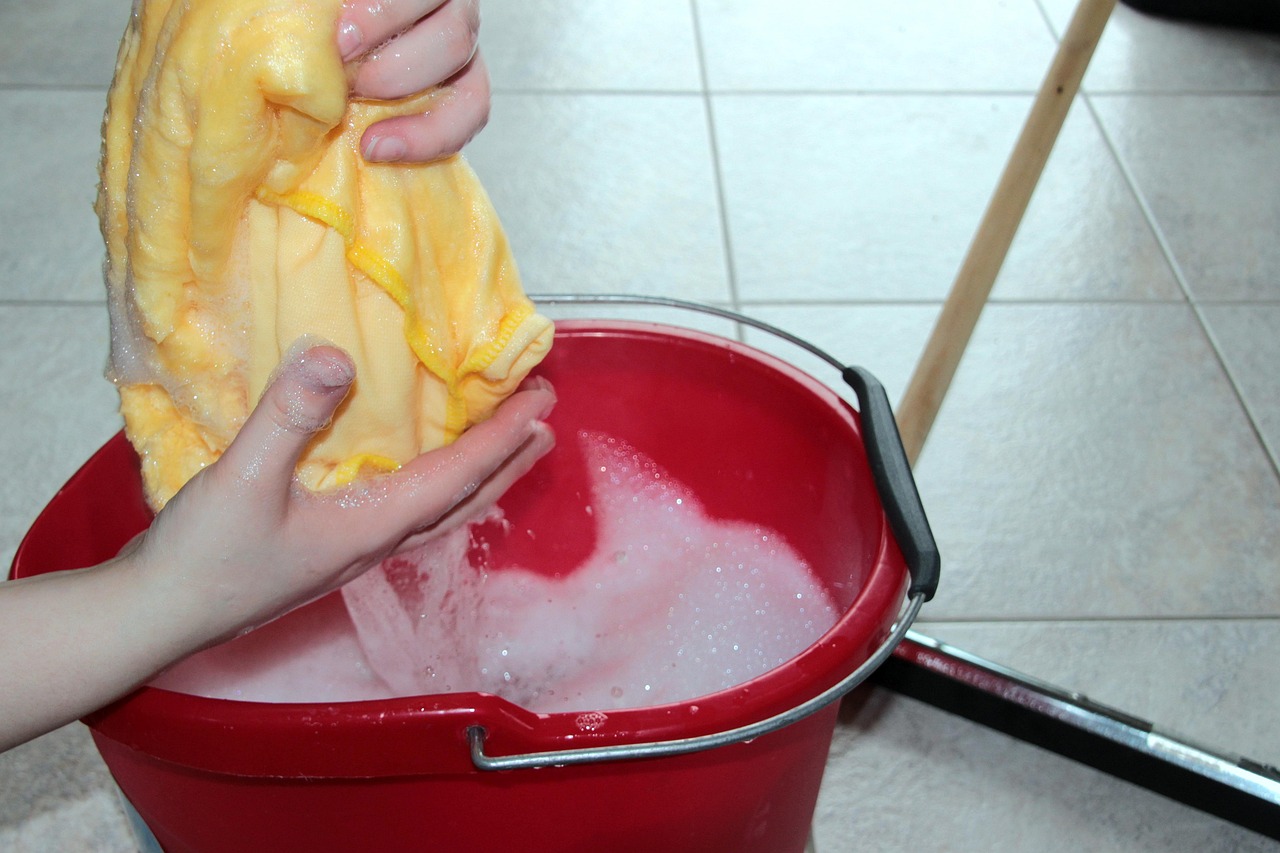
A stainless-steel filling table with sugar film, for example, may only look a little sticky, but that thin layer can make a disinfectant work poorly. The working order should be easy to follow: wipe or wash, rinse if needed, then apply the biocidal product at the labeled dilution and contact time.
Biocide Is Not a Magic Cleaner
A biocide is made to control living organisms, not to remove grease like a strong alkaline cleaner. Some products have both detergency and disinfection claims, but that claim must be shown on the label.
If the label only gives disinfection directions, use the product as a disinfectant, not as a cleaner. This point also helps control cost, because using a strong disinfectant where a neutral cleaner is enough can lead to odor, corrosion, and worker comfort problems.
Better Fit for High Risk Surfaces
Biocide cleaning fits high-touch and higher-risk surfaces such as door handles, handrails, drains, transfer carts, control panels, bench tops, floor-wall junctions, and reusable tools. It also makes sense after contamination events, maintenance work, production changeovers, or water leaks.
For a low-risk office shelf with dust, normal cleaning may be enough. For a wet processing room drain next to product traffic, a planned biocidal step is easier to justify and easier to audit.
Which Active Chemistries Are Common in Biocide Cleaning?
Choosing a product starts with the active chemistry, but buyers should also look at the full formulation. Formulation, pH, surfactants, stabilizers, corrosion profile, odor, and label claims all affect daily use. The U.S. EPA says antimicrobial products contain about 275 different active ingredients, and more than 4,000 antimicrobial products are registered with the agency and sold in the marketplace. EPA also notes that roughly one billion dollars are spent each year on antimicrobial products, which shows how wide this product group has become. (epa.gov)
Quaternary Ammonium Compounds for Daily Surface Programs
Quaternary ammonium compounds, often called quats, are common in routine surface programs because they are simple to use, stable, and usually low odor. They fit many hard nonporous surfaces, especially in schools, offices, light industry, and some food-adjacent zones when the label allows that use.
The issue is residue. If quat residue builds up, the surface may feel tacky or the residue may conflict with other chemistries, so some sites use a planned rinse or rotation.
Chlorine and Oxygen Releasers for Stronger Kill Needs
Sodium hypochlorite, chlorine dioxide, hydrogen peroxide, and peracetic acid can be useful when fast and broad action is needed. They are often chosen for drains, wet rooms, outbreak response, or areas with heavy microbial pressure.
They can also be harder on metals, rubber, skin, and lungs if workers use them the wrong way. A food plant may prefer peracetic acid for short contact time, while a maintenance team may push back because of the sharp smell, so the label and safety data sheet should guide the decision.
Alcohols and Specialty Blends for Cleanrooms
Alcohols, hydrogen peroxide blends, and sterile wipes are often used in cleanrooms, labs, and electronics-related areas. They dry fast and leave little residue, which is useful where residue control matters.
Fast drying can also be a problem if the required wet contact time is longer than the surface stays wet. In cleanrooms, packaging matters as much as chemistry, because a non-sterile wipe brought into a controlled zone can create a new contamination path during a busy shift.
How Do You Choose the Right Biocide for Your Facility?
A good buying decision starts with the actual site risk, not the strongest claim on a sales page. Ask which microbe matters, where the surface is located, who applies the product, and which material could be damaged. EPA’s selected disinfectants guidance says the product label lists the microorganisms the product is effective against, and if a pathogen is not covered by label directions, EPA has not reviewed data for that exact use. (epa.gov)
Match the Claim to the Microbe
Do not buy a hospital disinfectant for a general warehouse only because it sounds stronger. Match the claim to the problem you have: bacteria, yeast, mold, enveloped virus, non-enveloped virus, spores, or algae.
A beverage line drain and a clinic waiting-room chair are different targets, and they should not be treated as the same job. If you cannot name the target organism, define the risk group and choose a product with a suitable registered claim for that site.
Check the Contact Time
Contact time is the period the surface must stay wet so the product can work. EPA explains that if a label states a 10-minute contact time, the surface should stay visibly wet for at least 10 minutes, and more product may be needed if it dries sooner.
EPA also says it generally does not accept hard-surface disinfectant contact times longer than 10 minutes unless immersion is involved. In daily work, a one-minute wipe may be better than a ten-minute spray if staff can actually follow the instruction. (epa.gov)
Match Surface Material and Soil
Surface fit is a real buying issue. Chlorine can pit some metals, strong oxidizers can age gaskets, and solvent-heavy products may attack plastics or coatings.
Organic soil also changes performance, including blood, protein, starch, oil, and dust. Before a full rollout, test the product on a hidden patch, then watch for dulling, swelling, discoloration, residue, and odor complaints over several weeks.
What Do Regulations Expect from Biocide Cleaning Products?
Biocidal products are regulated because they are made to affect living organisms. That function is useful, but it means labels, claims, worker safety, and market access have to be handled with care. For exporters, the same product may need different labels, claims, languages, and authorizations in different regions. This is where a low-cost product can become expensive if the paperwork is weak.
United States Registration and Label Control
In the United States, many surface disinfectants and sanitizers fall under EPA antimicrobial pesticide rules. EPA reviews labels and says it verifies disinfectants work according to their label directions.
That means the label is not a side document. It defines use site, dilution, application method, contact time, target organisms, storage, disposal, and safety language, so if a sales sheet says more than the label allows, the label should control the use.
European Union Product Authorization
In the European Union, Regulation (EU) No 528/2012 covers biocidal products. Public EU guidance says the regulation aims to support the internal market while giving a high level of protection for human health, animal health, and the environment. See also: Flocculants.
Product Type 2 covers disinfectants and algaecides not intended for direct application to humans or animals. This includes products for surfaces, materials, equipment, and furniture that are not used for direct food or feed contact. (eur-lex.europa.eu)
Safety Data Sheets and Worker Training
Worker safety is part of the program, not a separate file in the office. OSHA’s Hazard Communication Standard, 29 CFR 1910.1200, requires chemical manufacturers and importers to classify hazards and provide labels and safety data sheets.
Employers must keep safety data sheets accessible during each work shift and train employees on hazardous chemicals in their work area. In plain language, staff should know what they are using, where to find the SDS, which gloves to wear, and what to do after a spill. (osha.gov)
How Can You Build a Practical Biocide Cleaning Program?
A practical program should be easy to run on a normal shift. It uses clear zones, simple tools, measured dilution, and records that a supervisor can check quickly. The WHO and UNICEF 2024 data update on WASH in healthcare facilities reported that only 9 of 39 countries with estimates had more than 75 percent coverage of basic environmental cleaning services in healthcare facilities in 2023. It also reported that about 34 percent of facilities in fragile contexts and 37 percent in landlocked developing countries had basic environmental cleaning services. The lesson for industry is direct: good chemistry still fails when systems, water, tools, and training are missing. (data.unicef.org)
Simple Zoning by Risk
Divide the site into risk zones. A dry packaging warehouse, a locker room, a wet processing room, and a lab bench should not share the same schedule.
Use color-coded bottles or cloths if that fits the site, and keep dirty tools away from clean areas. In many plants, a small map beside the cleaning cart works better than a thick manual in a folder that no one opens.
Measured Dilution and Fresh Solution
Concentrates only work when they are diluted correctly. Too weak may fail, while too strong may damage surfaces, waste money, and increase exposure.
Use dosing pumps, marked bottles, test strips, or batch sheets where needed. If a solution must be replaced after a set time, write that time on the container, because a bucket with yesterday’s disinfectant is not a controlled program.
Visible Records That People Use
Records should show what was cleaned, what product was used, who did it, and when it was checked. Keep the form short so the cleaning team will actually use it.
A line for corrective action is worth adding because real sites have missed tasks, broken sprayers, empty drums, and surprise visitors. If records look too perfect, they may not reflect the floor, so useful records should be clear rather than polished.
What Mistakes Cause Biocide Cleaning to Fail?
Most failures are basic site problems. The product may be right, but the use may be wrong. The surface was dirty, the contact time was cut short, the wrong dilution was used, or staff mixed products that should never meet. These problems often show up during night shifts, weekend cleaning, emergency cleanups, and fast changeovers when people are tired and rushing.
Dirty Surfaces Blocking Actives
Visible dirt is easy to spot. Hidden film is harder because a floor that looks clean can still carry detergent residue, fat, minerals, or biofilm.
If swab results stay high after disinfection, check the cleaning step before blaming the biocide. Mechanical action, hotter water, a different detergent, or more frequent drain work may solve the issue faster than buying a stronger disinfectant.
Wiping Too Dry Too Soon
Wipes are useful, but one wipe cannot cover an unlimited area. Once it feels dry, it is mostly moving residue around instead of keeping the surface wet.
Sprays can fail in the same way when mist lands unevenly or evaporates quickly. The surface must stay wet for the labeled time, and on warm stainless steel near equipment, that may mean a heavier application or a product with a shorter contact time.
Overuse and Poor Rotation
More biocide is not always better. Heavy use can leave residue, bother workers, corrode surfaces, and create false confidence.
Rotation can help in some high-risk programs, but random switching only creates confusion. If you rotate, set a reason and a schedule, such as a daily quat and a weekly oxidizer in wet zones after deep cleaning, and keep it simple enough for the actual team.
FAQ
Q1: Is biocide cleaning the same as normal cleaning? A: No. Normal cleaning removes soil and many germs with water, detergent, and wiping. Biocide cleaning uses antimicrobial chemistry to kill or reduce microbes left after the surface is clean.
Q2: Can you disinfect a dirty surface without cleaning it first? A: Do not rely on that. Dirt, grease, and process residue can block the active ingredient. Clean first unless the product label clearly allows one-step cleaning and disinfection for that soil level.
Q3: How often should an industrial facility use biocide cleaning? A: Frequency depends on risk. High-touch surfaces may need daily treatment, wet processing areas may need scheduled disinfection, and low-risk storage areas may need routine cleaning plus periodic review.
Q4: What is the most important label detail? A: Contact time is one of the main details to check. The surface must stay wet for the labeled period, or the product may not meet its claimed performance.
Q5: What should buyers ask before ordering a biocide cleaning product? A: Ask for the active ingredient, registered claims, use sites, dilution, contact time, material compatibility, safety data sheet, shelf life, and whether the label fits your target market.