
How Do Angiogenesis Inhibitors Cut Off Tumor Blood Supply?

Key Takeaways
- Understand the main symptoms and warning signs.
- Review common risks and prevention options.
- Learn when to seek professional medical advice.
What Are Angiogenesis Inhibitors and Why Do They Matter?
Angiogenesis inhibitors are compounds or biologic drugs that slow the growth of new blood vessels. Many solid tumors need those vessels to bring oxygen and nutrients. If you are comparing active molecules in the inhibitors category, this target class needs a close look because it connects oncology biology, assay work, clinical supply, and chemical sourcing with tight quality needs.
The idea is not hard to follow. A tumor can grow only so much before local blood supply becomes a limit. It then sends signals that tell new vessels to grow toward it. Blocking those signals does not kill every cancer cell by itself, but it can make the tumor site harder for cancer to support. That is why the National Cancer Institute describes angiogenesis inhibitors as cancer-fighting agents that target blood vessels feeding tumor growth, rather than targeting the tumor cells directly.
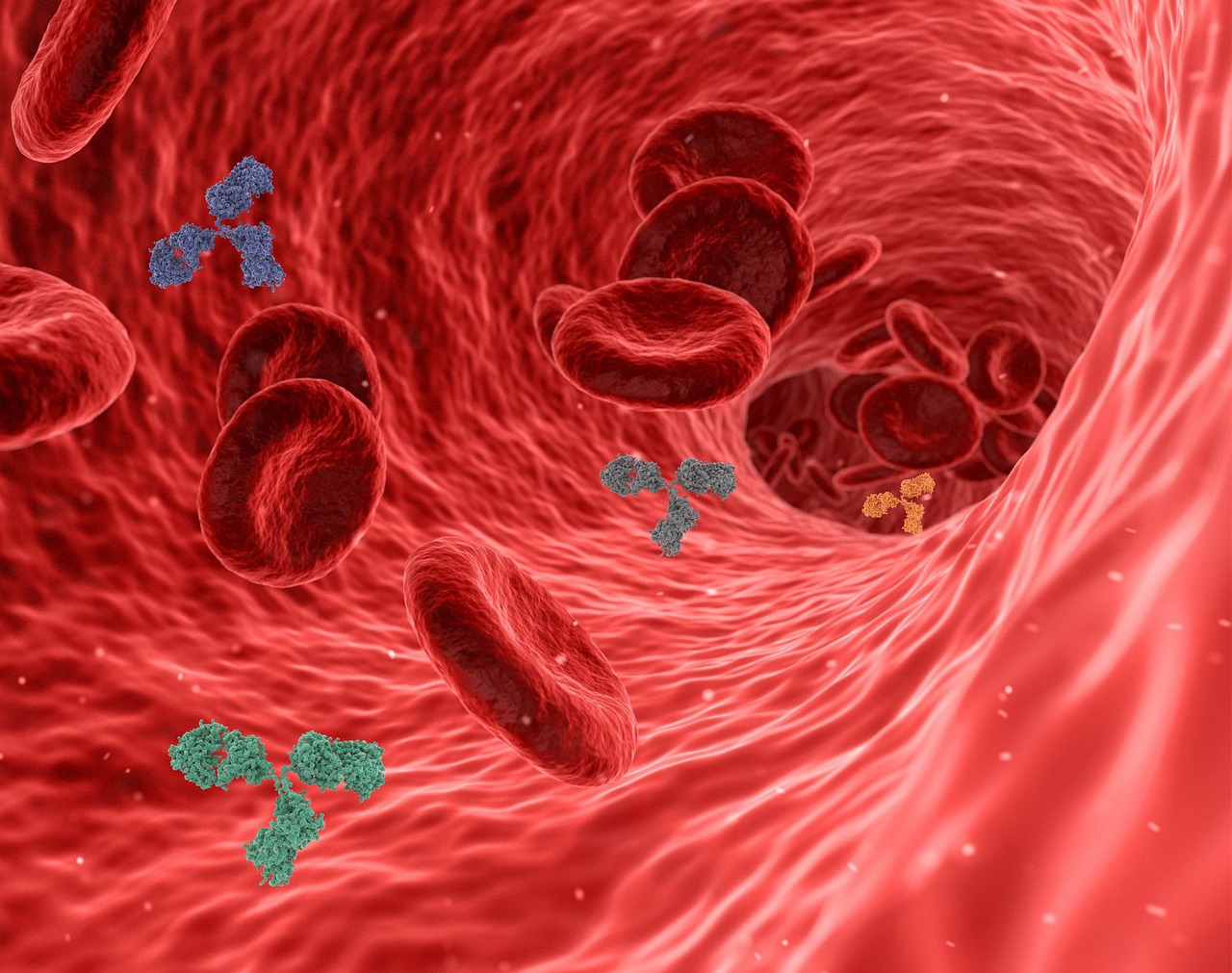
Tumor Blood Vessel Growth as a Target
Angiogenesis is part of normal growth, tissue repair, and wound healing. In cancer, the same process can be used in the wrong way.
Tumors may release pro-angiogenic signals, and nearby endothelial cells then form vessels toward the tumor mass. For researchers, this gives a target outside the tumor cell, which can help when tumor genetics keep changing during a study.
VEGF Signaling as a Main Pathway
Vascular endothelial growth factor, usually called VEGF, is one of the most used signals in this field. VEGF binds receptors on endothelial cells and supports new vessel formation.
Many approved and investigational products work on VEGF, VEGF receptors, or related kinase pathways. The business point is simple: the material is meant to stop the “build more blood supply” signal before it helps the tumor grow.
Normal Healing and the Safety Tradeoff
The same pathway that helps a tumor can also help a cut heal. That is where the tradeoff starts.
When a project uses VEGF-targeting materials, potency data is only one part of the review. Safety signals, wound-healing concerns, blood pressure effects, and proteinuria all belong in the project notes, not in a section people skip.
How Do Angiogenesis Inhibitors Work in Real Treatment Plans?
In real use, angiogenesis inhibition is not one method. Buyers and research teams may see large biologics that bind VEGF, small molecules that block receptor tyrosine kinases, and combination plans with chemotherapy or immunotherapy. A fair comparison starts with mechanism, not only with a product name that people know.
Monoclonal Antibodies That Bind VEGF
Bevacizumab is a common example. The U.S. DailyMed label for Avastin lists it as a vascular endothelial growth factor inhibitor and describes a 25 mg/mL injectable solution.
That label detail matters because it connects the mechanism with regulated product identity, not just a sales term. For sourcing teams, it is also a reminder that biologics and small molecules follow very different quality systems.
Receptor Tyrosine Kinase Inhibitors
Small-molecule VEGFR inhibitors often block more than one receptor. Some also affect PDGFR, KIT, RAF, FLT3, or other kinases, depending on the molecule.
That wider activity can help in cancer biology, but it can also make results harder to read. If an assay shifts after one lot change, the cause might be solubility, impurity profile, kinase selectivity, or basic handling. It is frustrating, but it happens often enough in lab work.
Combination Use with Chemotherapy or Immunotherapy
Anti-angiogenic agents are often studied with other therapies because vessel growth can affect drug delivery, immune cell movement, and tumor oxygen levels. ClinicalTrials.gov records show many trial designs where a VEGF pathway drug is used with chemotherapy, checkpoint inhibitors, or other targeted agents.
Trial counts move all the time, so a fixed number is not very helpful here. The safer takeaway is that combination design remains a main research direction for this class.
Which Applications Drive Demand for Angiogenesis Inhibitors?
Demand comes from clinical oncology, academic biology, pharmacology screens, formulation research, and analytical reference work. One buyer may only need milligram quantities for a cell assay. Another team may need a traceable standard for method transfer. The keyword may be the same, but the buying risk is not.
Oncology Research and Clinical Supply Chains
The disease burden explains why this class still gets steady attention. The World Health Organization cancer fact sheet updated in July 2026 reports that cancer caused nearly 10 million deaths in 2024, around one in six deaths worldwide.
IARC GLOBOCAN 2024 estimates also place lung cancer at about 2.6 million new cases and 1.9 million deaths globally. The numbers are difficult to read, but they explain why oncology targets with validated biology continue to receive research budgets.
Ophthalmology and Retinal Disease Programs
VEGF biology is not limited to tumors. Abnormal vessel growth also matters in retinal disease, where anti-VEGF therapy has changed treatment patterns.
For a chemical supplier or research group, the same pathway may come up in both oncology and ophthalmology discussions. You still need to separate use case, grade, route, and regulatory status. A reagent for a cell model is not a clinical product.
Reference Standards and Assay Development
Many teams buy angiogenesis inhibitors for assay setup, not for treatment. Common use cases include endothelial tube formation tests, VEGFR phosphorylation assays, migration models, and combination screens.
In these settings, basic documentation can save a lot of repeat work. A certificate of analysis, HPLC purity, NMR or MS identity data, residual solvent details, and storage guidance are worth checking before the material is booked.
- For cell assays, check solubility in DMSO and final solvent tolerance.
- For kinase panels, confirm the exact salt form or free base form.
- For reference work, match documentation to your internal QA rules.
What Data Should Buyers and Research Teams Check First?
A sound purchase decision starts with data you can check. A polished product page is not enough. Before comparing price, review mechanism, label status, purity method, batch traceability, and whether the supplier can answer basic technical questions without unclear replies.
Approval Status and Label Information
Approval status tells you how much public information is available. It does not automatically tell you which material to buy.
FDA-approved drugs have labels, safety warnings, and defined indications. Research inhibitors may have strong literature support but no approved clinical use. When you read sources such as DailyMed or the National Cancer Institute, keep clinical product facts separate from research material claims.
Purity, Identity, and Lot Documentation
For small molecules, ask for the purity method and real batch data. “Over 98%” does not say much if the chromatogram is missing or the detection method does not fit the compound. See also: Flocculants.
For peptide or biologic-related materials, the paperwork load is usually heavier. Storage, endotoxin, aggregation, formulation buffer, and freeze-thaw history can all change performance. This work is not exciting, but it keeps projects from drifting off plan.
Assay Context and Comparability
IC50 values can look exact and still lead you in the wrong direction. A value from a biochemical VEGFR assay may not match a cell-based migration assay.
Serum content, incubation time, ATP concentration, cell line, and readout method can all shift results. If two suppliers show different potency data, compare the assay context first. The cheaper quote may be fine, or it may cost three extra weeks.
What Risks and Handling Details Can Change a Project Timeline?
Angiogenesis inhibitors are tied to normal vascular biology, so risk review should not be treated as a side task. Even for preclinical or analytical work, known class effects help teams write safer handling notes, set study timing, and avoid delays that could have been planned for.
Blood Pressure, Bleeding, and Wound Healing
The National Cancer Institute lists side effects for VEGF-targeting angiogenesis inhibitors that can include hemorrhage, arterial clots, hypertension, impaired wound healing, protein in urine, and rare neurologic complications. These are not just clinical words on a page.
Pathway knowledge should guide study exclusions, timing around procedures, animal welfare plans, and sample collection schedules. If this is missed early, the project may lose time later during review or repeat testing.
Storage Conditions and Cold Chain Needs
Small molecules may be stable as dry powders but break down faster in solution, especially with light, heat, or repeated thawing. Biologics can be even more sensitive.
A bottle left on a warm bench during a busy receiving day can quietly become the reason for bad data. Ask for storage temperature, shipping condition, retest date, and recommended stock solution limits before the shipment leaves.
Supplier Communication Before Purchase
Good suppliers answer direct questions. You can ask whether the lot has been used in a cell-based assay, whether the compound is hygroscopic, whether a fresh CoA is available, and how long customs paperwork usually takes.
For export orders, also check invoice description, HS code practice, SDS language, and any controlled shipping restrictions. The science matters, but paperwork can still stop the box at the border.
How Should You Compare Angiogenesis Inhibitors vs Other Targeted Inhibitors?
Angiogenesis inhibitors are part of the wider targeted inhibitor market, but price per milligram should not be the only comparison point. The target biology, formulation, study question, and document depth all need to match the work. A good comparison is usually specific, not fancy.
Target Fit Before Brand Familiarity
Choose the target first. If your model depends on VEGF-A signaling, a VEGF-binding biologic may make sense.
If your model focuses on VEGFR phosphorylation or downstream kinase effects, a small-molecule receptor inhibitor may fit better. Brand familiarity can help with literature searches, but it should not replace target fit.
Route, Formulation, and Study Design
Route matters. Injectable biologics, oral kinase inhibitors, and in vitro tool compounds each bring different assumptions.
Formulation excipients can affect cells, and vehicle limits can affect animals. Timing also matters because vascular changes may not show up as fast as direct cytotoxicity. Build the design around the mechanism, then choose the material.
Cost, Availability, and Lead Time
Price matters, especially for screening work. Still, late delivery or weak documentation can wipe out a small saving.
For international buyers, lead time should include production status, export paperwork, transit condition, and local import handling. If no reliable public data supports a supplier’s claim, treat that claim as unverified and ask for primary documents before payment.
FAQ
Q1: Are angiogenesis inhibitors the same as VEGF inhibitors? A: Not always. Many angiogenesis inhibitors target VEGF or VEGF receptors, but angiogenesis can also involve other pathways such as FGF, PDGF, angiopoietins, and downstream kinase signaling.
Q2: Why do tumors need angiogenesis? A: A growing tumor needs oxygen and nutrients. New blood vessels can support that growth, so blocking vessel formation can slow the tumor-supporting environment.
Q3: What documents should you request before buying a research inhibitor? A: Ask for a certificate of analysis, purity data, identity testing, SDS, storage guidance, batch number, retest date, and solubility notes if available.
Q4: Can angiogenesis inhibitors cause side effects? A: Yes. Public sources such as the National Cancer Institute list class risks including high blood pressure, bleeding, blood clots, wound-healing problems, and proteinuria, especially with VEGF-targeting agents.
Q5: Is a lower IC50 always better? A: No. IC50 depends on assay format, target, ATP level, cell line, and exposure time. A slightly higher value from a relevant assay can be more useful than a low value from the wrong model.