
Why Are Topoisomerase Inhibitors Still Critical for Cancer Research and Drug Supply?
Key Takeaways
- Understand the main symptoms and warning signs.
- Review common risks and prevention options.
- Learn when to seek professional medical advice.
If you screen, compare, or source topoisomerase inhibitors, you are working with an older but still busy group of DNA-targeting agents. These compounds belong in the wider Inhibitors field because they block enzymes involved in DNA breaking, turning, and rejoining during cell growth. The National Cancer Institute defines a topoisomerase inhibitor as a substance that blocks topoisomerases, while NCBI LiverTox lists irinotecan and topotecan as topoisomerase I inhibitors and etoposide and teniposide as topoisomerase II inhibitors in current U.S. use. (cancer.gov)
For chemical buyers, this is not just medical background. It affects assay setup, compound grade, salt form, storage, hazardous handling, and paperwork. A small mismatch, such as buying a research powder when the lab needs a reference standard with full analytical data, can cost two weeks. No project manager wants to explain that delay on a Friday afternoon call.

Why Do Topoisomerase Inhibitors Matter in Modern Oncology?
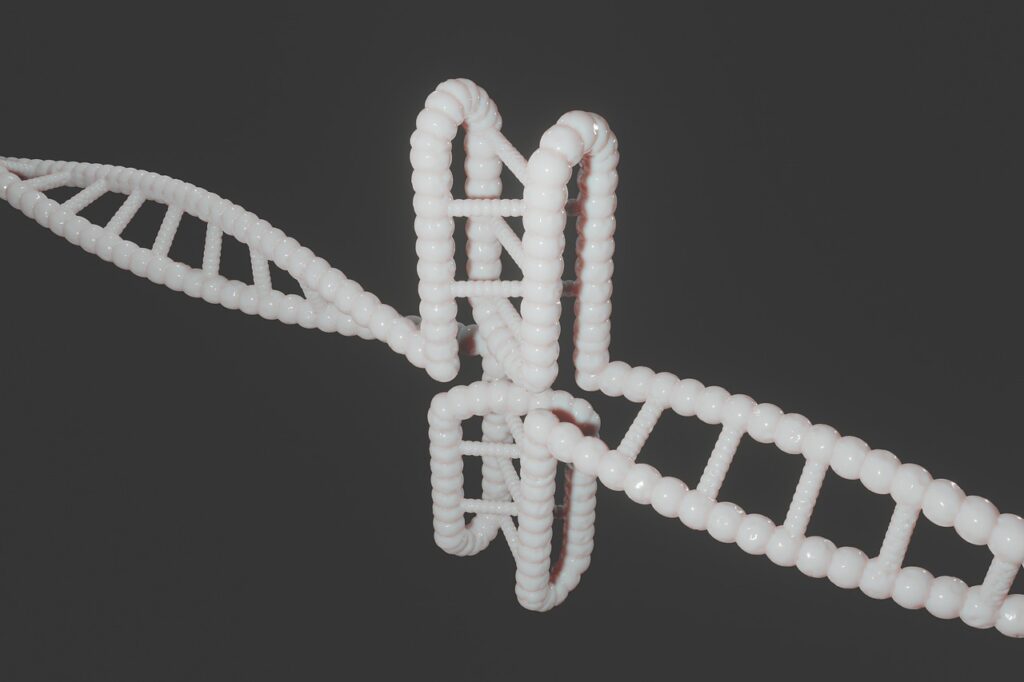
Topoisomerase enzymes handle a basic DNA problem: DNA becomes twisted when cells copy it. If that stress is not released, replication and transcription can slow down or stop. In cancer research, blocking this repair step can leave DNA damage that fast-dividing cells cannot manage well.
DNA Tension as the Starting Point
Topoisomerase I makes and reseals short single-strand breaks, while topoisomerase II makes and reseals double-strand breaks. Many topoisomerase inhibitors do not simply switch the enzyme off. They can hold the enzyme-DNA complex after the break is made, so the damage stays long enough to push the cell toward death pathways.
Cancer Cells With High Replication Stress
Fast-growing tumor cells often carry heavy replication stress, so DNA processing enzymes become useful targets. This is why this compound class keeps appearing in ovarian, lung, colorectal, testicular, leukemia, and lymphoma research. The working idea is easy to follow, but the biology can turn complicated once efflux pumps, DNA repair activity, and cell-cycle timing are involved.
A Practical Bridge Between Biology and Supply
Because these compounds are well known, buyers may think the purchase is simple. In practice, it still needs a careful check. Topoisomerase inhibitors include different scaffolds, such as camptothecin derivatives and podophyllotoxin derivatives. A supplier discussion should cover purity, identity testing, impurity profile, batch size, and whether the material is for screening, analytical work, or further formulation research.
How Do Topoisomerase I and II Inhibitors Differ?
The first sourcing choice is often the target class. Topoisomerase I and II inhibitors can both cause DNA damage, but they match different models, protocols, and papers. If a team compares cell responses, mixing the two groups without a clear reason can make the data harder to read.
Topoisomerase I Agents Trap Single-Strand Repair
Irinotecan and topotecan are the names buyers see most often in this group. LiverTox describes irinotecan and topotecan as camptothecin derivatives that bind the DNA-topoisomerase I complex and prevent DNA resealing. This leads to DNA breaks, blocked replication, and cell death, so the exact compound and form matter in assay planning. (ncbi.nlm.nih.gov)
Topoisomerase II Agents Block Double-Strand Resealing
Etoposide and teniposide are classic topoisomerase II agents. LiverTox describes them as semisynthetic derivatives of mayapple extracts that bind topoisomerase II and DNA, preventing resealing of DNA breaks. For a lab, that difference is important because double-strand damage can give a different response pattern than topoisomerase I stress.
Drug Class Names That Buyers Actually Use
In catalog searches, you may see terms like Topo I inhibitor, Topo II inhibitor, camptothecin analog, epipodophyllotoxin, anthracycline topoisomerase inhibitor, or DNA damage inducer. These class names help when you are searching across suppliers. Even so, use the specific compound name and CAS number whenever possible, because identity data is what prevents mix-ups.
Which Compounds Are Most Commonly Requested?
Buyer requests often group around a few familiar compounds. That does not mean the materials can be swapped freely. Each one has its own use history, handling points, and analytical expectations. When making a purchase list, it is worth separating clinical label information from research use needs.
Irinotecan and SN-38 for Colorectal Models
DailyMed states that irinotecan hydrochloride injection is a topoisomerase inhibitor indicated for first-line therapy with 5-fluorouracil and leucovorin in metastatic colon or rectal carcinoma, and for disease that has recurred or progressed after fluorouracil-based therapy. Its active metabolite, SN-38, comes up often in research because it is more directly tied to topoisomerase I inhibition than the prodrug itself. This point matters when the assay design focuses on target activity rather than the full drug conversion process. (dailymed.nlm.nih.gov)
Topotecan for Ovarian and Lung Cancer Studies
DailyMed lists topotecan hydrochloride injection as a single agent for metastatic ovarian cancer after progression and for platinum-sensitive small cell lung cancer that progressed at least 60 days after first-line chemotherapy. The same label also lists use with cisplatin for stage IV-B, recurrent, or persistent cervical cancer not suited for curative treatment. These label details give researchers a clear public reference point, even when the actual order is for nonclinical work. (dailymed.nlm.nih.gov)
Etoposide and Doxorubicin for Topoisomerase II Work
Etoposide is still a common topoisomerase II reference compound. Doxorubicin is also widely discussed in topoisomerase II-related oncology work, although it has other mechanisms such as DNA intercalation and oxidative stress. The WHO 2025 Model List of Essential Medicines lists doxorubicin, etoposide, and irinotecan under antineoplastic medicines, with dosage forms and cancer-use contexts shown in the list. (iccp-portal.org)
What Public Data Should You Check Before Sourcing?
Public data cannot replace your own specifications, but it can stop weak assumptions. Use it to check whether a compound name, salt form, therapeutic context, and risk profile make sense. After that, ask the supplier for batch-specific proof, because public monographs do not certify a random vial, bottle, or drum.
Regulatory Labels and Trial Numbers
DailyMed labels give official U.S. prescribing information, including indication language, dosage forms, warnings, and clinical study notes. For example, the topotecan label reports severe myelosuppression risks and gives trial-based hematologic toxicity data, including grade 4 neutropenia in large safety datasets. This data is not a buying specification, but it explains why cytotoxic handling and documentation should not be treated casually. (dailymed.nlm.nih.gov)
WHO Essential Medicine Signals
The WHO Model List of Essential Medicines is updated every two years and selects medicines based on public health relevance, evidence of efficacy and safety, and comparative cost-effectiveness. For sourcing teams, EML presence can point to broad clinical importance. It still does not prove that every supplier has suitable quality, so treat it as background information rather than a shortcut. (who.int) See also: Flocculants.
A Simple COA Review Habit
Before you buy, read the certificate of analysis as if a failed assay depends on it, because sometimes it does. Check the identity method, HPLC purity, water content, residual solvents, storage condition, retest date, and chromatogram availability. If a supplier cannot explain an impurity peak or batch history, the low price can become expensive later.
How Should You Compare Purity, Format, and Handling?
Topoisomerase inhibitors may arrive as powders, salts, reference standards, or formulated materials. The right format depends on how the team will use the material. A cell-based screen, LC-MS method, or synthesis project will not need the same document package.
Research Grade Powder Versus Injectable Reference
Research grade material can be suitable for screening when identity and purity are clearly documented. Injectable-grade material is a separate discussion and belongs under regulated manufacturing controls. Do not treat a catalog claim as GMP status, and ask for written grade, intended use, and available audit documents before you commit.
Solubility, Salt Form, and Storage
Salt form changes day-to-day handling. Irinotecan hydrochloride, topotecan hydrochloride, and doxorubicin hydrochloride are not the same discussion as neutral screening libraries. Light sensitivity, freeze-thaw practice, and solvent choice also matter. A compound can look fine on paper and still fail if the team stores it on the wrong shelf for a month.
Safety Notes for Cytotoxic Materials
These are cytotoxic materials, so you should expect proper safety data sheets, sealed packaging, trained handling, and waste controls. For small R&D quantities, this may feel like extra procedure. It is not extra in real lab work, because cytotoxic powder on a balance bench is a workplace issue even when the bottle is tiny.
What Should You Ask a Supplier Before Ordering?
A useful supplier conversation is usually short and specific. You do not need a 30-email chain. You need the right questions early, especially if the project timeline is tight or the compound will move across borders.
Identity, Batch, and Analytical Proof
Ask for CAS number, molecular formula, salt form, batch number, assay method, chromatogram, NMR or MS support when available, and storage guidance. If the compound is a metabolite such as SN-38, ask about stability and packaging size. Small aliquots can help reduce repeated thawing and reweighing, which is useful for sensitive materials.
Application Fit Before Price
Price matters, but application fit should come first. A cheaper product with unclear purity language can damage a screening run, while an over-specified product can waste budget. Tell the supplier whether you need cell assay material, an analytical standard, a synthesis intermediate, or documentation for downstream regulated review.
Lead Time and Packaging Reality
Confirm lead time, export paperwork, cold-chain needs, and dangerous goods status before payment. Some inhibitors ship fast in milligram packs but take longer at gram scale. That is common in this product group, and it is better to know on day one than after your assay plates have already been booked.
FAQ
Q1: Are topoisomerase inhibitors only used in cancer research?
A: No. They are best known in oncology, but topoisomerase biology also appears in antibacterial research and basic DNA replication studies. For sourcing, always define the exact compound and use case.
Q2: What is the main difference between Topo I and Topo II inhibitors?
A: Topo I inhibitors are tied to single-strand DNA break repair, while Topo II inhibitors affect double-strand break resealing. This difference can change assay response, timing, and toxicity readouts.
Q3: Which public sources are useful before buying?
A: NCI definitions, NCBI LiverTox summaries, DailyMed labels, and the WHO Model List of Essential Medicines are useful starting points. They do not replace supplier batch documents.
Q4: Is higher purity always the best choice?
A: Not always. Higher purity is useful, but the right choice depends on your method, budget, and documentation needs. Identity proof, impurity clarity, and storage data may matter just as much.
Q5: Can a supplier claim clinical suitability based on a research COA?
A: No. Research COA data does not equal GMP or clinical suitability. You should ask for grade, manufacturing controls, and regulatory documentation before any regulated use is considered.