How Can Wastewater Transport Services Keep Chemical Sites Moving Safely?
Key Takeaways
- Understand the main symptoms and warning signs.
- Review common risks and prevention options.
- Learn when to seek professional medical advice.
Wastewater transport services connect production, compliance, and site uptime. When a chemical plant, toll blender, lab, coating line, or maintenance contractor needs liquid waste hauled off site, the job has to match the waste profile, the receiving facility rules, and the conditions at the pickup point.
The volume behind this work is easy to underestimate. The U.S. EPA says wastewater treatment facilities in the United States process about 34 billion gallons of wastewater every day, so even a small off-spec batch or emergency sump cleanout goes into a large system with many rules. Source: U.S. EPA public wastewater guidance, available in 2026. (epa.gov)
Why Do Wastewater Transport Services Matter for Chemical Sites?
Chemical wastewater may look simple from the outside. It is liquid, it goes into a tank, and a truck leaves the plant. On the floor, that same liquid may contain solvents, surfactants, metals, suspended solids, high or low pH, oils, or cleaning residues. Planning ahead helps keep the load acceptable before the driver arrives.
Waste Streams Can Change by Shift
A line wash after resin production is not the same as cooling tower blowdown. Floor scrubber water is different again, and it may pick up material from several work areas. If your process changes, the hauled wastewater can change with it. That is why a current waste profile is more useful than an old label on a tote.
Hauled Loads Need Early Approval
The EPA notes that hauled waste can affect a publicly owned treatment works because it is often more concentrated than typical domestic wastewater and may not be equalized before discharge. Source: U.S. EPA hauled waste guidance, available in 2026. (epa.gov) This matters in day-to-day scheduling. A receiving plant may ask for lab results, pH data, generator information, and a set discharge window before it accepts the truck.
Small Errors Can Stop a Pickup
A missing sample, a blocked valve, or a wrong destination code can hold up the whole move. It sounds basic, but a hose route blocked by pallets can burn half a morning. For time-sensitive chemical sites, the transport plan should be checked before the truck reaches the gate. That simple check can save overtime, waiting fees, and a second dispatch.
What Should You Check Before You Book a Tanker?
A booking call goes faster when the main facts are already on hand. You do not need perfect paperwork for every early quote, but you do need enough detail for safe screening. Descriptions such as process water or rinse water are usually too vague.
Waste Profile and Lab Data
Start with the source process, estimated volume, pH, flash point if relevant, solids content, oil and grease, metals, COD or BOD where required, and any known contaminants. For recurring loads, keep a profile update schedule so the hauler is not working from old information. For one-time cleanup, take a representative sample before pricing if the material is not predictable. That step often prevents a rejected load later.
Pickup Point and Hose Access
A vacuum truck may need a safe spot near a sump, pit, frac tank, or aboveground tank. Note hose length, height difference, traffic flow, overhead clearance, and whether the driver needs plant escort. A 50-foot hose job and a 200-foot hose job are not the same job. The extra distance changes labor time, setup, and spill control.
Destination Rules and Receiving Hours
Some facilities accept only pre-approved loads. Others limit pH, oil, solids, or daily volume, even when the wastewater is otherwise manageable. Ask about cutoff times, holiday rules, discharge rates, sample retention, and rejection steps. If a truck gets turned away, you may pay for waiting time, return hauling, and a second disposal route.
How Do Regulations Shape Wastewater Transport?
Rules depend on the waste, the generator, the route, and the receiving facility. That is why wastewater hauling is not only a logistics task. It touches environmental, transportation, worker safety, and site security duties. The names change by country, but the working order is the same: classify first, then move.
Pretreatment Limits Still Apply
In the United States, EPA pretreatment rules define a significant industrial user in part by categorical standards, by 25,000 gallons per day or more of process wastewater to a POTW, by 5 percent or more of plant capacity, or by the potential to affect POTW operation. Source: U.S. EPA pretreatment roles and responsibilities, available in 2026. (epa.gov) Even if a load moves by truck, the receiving facility may still apply local limits. The generator should confirm those limits before the pickup is booked.
Hazardous Waste Needs Cradle to Grave Control
If the liquid is regulated hazardous waste, the generator cannot handle the haul as normal wastewater. EPA describes hazardous waste management as a cradle-to-grave system, covering generation, transportation, treatment, storage, and disposal. Source: U.S. EPA hazardous waste basics, available in 2026. (epa.gov) In practice, that can mean EPA ID numbers, approved transporters, manifests, and a permitted destination. These items should be settled before any truck is sent.
Records Must Match the Actual Load
Paperwork should match the tank contents, not yesterday’s assumption. Keep the profile, lab reports, shipping papers, manifests if required, scale tickets, disposal receipts, and incident notes together. If a customer or regulator asks what happened to a batch, clean records answer faster than memory. They also help the next hauler or receiving plant understand the history without guessing.
Which Equipment Fits Different Wastewater Loads?
Equipment choice affects cost, speed, and risk. A larger tank is not always the right answer. The better choice depends on volume, solids, access, compatibility, pumpability, and whether the job is routine or messy. A few field details can prevent expensive surprises.
Vacuum Trucks for Sumps and Pits
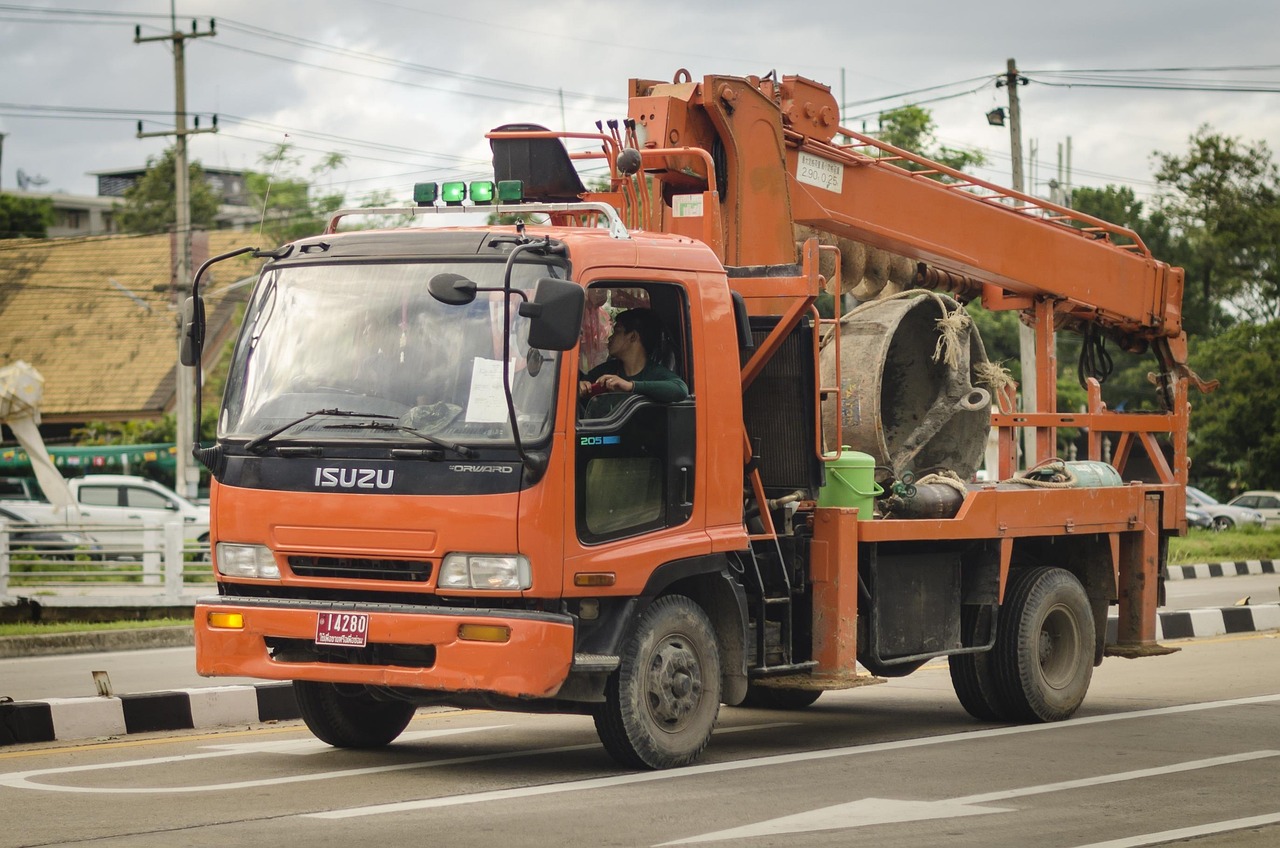
Vacuum trucks fit cleanouts, trench drains, oil-water separator service, pit liquids, and sludgy bottoms. They are useful when the liquid will not drain by itself or when solids sit at the bottom. Before loading, check whether the material may foam, harden, or release strong vapor. Those details affect pump choice, hose setup, and PPE.
Tank Trailers for Regular Bulk Moves
Tank trailers make sense for steady, pumpable wastewater with known chemistry. They can move large volumes well when loading racks, hoses, fittings, and receiving appointments are ready. For repeat chemical-site lanes, written loading steps help new drivers avoid old mistakes. They also make shift handoffs easier during shutdown or turnaround work. See also: Flocculants.
Containers for Small or Uncertain Lots
Drums, totes, roll-off tanks, and portable tanks may suit smaller batches, pilot plant waste, lab cleanouts, or material waiting on lab approval. They also help keep waste streams separated. Mixing two uncertain liquids to save space can turn a manageable job into a disposal problem. When in doubt, keep the lots apart until the lab result is clear.
How Can You Lower Safety and Spill Risk?
Wastewater hauling puts people close to hoses, valves, moving trucks, wet surfaces, vapors, and confined spaces. Safety is not just a wall poster on this work. It is the difference between a clean transfer and a bad afternoon that slows the site down.
Air Monitoring and Confined Space Limits
OSHA lists sewer and wastewater treatment among workplaces where hydrogen sulfide exposure can be a concern, especially in confined spaces. Source: OSHA hydrogen sulfide workplace guidance, available in 2026. (osha.gov) Your site should set clear rules for atmospheric testing, entry permits, ventilation, rescue planning, and stop-work authority. The driver and plant contact should know those rules before setup starts.
Secondary Containment During Transfer
Use drip pans, drain covers, berms, absorbents, and closed connections where practical. Confirm gasket condition before starting the pump, because a worn seal can fail fast under flow. A small leak at a camlock can spread across concrete in minutes. If the area is not controlled, chemical wastewater can track into storm drains.
Clear Site Traffic and Staging
Give the truck a stable spot, wheel chocks if required, and a route away from forklifts and blind corners. Night pickups need lighting, and bad weather needs extra grip and more time. The best driver cannot fix poor staging after the tanker is already boxed in. A short staging check before arrival usually costs less than moving equipment later.
What Makes a Transport Partner Reliable?
A reliable wastewater transport partner does more than send a truck. You want a team that asks direct questions, pushes back on questionable loads when needed, and helps you avoid rejections. Cheap hauling can become expensive when the destination says no.
Straight Answers on Acceptable Waste
Good providers ask about chemistry, solids, pH, odor, temperature, flash risk, and disposal options. If a provider accepts every load without questions, be careful. A short technical review at the start is better than a rejected tanker at the end. It also shows whether the hauler understands the receiving facility rules.
Drivers Who Know Plant Etiquette
Chemical sites have gate rules, PPE zones, badge systems, speed limits, and lockout areas. Drivers should follow escort instructions, read site signs, and keep communication simple. A calm driver who respects the plant routine is worth a lot during shutdown work. That kind of behavior keeps the job moving without adding stress to production staff.
Reports You Can Use Later
Ask for pickup tickets, volumes, disposal confirmation, manifests if needed, and exception notes. Clean reporting helps purchasing, EHS, production, and customer audits. It also makes the next job easier because nobody has to rebuild the history from scattered emails. For recurring wastewater transport services, this record trail is part of the service, not an extra favor.
FAQ
Q1: What Are Wastewater Transport Services? A: They are services that move liquid wastewater, sludges, rinse water, sump liquids, or related industrial liquids from your site to an approved treatment, recycling, storage, or disposal facility.
Q2: How Do You Know if Wastewater Is Hazardous? A: Use process knowledge, safety data sheets, lab testing, and local regulatory rules. If the waste may be ignitable, corrosive, reactive, toxic, or listed by regulation, treat classification as a formal compliance step before transport.
Q3: Can Chemical Wastewater Go to a Municipal Treatment Plant? A: Sometimes, but only if the receiving plant approves it and the load meets its limits. Hauled industrial wastewater can be stronger than normal sewage, so pre-approval is common.
Q4: What Information Should You Give a Hauler First? A: Share volume, source process, pH, known contaminants, solids level, access details, pickup schedule, destination preference, and any lab data. Photos of tanks, valves, and staging areas are often helpful.
Q5: Is There a Reliable Public Price per Gallon for Wastewater Hauling? A: No single national price is reliable for chemical-site wastewater. Rates vary by distance, waste profile, tank type, labor time, disposal fees, sampling, permits, and whether the destination has already approved the load.