
Rust and corrosion inhibitors for industrial metal protection
Key Takeaways
- Understand the main symptoms and warning signs.
- Review common risks and prevention options.
- Learn when to seek professional medical advice.
Rust and corrosion inhibitors are chemical additives or surface-active materials used to reduce how quickly metals deteriorate in service. For iron and steel, the visible problem is often rust. For other metals, it may show up as pitting, staining, dezincification, under-deposit attack, or loss of wall thickness. The aim is not to make corrosion impossible, but to slow it to a level that fits the equipment, fluid, exposure period, and maintenance plan. In industrial applications, inhibitors are used in lubricants, cooling water, acid cleaning, oil and gas production, metalworking fluids, temporary storage, packaging, coatings, and concrete systems. Selection should be based on the metal, environment, test method, safety profile, and expected service conditions, not on a broad claim of protection.
What rust and corrosion inhibitors actually do
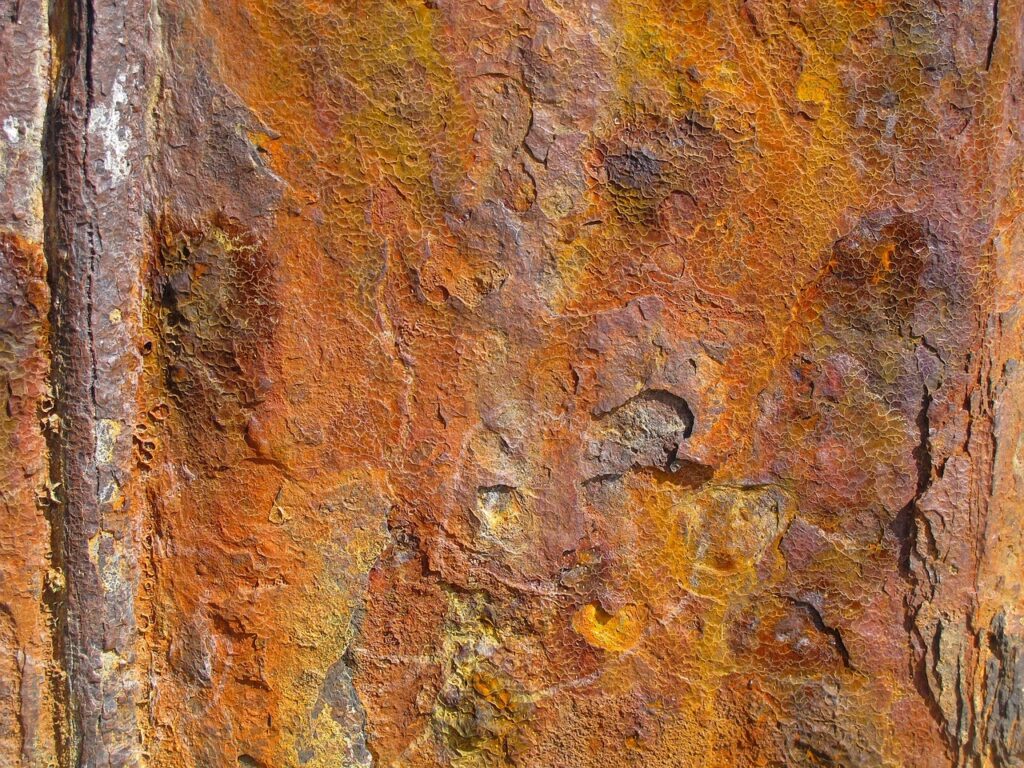
Corrosion is an electrochemical process in which metal atoms lose electrons and move into a more stable chemical form. Rust is a specific corrosion product that forms on iron and carbon steel when moisture and oxygen are present. Because rust is porous and can allow more water and oxygen to reach the underlying surface, untreated steel may continue to corrode after the first visible discoloration appears.
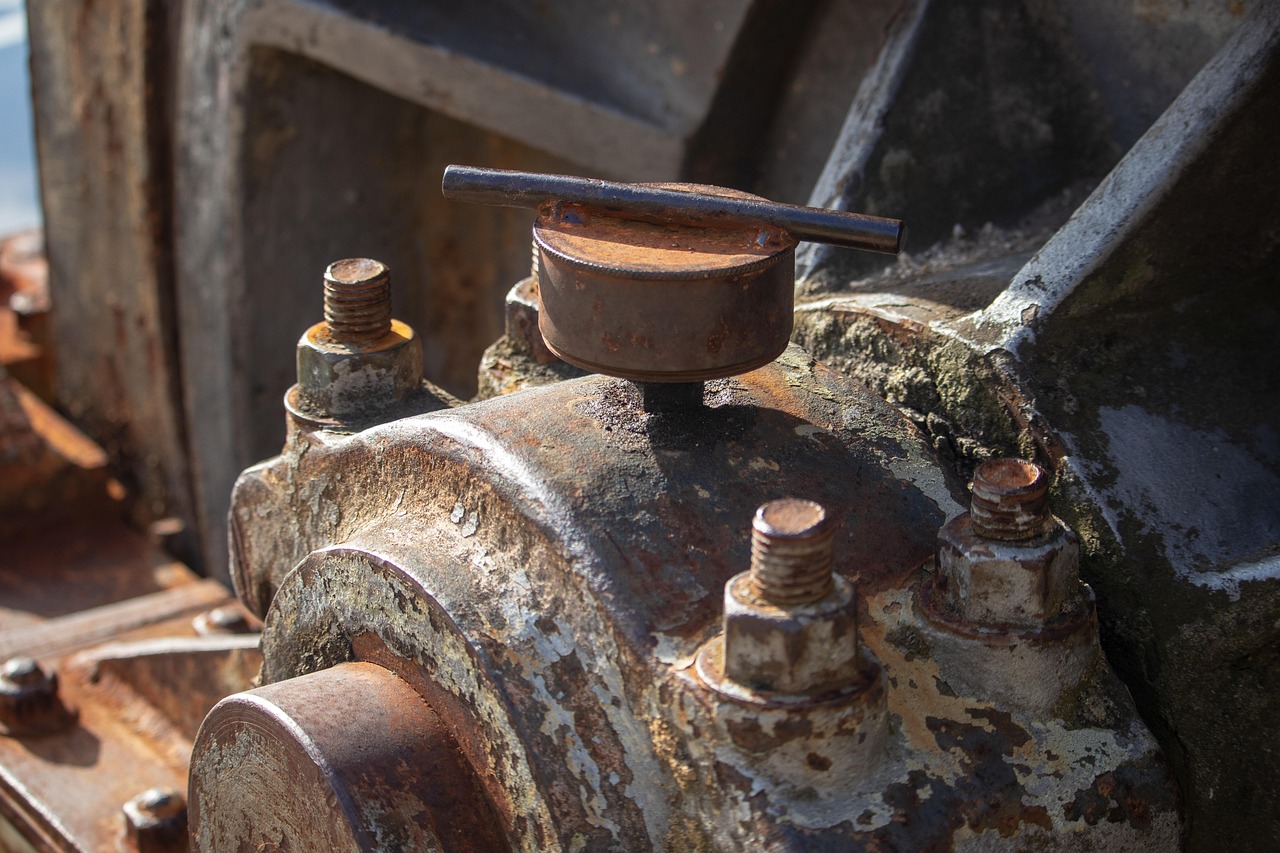
A corrosion inhibitor is normally added at a relatively small concentration to the surrounding fluid, coating, lubricant, vapor space, or treatment system. AMPP, the Association for Materials Protection and Performance, describes inhibitors as substances that slow chemical or corrosion reactions and notes their use in acids, cooling waters, steam, petroleum refining, chemical manufacturing, water treatment, heavy manufacturing, and oil and gas operations. That range of use is why the term covers many chemistries rather than one product family.
For more background on inhibitor-related topics, see the Inhibitors section.
Rust prevention is not the same as full corrosion control
The phrase “rust inhibitor” is often used for products aimed at ferrous metals, especially steel parts in storage, transport, machining, lubrication, or humid air. “Corrosion inhibitor” is broader. It may refer to protection of carbon steel, stainless steel, copper alloys, aluminum, galvanized steel, rebar, or mixed-metal systems exposed to water, oil, acid, gas, concrete pore solution, or atmospheric moisture.
This distinction matters. A product that performs well on steel panels in humid air may not prevent pitting of stainless steel in chloride water, yellow-metal staining in a mixed-metal coolant, or acid attack during pickling. Conversely, an inhibitor optimized for a closed cooling-water loop may not leave the right film for temporary outdoor storage of machined parts.
In practical purchasing and formulation work, the problem should be defined before the chemistry is selected. The useful question is not simply “Does it stop rust?” but “Which metal, in which environment, for how long, at what temperature, with what contaminants, and under what maintenance controls?”
How inhibitors work on metal surfaces
Most industrial inhibitors work by interfering with one or more steps in the corrosion cell. The exact mechanism depends on metal type, pH, dissolved oxygen, chloride level, temperature, flow, deposits, and the inhibitor molecule or ion.
Anodic inhibitors
Anodic inhibitors slow the metal-dissolution reaction. Some are passivating agents that help form or maintain a protective oxide film. Examples often discussed in corrosion literature include nitrites, molybdates, phosphates, silicates, and historically chromates. Anodic inhibition can be effective, but it requires correct concentration and system control. If passivation is incomplete, localized corrosion may become a concern in susceptible systems.
Cathodic inhibitors
Cathodic inhibitors slow the reduction reaction, such as oxygen reduction or hydrogen evolution. In water systems, some cathodic control strategies involve precipitation films or oxygen scavenging. These approaches can be useful where oxygen transport is a major driver of corrosion, but they still need compatibility checks for scale formation, microbiological effects, and downstream discharge limits.
Mixed and adsorption inhibitors
Many organic inhibitors are mixed-type inhibitors because they affect both anodic and cathodic reactions. Amines, imidazolines, carboxylates, azoles, and related molecules may adsorb onto metal surfaces and form a hydrophobic or polar protective layer. In oilfield and acidizing environments, film persistence, partitioning between oil and water, and tolerance to high salinity can be as important as the initial reduction in corrosion rate.
Volatile corrosion inhibitors
Volatile corrosion inhibitors, often called VCIs, release protective molecules into a confined vapor space. They are commonly used for temporary protection during packaging, storage, and transport. Their effectiveness depends on enclosure quality, distance to the metal surface, air exchange, humidity, metal cleanliness, and the time allowed for the vapor-phase film to establish.
Where industrial users apply inhibitors
Rust and corrosion inhibitors are used across many chemical and manufacturing workflows. In lubricants, they help protect gears, bearings, hydraulic components, and circulating systems when water contamination occurs. In metalworking fluids, they reduce staining and rust on freshly machined surfaces. In cooling water, inhibitors are part of broader water-treatment programs that may also address scale, deposition, microbiological growth, and heat-transfer efficiency.
Oil and gas production often uses continuously injected or batch-applied inhibitors to manage carbon dioxide, hydrogen sulfide, brines, organic acids, and water-wet steel surfaces. In acid cleaning and pickling, inhibitors are added to reduce base-metal attack while allowing the acid to remove scale or deposits. Temporary rust preventives may be oils, waxy films, water-displacing fluids, peelable coatings, or treated papers and films.
Coatings and primers may also contain corrosion-inhibiting pigments or additives. In reinforced concrete, inhibitors can be admixed or surface-applied to reduce the corrosion risk of embedded steel, particularly where chlorides or carbonation threaten the alkaline protective environment around rebar.
Selection criteria that should guide formulation and purchasing
Inhibitor selection is a compatibility exercise. The chemistry must protect the target metal without creating unacceptable side effects in the process, product, operator environment, or waste stream. A high-performing inhibitor in one application can fail if it separates from the fluid, reacts with other additives, forms sludge, promotes foaming, interferes with coatings, or loses activity at operating temperature.
| Selection factor | Why it matters | Questions to ask |
|---|---|---|
| Metal or alloy | Different metals corrode by different mechanisms and may need different inhibitor families. | Is the system carbon steel only, or does it include copper, aluminum, galvanized steel, or stainless steel? |
| Environment | Water, oil, acid, vapor, concrete, and coating systems require different delivery methods. | Is exposure continuous, intermittent, humid, submerged, acidic, alkaline, or chloride-rich? |
| Temperature and flow | Heat and turbulence can remove films, change solubility, or accelerate reactions. | Will the inhibitor remain stable and available at operating conditions? |
| Duration of protection | Temporary storage protection is different from long-term process inhibition. | Is protection needed for days, months, or years? |
| Compatibility | Inhibitors may interact with biocides, scale inhibitors, lubricity additives, coatings, elastomers, or seals. | Has the complete formulation or treatment package been tested? |
| Safety and compliance | Some legacy chemistries face tighter worker-safety and environmental scrutiny. | Are exposure controls, labeling, disposal, and regional chemical rules acceptable? |
Performance claims should be tied to the intended use. “Passes a humidity test” may be useful for a metal preservative, but it does not automatically prove performance in a chloride brine, acidic cleaner, or high-temperature lubricant. A stronger specification describes substrate preparation, film thickness or dosage, exposure conditions, test duration, acceptance criteria, and the post-test inspection method. See also: Flocculants.
Testing and qualification should match the exposure
Standardized testing is important because corrosion results are sensitive to small changes in specimen preparation, fluid chemistry, oxygen, temperature, deposits, and handling. ASTM G31, currently listed as ASTM G31-21 reapproved in 2025, is a guide for laboratory immersion corrosion testing and emphasizes that accelerated corrosion tests can be indicative but may also mislead if the design does not represent service conditions.
For rust preventive materials in humid air, ASTM D1748-24 covers evaluation in a humidity cabinet. ASTM’s own description cautions that the method measures relative ability under high humidity and should not be used to predict performance where high humidity is not the principal rusting factor. For inhibited mineral oils where water may mix with the lubricant, ASTM D665-25 evaluates rust-preventing characteristics in the presence of water and is used for oils such as steam-turbine, hydraulic, and circulating oils. ISO 7120:1987 covers a similar rust-preventing evaluation for petroleum oils and other fluids and was confirmed by ISO in 2023.
For oilfield inhibitors, laboratory programs often combine weight-loss coupons, electrochemical tests, brine compatibility, emulsion tendency, film persistency, partitioning behavior, and sometimes flow-loop testing. No single test gives a complete answer. A sound qualification program compares untreated and treated conditions, records all relevant variables, repeats critical runs, and checks for localized attack rather than reporting only an average corrosion rate.
Safety and regulatory pressure is reshaping inhibitor choices
Older corrosion-control systems sometimes relied on chemistries that are now more difficult to justify in routine use. Chromate-based inhibitors, for example, have a long history in passivation, pigments, surface treatment, and anti-corrosive coatings, but hexavalent chromium is subject to serious health and regulatory concern. OSHA identifies hexavalent chromium as a cancer hazard that can also affect the respiratory system, kidneys, liver, skin, and eyes. In Europe, ECHA lists several chromium(VI) substances in the REACH Authorisation List, reflecting the need for authorization or strict control for many uses.
This does not mean every legacy inhibitor can be replaced by a drop-in alternative without testing. Chromate replacement remains technically demanding in some aerospace, defense, and high-reliability coating applications because the substitute must match corrosion performance, adhesion, repair behavior, process control, and service life requirements. The stronger conclusion is that safety, environmental fate, and regulatory status should be considered from the beginning of inhibitor selection, not checked only after performance testing.
EPA’s Safer Choice program also illustrates the direction of chemical evaluation. Its Safer Chemical Ingredients List groups evaluated ingredients by functional use and considers hazard endpoints such as carcinogenicity, reproductive or developmental toxicity, persistence, bioaccumulation, sensitization, systemic toxicity, and chemicals of concern. Inclusion on such a list is not a universal performance endorsement, but it shows why formulators increasingly balance corrosion protection with safer-chemistry objectives.
Practical limits of inhibitor-based protection
Inhibitors are useful tools, but they are not substitutes for design, housekeeping, and inspection. They may underperform when surfaces are dirty, deposits block contact, stagnant zones develop, water chemistry changes, chloride levels rise, oxygen ingress increases, or dosage falls below the effective range. In coatings, inhibitors cannot compensate indefinitely for poor surface preparation, inadequate film build, damaged edges, or trapped salts.
For operating systems, monitoring is part of the treatment plan. Common controls include inhibitor residual checks, corrosion coupons, electrical resistance probes, fluid sampling, pH and conductivity tracking, microbiological monitoring, and visual inspection during shutdowns. For temporary rust protection, users should verify part cleanliness, drying method, glove handling, packaging integrity, desiccant or VCI placement, and actual storage humidity.
The most useful approach is layered corrosion control. Inhibitors often work best alongside material selection, coatings, cathodic protection, dehumidification, oxygen control, drainage, filtration, and scheduled inspection. The right combination depends on whether the risk is general corrosion, pitting, crevice corrosion, galvanic coupling, acid attack, microbiologically influenced corrosion, or atmospheric rusting.
Frequently asked questions
Are rust inhibitors only for steel?
Rust inhibitors are mainly associated with iron and steel because rust is an iron corrosion product. Corrosion inhibitors, however, can be formulated for many metals, including copper alloys, aluminum, galvanized steel, stainless steel, and mixed-metal systems.
Can one inhibitor protect every metal in a system?
Usually not. Mixed-metal systems are challenging because a chemistry that protects steel may stain copper, attack aluminum, or affect solder, seals, or coatings. Compatibility testing should include all metals and materials present in the real system.
Do accelerated corrosion tests predict field life?
They provide comparative information, but they do not automatically predict field life. ASTM guidance for corrosion testing warns that accelerated tests can be indicative or misleading if important service variables are missing. Field exposure, pilot testing, or experience in similar service is often needed for high-value decisions.
Are chromate inhibitors still used?
Some chromate-related technologies remain in controlled or authorized specialty applications, but hexavalent chromium faces strong occupational and regulatory scrutiny. Substitution decisions should consider performance, worker exposure, waste handling, regional rules, and the consequences of failure in the intended application.
What is the most important factor when choosing rust and corrosion inhibitors?
The most important factor is fit to the exposure. A credible selection process defines the metal, environment, duration, temperature, contamination risk, test method, acceptance criteria, safety profile, and maintenance controls before comparing inhibitor options.