How Do You Choose a Disinfectant Biocide for Industrial and Commercial Use?
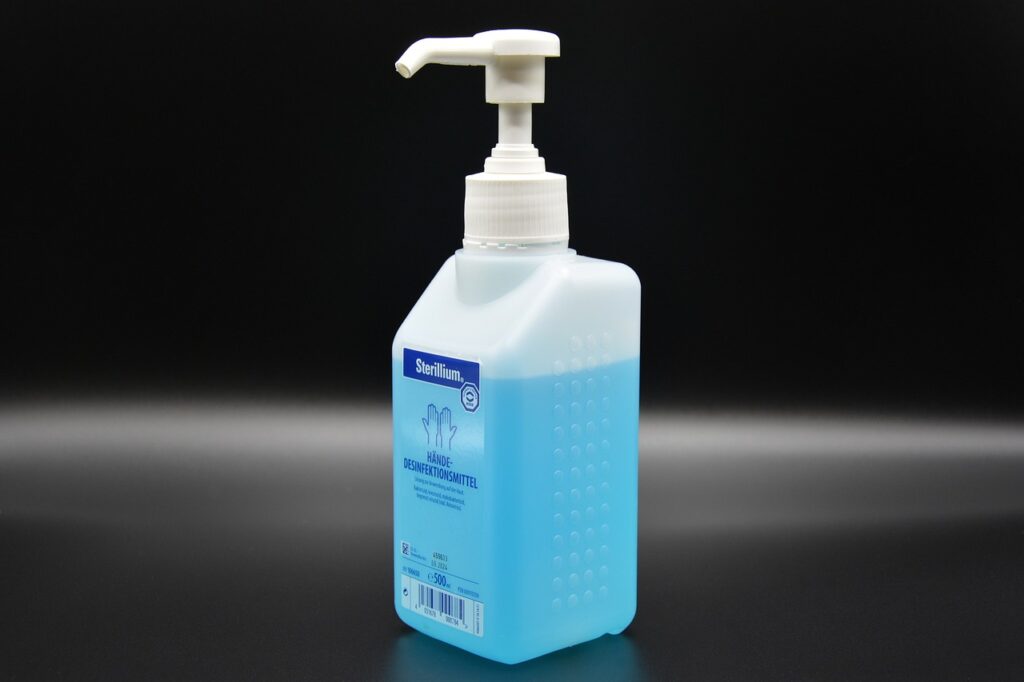
Key Takeaways
- Understand the main symptoms and warning signs.
- Review common risks and prevention options.
- Learn when to seek professional medical advice.
Why Does a Disinfectant Biocide Need More Than a Clean Label?
Choosing a disinfectant biocide is not like buying a normal cleaner from a shop shelf. You are buying a chemical product that has to control the target microorganisms, suit the surface, meet local rules, and still be usable for the people who handle it every day. Fragrance and label design may help a sales meeting, but they do not show whether the product will work in a food plant, public building, warehouse wash area, or healthcare-adjacent space.
Active Substance Defines the Job
The active substance is the part of the formula that kills or controls microorganisms. Quaternary ammonium compounds, chlorine donors, hydrogen peroxide, peracetic acid, alcohols, aldehydes, and phenolics do not work in the same way. Some fit routine hard-surface work, while others are used where biofilm risk is higher. Some act fast, but they may irritate users or attack metals, so the choice is not only about strength.
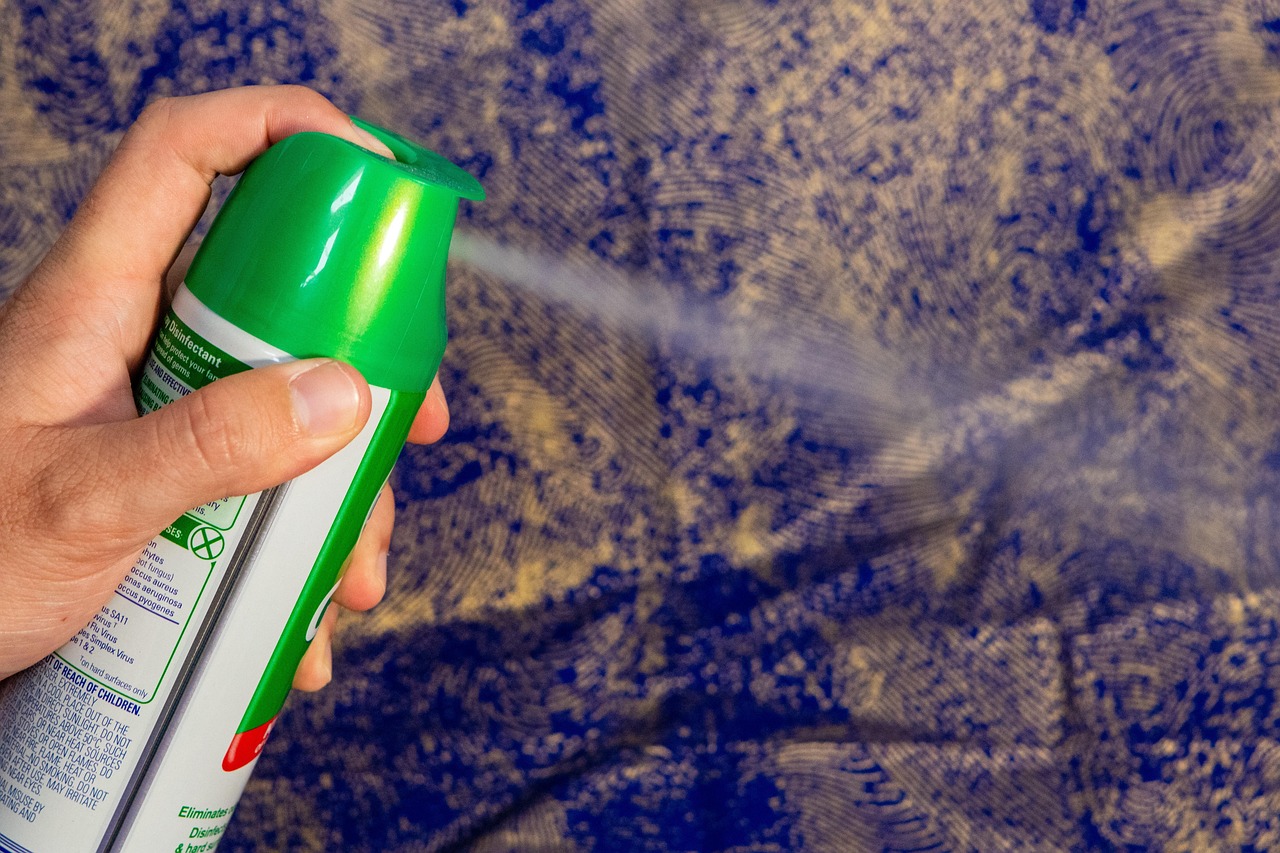
The European Chemicals Agency explains biocides around the active substance and the product authorization route. For that reason, a buyer should ask which active is present, what the concentration is, and which use area it is approved or registered for.
Product Type Sets the Use Area
A disinfectant used on walls and floors may not be suitable for food-contact surfaces. In the same way, a veterinary disinfectant may not be the right choice for office surfaces or public touch points. In the EU Biocidal Products Regulation system, disinfectants fall into product types such as human hygiene, public and private areas, veterinary hygiene, food and feed areas, and drinking water.
That structure gives buyers a simple working rule: match the product to the place where it will be used. If the match is wrong, compliance problems can still appear even when the chemistry looks strong on paper.
Label Claims Carry Legal Weight
Label claims matter in real trade work. If a label says bactericidal, virucidal, fungicidal, tuberculocidal, or sporicidal, that wording should be supported by accepted test data. The U.S. Environmental Protection Agency treats many disinfectants for inanimate surfaces as antimicrobial pesticides under FIFRA.
EPA public registration guidance says products used on inanimate surfaces are generally under EPA pesticide rules, while products used on humans or animals often fall under other law. In plain terms, the label is not decoration; it belongs in the compliance file.
Which Active Ingredients Fit Common Surface Problems?
No single active ingredient is the best answer for every site. A purchasing team normally has to weigh kill spectrum, cost per diluted liter, odor, surface damage, storage life, worker comfort, and local registration. The better first question is not “Which one is strongest?” It is “What problem are we solving, on which surface, and how often will staff use it?”
Quats for Routine Hard Surfaces
Quaternary ammonium compounds are common in commercial cleaning because they are often stable, simple to dilute, and acceptable for routine use. They are widely used on floors, walls, counters, and public-area touch points when the label supports that use. The weak point is also practical: heavy soil, anionic detergents, or poor pre-cleaning can reduce performance.
If your site has grease, protein residue, or muddy traffic, a quat disinfectant may still be suitable. It just needs a cleaning step before disinfection, otherwise the product may not reach the surface properly.
Oxidizers for Faster Broad Spectrum Action
Chlorine, hydrogen peroxide, and peracetic acid are oxidizing chemistries. They can give broad antimicrobial action and are used in food, water, institutional, and industrial settings. The World Health Organization’s public surface-disinfection guidance for non-health-care settings gives a useful reference point: sodium hypochlorite at 0.1 percent, or 1,000 ppm, and alcohol at 70 to 90 percent can be used for surface disinfection in suitable cases.
That number should not be copied into every plant without checking the site conditions. It does show why concentration, target surface, soil level, and use context need to be reviewed together.
Alcohols for Small Fast Drying Areas
Ethanol and isopropanol are often used on small surfaces because they dry fast and leave little residue. They are less suitable for large wet areas because evaporation can shorten the real wet contact time. Alcohols are also flammable, so storage, ventilation, and worker habits have to be controlled.
A small lab bench wipe is one use case. A full warehouse spray-down with alcohol is a very different risk picture, so buyers need to ask not only “Does it kill?” but also “Can people use it safely at this scale?”
How Do Rules Change Between the United States and the European Union?
Export buyers often ask one chemical supplier for a product that can serve several markets. It sounds simple, but disinfectant regulation does not work as one global package. The United States, the European Union, and other markets use different registration wording, test expectations, label rules, and document formats. Before labels are printed or containers are quoted, decide where the product will be sold and who will be the legal registrant.
EPA Registration in the United States
In the United States, disinfectants for hard, inanimate surfaces are commonly regulated by EPA as antimicrobial pesticides. EPA public guidance says registration is meant to show that a pesticide, when used according to its approved labeling, will not cause unreasonable adverse effects to people or the environment. For a buyer, this means the EPA registration number should be checked when the product is sold with U.S. disinfectant claims.
If a supplier cannot explain the claim route, it is better to slow the order down. A low price does not help much if the claim cannot be supported later.
BPR Authorization in the European Union
In the EU, the Biocidal Products Regulation aims to protect humans, animals, materials, and the environment while keeping the biocidal product market working. Public information from ECHA and the European Commission describes a two-step idea: active substances are assessed and approved for relevant product types, and finished biocidal products need authorization before being made available on the market.
For EU trade, a safety data sheet alone is not enough proof of market access. Buyers should check the authorization position before placing private-label or distribution orders.
Import Records That Buyers Ask to See
Professional buyers often ask for a technical data sheet, safety data sheet, product label, active concentration, test report summary, batch certificate, and local registration evidence. For private-label orders, artwork approval and claim review become especially important because the wording on the label can change the regulatory position.
A small wording change can turn a cleaner into a regulated disinfectant claim. It may feel like extra paperwork, but this is where many shipment delays and relabeling costs begin.
What Performance Factors Make or Break Field Results?
Lab efficacy is only one part of the buying decision. On a real site, disinfectant performance can drop because a worker diluted it wrongly, wiped it off too soon, skipped cleaning, used hard water, or applied it on a surface that reacts with the active. The CDC’s disinfection and sterilization guidance lists practical factors such as organic matter, concentration, contact time, temperature, pH, water hardness, and humidity for gaseous products. These are not small details; they often decide whether an audit passes or a complaint starts.
Contact Time Cannot Be Skipped
Contact time means the surface has to stay wet with the disinfectant for the stated period. Ten seconds of wiping is not the same as five minutes of wet exposure. If the label requires a longer time, staff need to apply enough liquid and leave it in place.
In hot rooms, near fans, or on porous surfaces, drying can happen faster than expected. A simple timer near a sanitation station can solve more day-to-day problems than buying a more expensive chemical.
Soil Load Can Steal Active Chemistry
Organic matter such as blood, food residue, pus, fecal material, grease, and general dirt can react with disinfectants or block contact with microbes. CDC guidance describes this as a major reason germicides lose activity. The practical answer is basic but important: clean first, then disinfect. See also: Flocculants.
In food processing, a drain area with protein buildup should not be treated like a clean stainless table. The same label dose can give very different field results when the soil load is different.
Water Quality and pH Shift Results
Dilution water can change how a product behaves. Hard water may reduce the kill rate of some disinfectants because minerals interact with active chemistry. pH can also move activity up or down, depending on the active.
If a plant uses well water or recycled process water for dilution, tell the supplier before the order is fixed. Ask whether the efficacy data was generated with standard hard water, clean water, or another condition, because this small question can prevent a lot of argument later.
How Should You Compare Suppliers Before Placing an Order?
Price per kilogram is easy to compare, but it can give the wrong picture. A cheaper concentrate may need a higher dose, and a strong oxidizer may cost less per liter but shorten the life of sprayers, seals, or metal parts. A supplier with complete documents may cost a little more and still save money during customs review, distributor onboarding, and customer audits. In chemical trade, paperwork is part of the product.
Specification Sheet With Clear Actives
A useful specification sheet should state active ingredients, active percentage, appearance, pH range, density, shelf life, recommended dilution, and main use areas. Vague wording such as “powerful disinfectant liquid” is not enough for a serious buyer. If the product is a blend, ask whether each active has a real job or whether the formula was built mainly for sales wording.
Clear chemistry helps your technical team, sales team, and end users speak the same language. It also reduces back-and-forth when the product is reviewed by a distributor or a large customer.
Packaging That Matches Plant Handling
Packaging should match the way the product is used at the site. A school cleaning contractor may prefer 5-liter or 20-liter containers, while a food plant may want 200-liter drums or IBC totes. Corrosive or oxidizing products need compatible caps, liners, vents, and pallets.
Labels should stay readable after splashes, because warehouse teams and operators rely on them during handling. This may sound like a warehouse detail, but a leaking drum of strong disinfectant can become a safety event very quickly, and nobody wants that call at 6 a.m.
Stable Supply and Batch Traceability
Ask how batches are numbered, how retained samples are kept, and how complaints are traced. A supplier should be able to connect raw material lots, production dates, test results, and shipment documents. For distributors, this matters when a customer reports odor change, low active content, or packaging swelling.
Good traceability does not make a product kill faster. It does make the business safer when something has to be checked after delivery.
What Safety and Handling Details Should You Check First?
A disinfectant biocide is useful because it affects living organisms. That also means poor handling can harm workers, surfaces, wastewater systems, or nearby products. Safety checks should be done before the first order, not after the first incident. Start with the safety data sheet, label precautions, transport class, storage limits, and personal protective equipment needs.
Dilution Instructions for Real Workers
Dilution instructions should be written for real workers, not only for chemists. A good label gives ratios, contact time, target surfaces, and warnings in clear language. Color-coded dosing bottles, wall charts, and closed dilution systems can reduce mistakes.
For strong concentrates, never rely on memory alone. One wrong scoop or capful can cause under-dosing, over-dosing, surface damage, or skin irritation.
Material Compatibility on Site
Check compatibility with stainless steel, aluminum, rubber seals, painted surfaces, plastics, flooring, and nearby electronics. Chlorine products may corrode some metals, and alcohol can affect certain plastics and coatings. Peracetic acid has a strong odor and can be aggressive, while quats can leave residues that may not suit every process.
A small test patch is cheap and quick to arrange. Replacing damaged equipment is not.
Storage Life and Spill Planning
Some actives lose strength during storage, especially when heat, sunlight, contamination, or wrong packaging is involved. Ask for shelf-life data and storage temperature guidance before you commit to volume. Spill planning also matters because workers need to know whether to ventilate, absorb, dilute, neutralize, or isolate the spill area.
If reliable public data for a special formulation is not available, do not guess. Use supplier test data, local law, and qualified safety advice.
FAQ
Q1: Is a Disinfectant Biocide the Same as a Cleaner? A: No. A cleaner removes soil, grease, and visible dirt. A disinfectant biocide is made to control microorganisms on approved surfaces when it is used at the right dose and contact time. Many sites need cleaning first and disinfection after.
Q2: Which Active Ingredient Is Best for Industrial Surfaces? A: It depends on the surface, soil level, target microbes, corrosion risk, odor limits, and local registration. Quats suit many routine hard surfaces, while oxidizers may fit broader or tougher sanitation work. Always check the label and use area.
Q3: Why Does Contact Time Matter So Much? A: The active ingredient needs enough wet time to work. If the surface dries too soon or staff wipe it off early, the product may not reach its claimed performance, even when the concentration is correct.
Q4: Can One Formula Be Sold in Every Country? A: Usually not without separate review. The United States, the European Union, and other markets have different rules for disinfectant claims, registration, product authorization, labeling, and importer responsibility.
Q5: What Documents Should a Buyer Request Before Ordering? A: Ask for the product label, safety data sheet, technical data sheet, active concentration, use instructions, test summary, batch certificate format, and market-specific registration or authorization evidence when required.