How Do You Choose the Best Cooling Tower Biocide for Safer Water Control?
Key Takeaways
- Understand the main symptoms and warning signs.
- Review common risks and prevention options.
- Learn when to seek professional medical advice.
Why Does Cooling Tower Biocide Matter for Industrial Water Safety?
If you operate a tower on a roof, next to a production hall, or beside a chiller plant, cooling tower biocide is not just another chemical on the purchase list. It belongs in the site risk control plan, together with cleaning, scale control, corrosion control, and water testing. For buyers comparing Biocide options, the main question is still practical: does the treatment match your water, your equipment, and the way your team runs the system?
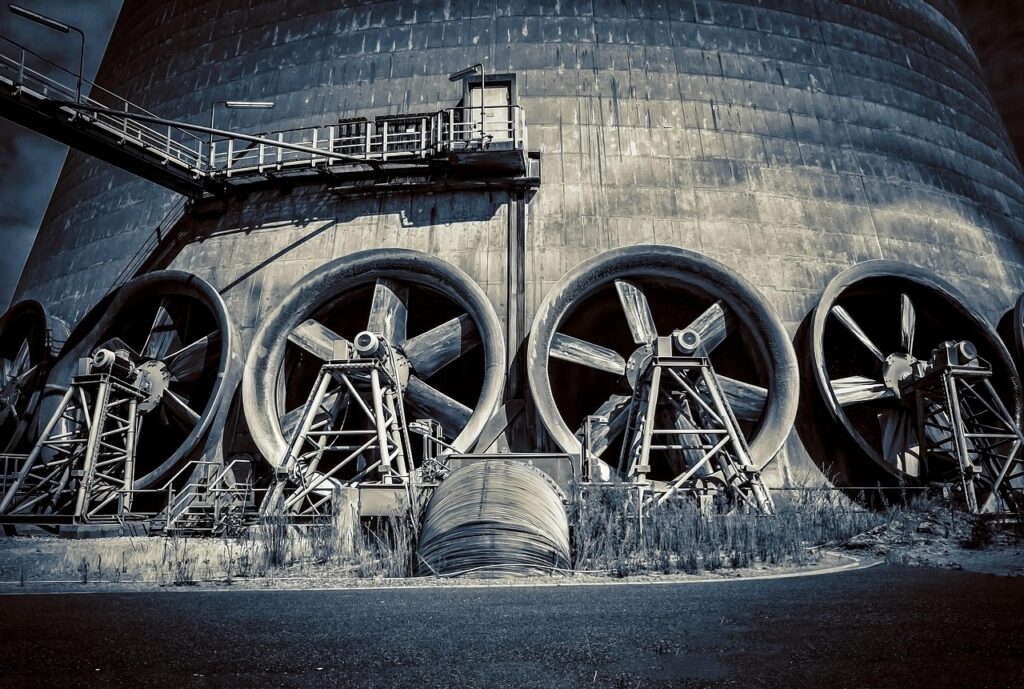
Cooling towers remove heat through evaporation. In daily operation, warm water, air flow, open surfaces, and mist are all present at the same time. The CDC says Legionella can grow in human-made water systems, including cooling towers, and it usually spreads when people breathe mist that contains the bacteria. The same CDC page lists biofilm, 77°F to 113°F water, low disinfectant, and slow or no water movement as growth factors. It is a simple list, but it sounds very familiar to anyone who has opened a tower basin after a long hot weekend. (cdc.gov)
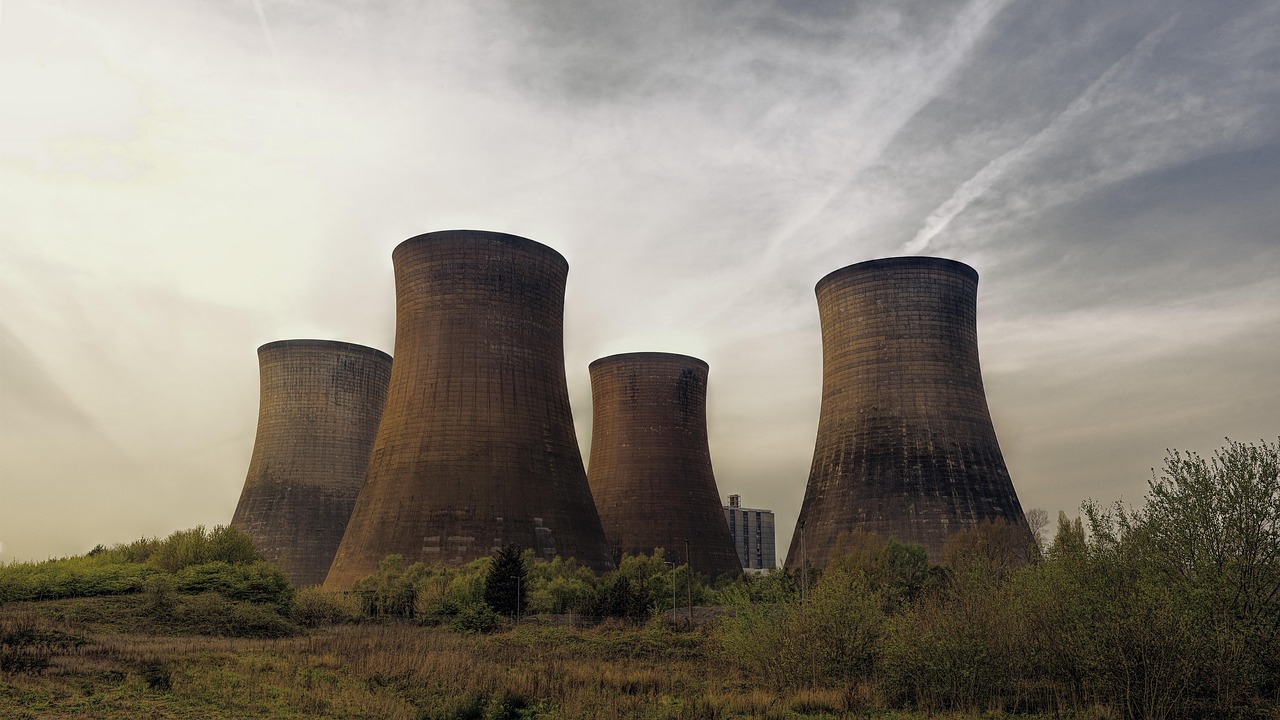
Legionella Risk in Warm Aerosol Systems
Legionella control is often the first reason a site pays close attention to tower biocide. CDC information updated in August 2025 says about 1 out of every 10 people who gets Legionnaires’ disease dies from complications, and the risk is higher for healthcare-associated cases. This does not make every tower a danger by default. It does mean that a poorly maintained tower can become a public health problem, not just a repair issue. (cdc.gov)
Biofilm That Protects Microbes
Biofilm is the slippery layer found on fill, basin walls, strainers, and low-flow areas. Once it is in place, bacteria can stay inside that layer and become harder for treatment chemicals to reach. A biocide program works better when the tower is cleaned first. If the site only adds more chemical without removing dirt and sludge, the test result may improve for a short time, and then the same problem comes back.
Heat Transfer and Operational Losses
Microbial fouling also reduces heat transfer. Slime and algae restrict flow through fill, plug strainers, and make pumps and fans work harder. Operators may see higher condenser temperature, more blowdown, or green staining around splash areas. These signs are easy to overlook, but they show that the biocide is protecting both people and the basic cooling duty of the system.
Which Cooling Tower Biocide Types Fit Common Systems?
No single biocide fits every cooling tower. Makeup water, pH, cycles of concentration, organic load, metallurgy, discharge limits, and weather all affect the choice. Many working programs use more than one active chemistry, because tower conditions do not stay the same every week. Rain gets in, dust gets in, a plant stops for maintenance, and then a hot Monday can give microbes the right conditions to grow.
Oxidizing Treatments for Daily Control
Oxidizing biocides are widely used for routine tower control. Chlorine, bromine chemistry, stabilized halogen products, chlorine dioxide, ozone, and peroxide-based products all attack microbes by oxidation. OSHA notes that halogen oxidizers, ozone, peroxides, and non-oxidizing biocides can help control Legionella when properly used, while clean water is important because high organic matter and dissolved solids reduce biocide effect. OSHA also notes that chlorine above 0.5 ppm may prevent bacterial growth in tower water when pH is below 8.0, while bromine depends less on pH than chlorine. (osha.gov)
Non Oxidizing Biocides for Rotation
Non oxidizing products are often used as slug feeds or rotation partners. Common industrial choices include isothiazolinones, DBNPA, glutaraldehyde, THPS, and quaternary ammonium compounds, depending on local registration and the tower water profile. The right choice depends on contact time and the organism problem at the site. For example, a fast-acting product may suit a system with short holding time, while a product with longer effect may fit a tower that has occasional biological growth.
Compatibility with Scale and Corrosion Programs
Your biocide does not work by itself. It comes into contact with dispersants, phosphonates, azoles, pH adjusters, antifoams, and sometimes process leaks. If a supplier only talks about kill rate in clean lab water, ask how the product behaves with your inhibitor package. Also ask about copper alloys, galvanized steel, stainless steel, elastomers, and feed pump tubing, because compatibility only feels minor until a seal fails or a copper coupon changes color.
How Should You Build a Practical Dosing Program?
A practical dosing plan starts with the tower you actually have, not a clean tower in a sales brochure. The plan should state what to feed, where to feed it, how often to test, what limits need action, and who records the result. If nobody takes ownership of those points, even a strong biocide can be wasted.
Baseline Water Quality Checks
Start with a baseline. Test pH, conductivity, hardness, alkalinity, chloride, sulfate, iron, turbidity, temperature, and microbial activity. Add visual checks for slime, algae, sediment, drift eliminator condition, and basin cleanliness. In many plants, the first useful warning is not a lab number; it is a brown basin, a plugged side-stream filter, or a tower cell that smells bad after shutdown.
Continuous Feed and Shock Dosing
Continuous oxidizer feed gives day-to-day control, while planned shock dosing can help with biofilm and more resistant growth. The balance depends on holding time and risk level. A hospital, food plant, data center, or large public building may need tighter control than a small seasonal industrial tower. Do not copy a dose from another site unless the water and operating pattern are really close. There is no reliable public benchmark dose for all cooling towers, because tower volume, blowdown rate, demand, and chemistry vary too much.
Records That Prove Control
Keep a simple log. It should include chemical feed, residual readings, pH, conductivity, dip slide or ATP results if used, cleaning dates, inspection notes, and corrective actions. OSHA lists records such as system descriptions, written operation and maintenance procedures, biocide or chlorine use, inspection and disinfection dates, sampling results, and monitoring work. A logbook may look plain, but during an audit it often explains the site history better than any sales sheet.
What Should You Watch Before Choosing a Supplier?
Price matters. Even so, the lowest drum price can turn expensive if the product foams, fails in high pH water, arrives late, or comes without clear documents. A better buying process checks the chemistry, label status, packing, and support before the purchase order is signed.
Label Claims and Local Rules
For the U.S. market, antimicrobial pesticides that claim to kill harmful microbes must be registered with EPA before sale or distribution under FIFRA. EPA released final guidance on August 28, 2024 for testing antimicrobial efficacy claims against Legionella pneumophila in cooling tower water. The same EPA notice says six community-associated Legionnaires’ disease outbreaks in New York City since 2006 resulted in 213 cases and 18 deaths, and it describes cooling towers as potential breeding grounds when poorly maintained. These points are not just regulatory wording; they affect what a buyer can legally order and use in the destination market. (epa.gov)
Site Conditions That Change Performance
Ask the supplier to review your water conditions before they quote. High pH may make bromine a better fit than chlorine in some towers. High organic load can consume oxidizers quickly, and heavy scale can hide microbes from the treatment. Process contamination can also change the water overnight. If the supplier cannot explain these points in plain language, treat it as a warning sign, because you need a treatment partner and not only someone reading a label.
Packaging, Storage, and Handling
Check drum size, IBC availability, shelf life, freezing point, venting needs, and separation from incompatible chemicals. Oxidizers and reducers should not be stored in a random corner like spare pipe fittings. Safety data sheets, labels, and local transport documents should be ready before shipment. This paperwork feels small until a customs hold or safety inspection delays a critical refill. See also: Flocculants.
When Does a Cooling Tower Need Corrective Action?
Corrective action should not wait until there is a crisis. A workable plan sets trigger points. When a test result or site condition crosses the limit, the team cleans, adjusts feed, retests, or calls a qualified water treatment professional. Speed matters, because biofilm will not wait for next month’s service visit.
Rising Microbial Counts or Biofilm
If bacteria counts rise, algae shows up, or slime returns soon after treatment, the system needs attention. Increase monitoring first, then review residual, pH, feed pump operation, bleed control, and tower cleanliness. In some cases, cleaning the basin and fill gives more benefit than simply increasing the biocide dose. Dirty surfaces keep feeding the problem and make the chemical work harder.
Stagnation After Shutdown
Seasonal towers and standby cells need extra care. Stagnant water, warm weather, and low disinfectant make a poor combination. OSHA guidance for cooling towers includes cleaning and disinfecting at least twice a year, normally before startup and after shutdown, and cleaning systems that have been out of service for an extended period. That schedule should be treated as a minimum reference, not as a reason to ignore a tower that is already visibly dirty.
Changes in Makeup Water
Municipal supply changes, well water shifts, reclaimed water, construction dust, and nearby process leaks can all change biocide demand. If your makeup water changes, test again and review the program. A tower that ran clean in spring may behave very differently in August. The HSE in the United Kingdom describes evaporative cooling control as a treatment program covering microbial control, corrosion, scale, fouling, physical cleanliness, biocides, inspection, disinfection, and water quality monitoring. That wider view is useful for buyers in many markets. (hse.gov.uk)
How Can Buyers Compare Cooling Tower Biocide Offers?
A clear comparison keeps the team from buying only by active percentage or drum price. Ask each supplier for the same information and put the offers side by side. The difference usually appears quickly: one offer gives useful details, while another is only a low number on a quote sheet.
Active Chemistry and Concentration
List the active ingredient, concentration, form, recommended feed range, contact time, pH range, and whether the product is oxidizing or non oxidizing. Also ask for limits. A serious supplier should tell you where the product does not work well. That kind of direct answer helps, especially for export projects where water quality may not match the original design.
Total Cost in Real Operation
Total cost includes dose, feed frequency, blowdown impact, testing needs, labor, cleaning frequency, freight, and storage. A product with a higher price per kilogram may still cost less if it reduces manual shock feeding or keeps the tower cleaner. On the other side, a strong product used without monitoring can become an expensive guess. The cost review should follow the actual operating pattern, not only the price list.
Technical Support After Delivery
Ask what support is available after delivery. Can the supplier help set up dosing points? Can they review microbial trends and help with startup, shutdown, and upset conditions? A practical supplier should also support safe handling training. The best biocide program is usually steady, recorded, and quiet in daily work.
- Confirm the active chemistry and registration status for your destination market.
- Match the product to pH, organic load, system volume, and holding time.
- Use cleaning, side-stream filtration, and dispersants where biofilm is present.
- Set written limits for residual, pH, microbial results, and corrective action.
- Keep records that show what was done, when it was done, and what changed.
FAQ
Q1: What Is the Best Cooling Tower Biocide? A: The best choice depends on your water quality, pH, tower design, local rules, and microbial risk. Many systems use an oxidizing biocide for routine control and a non oxidizing biocide for periodic rotation.
Q2: Can Biocide Replace Tower Cleaning? A: No. Biocide works better when sludge, scale, and biofilm are removed. Cleaning exposes surfaces and lowers the organic load that consumes treatment chemicals.
Q3: How Often Should a Cooling Tower Be Treated? A: Many towers need continuous or frequent oxidizer control plus planned shock treatment, but the exact plan should be based on testing, operating hours, and risk level.
Q4: Why Does pH Matter for Biocide Performance? A: pH changes how some oxidizers behave. Chlorine is more sensitive to higher pH, while bromine often works better in alkaline tower water.
Q5: What Should You Ask Before Ordering Biocide in Bulk? A: Ask for active chemistry, label status, SDS, shelf life, storage rules, recommended feed range, compatibility notes, and support for dosing and monitoring.