
What Are the Different Types of Flocculants and Which One Works Best?

Key Takeaways
- Understand the main symptoms and warning signs.
- Review common risks and prevention options.
- Learn when to seek professional medical advice.
What Are the Different Types of Flocculants?
Choosing between different types of flocculants is not only a lab question. It changes settling speed, sludge volume, water clarity, filter run time, and daily chemical cost. In a working plant, a small change in polymer charge or metal salt dosage can clear up an overflow, or it can leave weak floc moving around the clarifier for hours. Most buyers start with the flocculant family, then check charge, molecular weight, dosage form, and trial results before they order in bulk.
Public sources usually place flocculants and related coagulants into several main groups. Reviews in ScienceDirect and PubMed Central often mention inorganic metal salts, synthetic organic polymers, and natural or bio based products. The U.S. EPA also includes coagulation and flocculation as treatment steps for removing suspended solids, and sometimes soluble metals, from industrial wastewater treatment. The best choice depends on what is in the water and how the water reacts on your site.
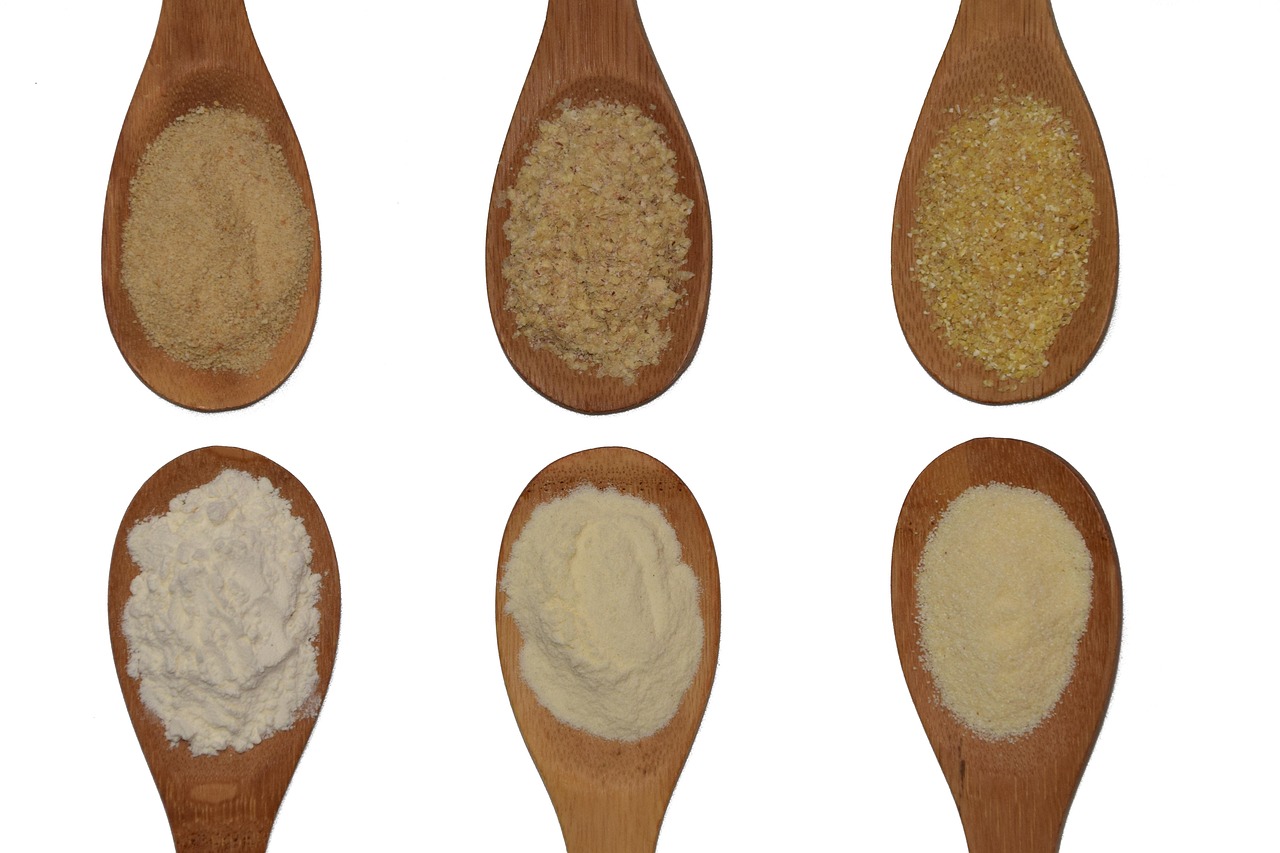
Inorganic Metal Salt Flocculants
Inorganic products include aluminum sulfate, ferric chloride, ferric sulfate, polyaluminum chloride, lime, and related metal salts. Many plant teams call them coagulants, but they often work in the same line as flocculants. Their main role is to lower the electrical charge around fine particles. After that charge barrier drops, the particles can meet each other and form visible floc.
WHO drinking water guidance lists aluminum sulfate, ferric sulfate, and ferric chloride as common chemicals for coagulation, flocculation, and sedimentation. EPA drinking water guidance also names alum, aluminum chloride, ferric sulfate, and ferric chloride as common inorganic coagulants. Plants use these products because operators know them, suppliers can ship them in bulk, and they often work well on turbidity, color, phosphorus, and some metals.
Synthetic Organic Polymer Flocculants
Synthetic polymers are long chain molecules that catch small particles and help form larger flocs. Polyacrylamide, often called PAM, is the main base chemistry in many plants. It can be anionic, cationic, nonionic, or amphoteric. Buyers may see it sold as powder, emulsion, dispersion, or liquid solution.
Organic polymers often need a lower dosage than metal salts. In sludge dewatering, a few kilograms per dry ton of solids can change cake dryness and centrate clarity. In a clarifier, the right polymer can make floc heavier and easier to settle. The risk is also clear: the wrong charge, poor dilution, or bad feed point can make performance worse instead of better.
Natural and Bio Based Flocculants
Natural flocculants include chitosan, starch derivatives, tannin based products, sodium alginate, cellulose derivatives, lignin products, and microbial flocculants. A PubMed Central review on natural based coagulants and flocculants notes their use for colloidal particles, dyes, heavy metals, and organic matter in industrial wastewater.
These products can fit projects where biodegradability, lower residual toxicity, or a greener label is part of the buying decision. They are not automatic replacements for every plant, so testing still matters. Some natural products react to pH, storage time, biological growth, and raw water changes. For export buyers, shelf life and transport temperature should be checked early. A drum left in a hot warehouse for three months can give a different result from a fresh sample.
How Do Flocculants Actually Make Solids Settle?
Flocculation looks simple when viewed from outside the plant. Add chemical, mix it, wait, and let the solids settle. In real operation, several actions often happen together. The balance changes with pH, alkalinity, suspended solid type, oil content, salinity, and mixing energy. That is why two waters with the same turbidity reading may need different products.
Charge Neutralization
Most fine particles in water carry a surface charge. This charge keeps them apart, like small magnets that do not want to touch. Metal salts and cationic polymers can reduce or neutralize that repulsion. Once the charge barrier becomes weaker, particles start to hit each other and form microfloc.
This action is common in drinking water pretreatment, dye wastewater, and many oily waste streams. If a strong cationic product is overdosed, the charge can reverse and the particles can become stable again. A jar test usually shows this quickly. The water clears at one dose, then turns hazy again when the dose is pushed too high.
Polymer Bridging
Polymer bridging happens when long polymer chains attach to more than one particle. The chain works like a soft net between solids. High molecular weight anionic or nonionic PAM often works this way after a coagulant has already weakened the particle charge.
EPA pesticide treatment guidance gives a useful process example. Nonionic and anionic polymers can strengthen flocs when used with alum, with reported alum to polymer ratios in older EPA guidance from about 100:1 to 50:1. This is not a fixed recipe for every plant. It only shows why polymer is often used as a coagulant aid, not always as the only chemical.
Sweep Floc Formation
Sweep floc forms when metal hydroxide precipitates make a loose, bulky mass that catches small particles while it settles. Alum and iron salts often work this way when pH and alkalinity are in the right range. This method is common in surface water treatment and in some metal bearing wastewater.
The main benefit is good removal of fine suspended solids. The tradeoff is extra sludge. A review in PubMed Central gave an example of an alum based water treatment facility with a 190 million liter per day capacity producing at least 3 tonnes of solid waste daily. That number belongs to one case, but it is a good reminder to count sludge handling cost, not only chemical price.
Which Flocculant Types Fit Common Industrial Applications?
Each industry has its own water problem. Mining slurry is not the same as textile dye bath, and paper white water is not the same as municipal sludge. Product selection usually starts with the suspended matter. Then the equipment must be considered, such as a clarifier, dissolved air flotation unit, belt press, centrifuge, filter press, or tailings thickener.
Municipal and Drinking Water Treatment
Municipal water plants often use aluminum or iron salts, sometimes with a small dose of polymer. WHO describes coagulation, flocculation, sedimentation, and filtration as key steps for particle and microbe removal in safe drinking water treatment. In wastewater plants, polymers are widely used for sludge thickening and dewatering.
For potable water, compliance is as important as performance. Buyers need products that meet local drinking water chemical standards and have controlled impurities. Residual monomer in polyacrylamide is a real quality point, especially when the treated water may have human contact. A low price does not help if the product cannot pass local approval.
Mining and Mineral Processing
Mining uses flocculants in tailings thickening, concentrate recovery, coal washing, leach circuits, and recycled water loops. High molecular weight anionic PAM is common because many mineral particles respond well to anionic bridging after pH and ionic strength are set.
In a tailings thickener, the target may be clear overflow and dense underflow. In coal washing, the target may be fast settling and clean recycle water. Small changes in slurry solids, clay content, or dissolved salts can change the best polymer grade. Lab testing helps, but the plant trial is still the final check.
Paper, Textile, and Sludge Dewatering
Paper mills use flocculants for retention, drainage, dissolved air flotation, and wastewater clarification. Textile plants may need color removal, suspended solid removal, or support after biological treatment. Cationic products, polyDADMAC, polyamines, PAC, ferric salts, and PAM blends all appear in these systems.
For sludge dewatering, cationic PAM is often selected because biological sludge usually carries a negative charge. Better floc can improve cake release and reduce polymer carryover. A good operator checks cake dryness, filtrate clarity, belt blinding, odor, and even how the sludge feels by hand. That sounds old style, but plant teams still use those signs because they match daily operation. See also: Inhibitors.
How Should You Choose Between Anionic, Cationic, and Nonionic Polymers?
Polymer charge is one of the main buying points. It controls how the molecule works with particles, fibers, biological sludge, clays, oils, and metal hydroxides. The product name alone is not enough. Two anionic PAM grades can act very differently if molecular weight, charge density, or physical form is different.
Wastewater Charge and Solid Type
Anionic polymers often work well with mineral slurries, sand washing, many metal hydroxide systems, and as coagulant aids with alum or iron salts. Cationic polymers are common for municipal and industrial biological sludge, oily wastewater, and negatively charged colloids. Nonionic polymers can help where charge conditions move around or where high salt reduces charge effects.
If the wastewater contains surfactants, oils, dyes, or high conductivity, do not assume a standard grade will work. Take a fresh sample because old samples change fast. Biological sludge can shift within one day, and textile wastewater may change when the production color changes. A sample from last week may not represent today’s feed.
Molecular Weight and Dosage Range
Higher molecular weight usually gives stronger bridging and larger floc, but it also needs proper dilution and mild mixing. Too much shear can damage the chain or break the floc. Lower molecular weight products may mix faster and can suit some charge neutralization jobs.
Older EPA drinking water exposure guidance reported typical polymer dosage ranges around 1.5 to 10 mg/L in certain treatment examples. Use that as background information, not as a design number. Real industrial use may be lower or higher than that range, especially in sludge dewatering, mining, and high solids wastewater. The final dosage should come from testing with the actual water.
Jar Testing and Field Trial Checks
A jar test should compare at least three product types and several dosages. Watch the speed of pin floc formation, floc size, settling rate, supernatant clarity, sludge blanket volume, and how easily the floc breaks during mixing. Do not choose only by the clearest beaker after five minutes.
A short field trial should then check feed pump stability, dilution water quality, injection point, mixer speed, pH, and downstream equipment. If the trial uses a powder polymer, allow enough aging time after make down. Many plants lose performance because the polymer was not fully hydrated before dosing. This is a common site issue, not a polymer chemistry issue.
What Safety, Handling, and Cost Factors Matter?
The cheapest product per kilogram is not always the lowest cost option. A higher priced polymer may cut dosage, reduce sludge hauling, lower filter cleaning, or improve water reuse. At the same time, an easy product on paper can become costly if it gels in the tank, freezes during shipping, or needs handling that the plant cannot manage.
Residual Monomer and Product Quality
Polyacrylamide itself is a polymer, but residual acrylamide monomer is regulated and watched because of health concerns. Health Canada has stated that acrylamide release from polyacrylamide mainly comes from residual free acrylamide, not breakdown of the polymer under normal conditions. For buyers, the practical step is clear. Ask for specification sheets, residual monomer data, and the correct certification for the end use.
For drinking water and food contact related systems, local rules decide what can be used. Do not replace a potable water grade with an industrial mining polymer just because the jar test looks good. The plant may get clear water, but the product may still fail approval. Quality paperwork should be checked before the shipment, not after arrival.
Storage, Make Down, and Mixing
Powder PAM can save freight cost, but it needs a proper wetting system, aging tank, and trained operators. Emulsion PAM is easier to feed in many plants, but it needs inversion, shelf life control, and sometimes more attention to surfactants. Inorganic salts are usually simpler to dose, although they may be corrosive and add dissolved solids.
Mixing is easy to miss during product selection. Fast mixing helps spread coagulants through the water. Gentle mixing helps floc grow without breaking. Too little mixing gives fisheyes and poor contact, while too much mixing breaks floc. Even a good chemical cannot fix a poor injection point every time.
Sludge Volume and Total Treatment Cost
Metal salts can create more chemical sludge. Polymers can lower dosage and improve dewatering, but overdosing can cause slippery sludge, cloudy filtrate, or high carryover. Natural products may support sustainability targets, but supply stability and unit cost still need checking.
Grand View Research reported in 2024 that the global flocculants and coagulants market is projected to reach USD 16.61 billion by 2030, with a 3.9% CAGR from 2024 to 2030, and the flocculants segment expected to grow at 4.1%. That market figure does not select the right product for your plant. It does show why many sites are testing more grades instead of fewer. Water reuse, stricter discharge limits, and sludge disposal cost keep pushing buyers to choose chemicals more carefully.
- Use inorganic salts when charge neutralization, phosphorus removal, color reduction, or sweep floc is needed.
- Use synthetic polymers when fast settling, strong bridging, or better sludge dewatering is the main goal.
- Use natural flocculants when environmental profile, biodegradability, or special discharge concerns carry extra weight.
- Always confirm with jar tests and plant trials before bulk purchase.
FAQ
Q1: What are the main different types of flocculants? A: The main types are inorganic metal salts, synthetic organic polymers, and natural or bio based flocculants. In actual treatment lines, they are often used together.
Q2: Is anionic or cationic flocculant better? A: Neither one is always better. Anionic polymers often suit mineral slurries and coagulant aid duties, while cationic polymers often suit biological sludge and negatively charged colloids.
Q3: Can one flocculant work for all wastewater? A: No. pH, solids type, oil, salt, temperature, and equipment all change the result. A jar test and a short field trial are the safer route.
Q4: Why does polymer flocculant sometimes fail? A: Common causes include wrong charge, poor dilution, short aging time, overdose, strong shear, old wastewater samples, and a poor injection point.
Q5: Are natural flocculants always safer? A: Not always. They may have a better environmental profile, but safety still depends on the exact product, impurities, dosage, storage, and local rules for the treated water.