
Are Rust Inhibitors for Cars Worth It in Salt Belt Winters?

Key Takeaways
- Understand the main symptoms and warning signs.
- Review common risks and prevention options.
- Learn when to seek professional medical advice.
Do Rust Inhibitors for Cars Really Work?
Rust inhibitors for cars work when they are used as part of normal vehicle care, not as a one-time miracle spray. If a vehicle runs in snowy states, near the coast, on gravel roads, or around fertilizer and industrial dust, the underside sees salt, moisture, grit, and heat cycles. That mix usually starts at seams, brackets, and folded edges. For more background on corrosion-control chemistry, see the Inhibitors category.
A good inhibitor slows the attack by leaving a film that sheds water, limits oxygen on bare metal, or adds corrosion-active compounds to help the surface resist oxidation. It cannot rebuild thin brake lines, and it cannot make a flaky frame safe again. That is the part some sales talk leaves out. The best results usually come from early use, clean metal, and a check before winter gets rough.
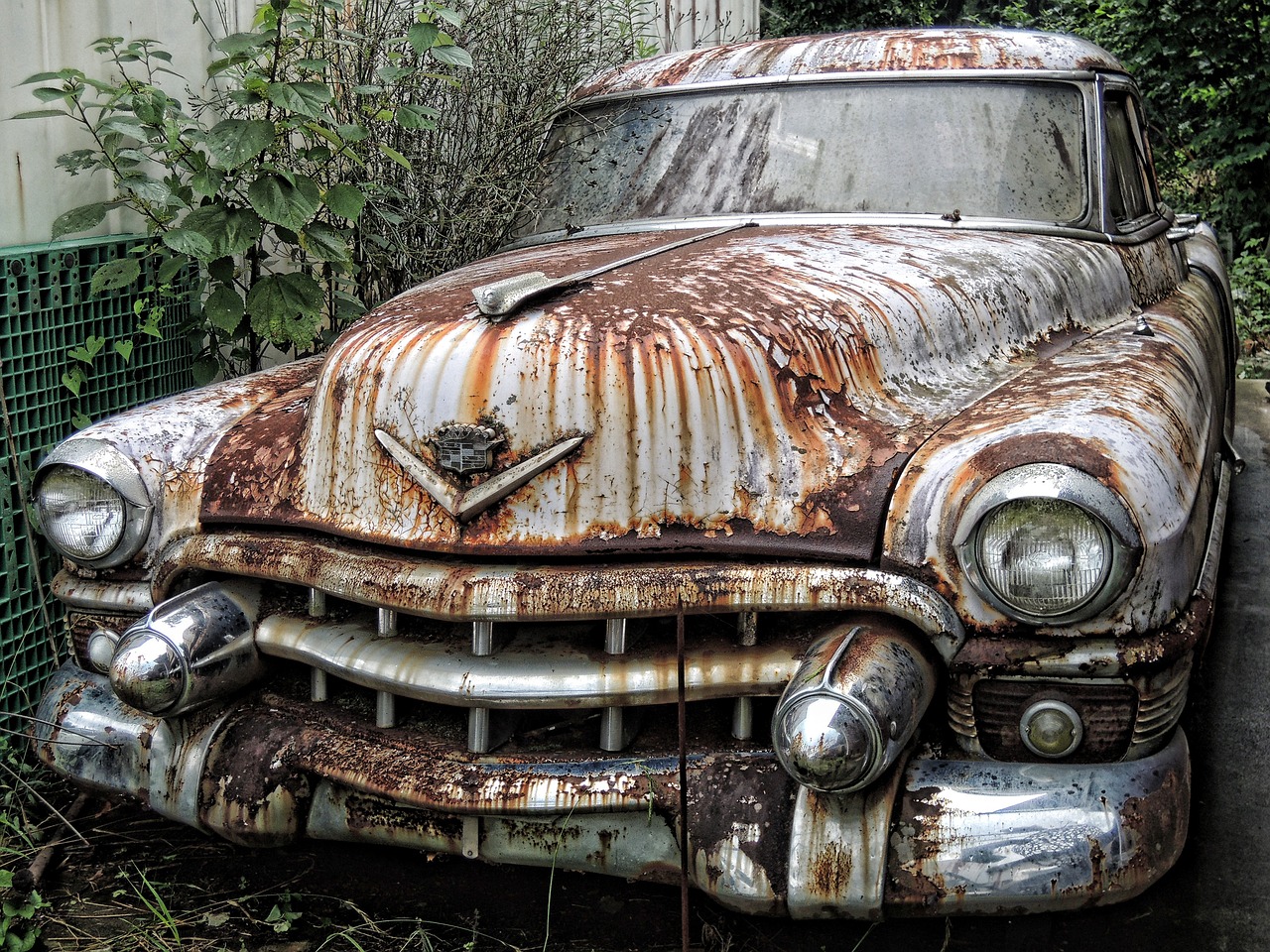
They Slow Moisture and Salt Contact
Steel needs moisture and oxygen before it starts to corrode. Road salt makes that moisture more conductive, so the reaction moves faster. The U.S. EPA has noted that rock salt can corrode cars, trucks, bridges, and roads, with large repair costs across the country. This is why a thin oily or waxy inhibitor film has value. It helps keep salty water off the steel, mainly around welds, folded seams, brackets, and the lip of wheel arches.
They Protect Hidden Seams and Cavities
Paint and factory e-coat do a decent job on open panels, but rust often starts in places that are hard to see. Rocker panels, drain holes, door bottoms, subframe pockets, spring mounts, and bolt-on brackets all catch dirty brine. These spots also dry slowly after a storm or a wash. Cavity waxes and creeping oil-based inhibitors help because they move into seam edges. A thick coating on the outside may look clean, but the edge inside the seam can still be exposed.
They Need Regular Inspection
No rust inhibitor lasts forever on a daily driver. Tire spray, car washes, hot exhaust parts, and road grit all wear the film down over time. A fall inspection and a spring wash are not complicated, but they do make a difference. If the film is dry, cracked, washed off, or packed with dirt, clean the area and touch it up. Many poor results come from skipping that follow-up.
Why Do Cars Rust Faster in Winter?
Winter rust is not caused by cold weather alone. Cold air can slow some reactions, but winter roads add chloride salts, wet slush, and freeze-thaw cycles. A car can stay wet for hours after a short drive. If it is parked in a warm garage, the slush melts and runs into seams. That is comfortable for the driver, but it can be hard on the vehicle.
Road Salt Creates Conductive Brine
Sodium chloride is used often because it is low cost and works well for ice control. Federal Highway Administration road weather materials cited U.S. Geological Survey data showing U.S. road deicing salt consumption reached 20.4 million tons in 2013, a heavy-use year. The number changes from one winter to the next. The point is still clear: a lot of chloride ends up on roads, cars, garages, and wash bays every winter.
Warm Garages Can Speed Wet Corrosion
A heated garage sounds harmless, and nobody wants frozen door seals at 7 a.m. Still, when salty snow melts under the car, brine runs into seams and stays active. If the underside does not dry, corrosion gets more time to work. You do not have to leave the car outside all winter. Just keep in mind that warmth, salt, and trapped moisture are a bad mix, especially for older trucks and high-mileage cars.
Chips and Scratches Expose Bare Steel
Modern vehicles have better coatings than cars built decades ago, but stone chips still happen. Gravel roads, tire-thrown sand, curb strikes, and lift points can break paint or factory underbody protection. Once bare steel is open, rust inhibitors have a clear job. Small chips should be cleaned, dried, and covered before winter. If orange rust spreads under paint, the repair usually needs more sanding and more money.
Which Type of Rust Inhibitor Should You Choose?
The right product depends on the part of the car, the age of the metal, and the driving area. A new SUV in Ohio does not need the same plan as a ten-year-old pickup with surface rust in Maine. Look at the chemistry, the film type, and where the product will sit after application.
Oil-Based Films for Seams
Oil-based rust inhibitors creep well. They can move into pinch welds, spot-welded seams, threaded areas, and frame openings. This is why many shops use them on underbodies and cavities. They are not the cleanest products, and they can hold dust, but that tacky film is useful in seam areas. Reapplication is usually needed because rain, road spray, and washing slowly remove it. Do not spray heavy oil on belts, brakes, exhaust, tires, or oxygen sensors.
Wax-Based Coatings for Longer Film Life
Wax-based products dry to a firmer film than light oils. They fit rocker cavities, door bottoms, frame interiors, and protected underbody areas. A good cavity wax resists dripping after it sets, which keeps the job cleaner. The trade-off is surface prep. Wax over wet dirt is not protection; it is just dirt sealed in place. For better results, the surface should be clean, dry, and free of loose rust scale.
Water-Based Inhibitors for Cleaner Handling
Water-based inhibitor systems are common in industrial metalworking, packaging, and temporary protection. In automotive care, they can help where low odor and easier cleanup matter. They may suit parts storage, service shops, or clean metal surfaces before assembly. For exposed car underbodies, read the product data before using them. You need water resistance, salt-spray performance, and compatibility with existing coatings, not just a neat label.
How Should You Apply Rust Inhibitors Safely?
The way the product is applied often decides whether it pays off. Spraying over mud and wet salt is usually wasted work. The goal is simple: remove what feeds corrosion, dry the surface, and put the inhibitor where water normally sits.
Clean and Dry Before Spraying
Start with a full rinse, including wheel wells, the rear bumper cavity area, fuel tank straps, suspension pockets, and frame rails if they can be reached. Consumer Reports, updated February 13, 2026, advised a monthly wash during snow season, or more often when a vehicle is coated with salt, and recommended cleaning the undercarriage. For inhibitor work, washing is only the first step. Let the car dry well before applying film products.
Mask Brakes, Exhaust, and Sensors
Rust protection should not create a safety issue. Keep sprays off brake rotors, pads, calipers, parking brake shoes, tire tread, exhaust manifolds, catalytic converters, rubber drive belts, electrical connectors, and camera or driver-assistance sensors. On electric and hybrid vehicles, avoid high-voltage parts unless the vehicle maker or a trained technician gives a clear procedure. A controlled job is better than a heavy, messy job.
Use Thin, Even Coats
More product is not always better. Thick and uneven layers can trap grit, block drains, or drip for days. Thin coats reach seams better and are easier to refresh later. Use extension wands for cavities and keep drain paths open after spraying. If the car already has heavy flaking rust, remove loose scale first. Spraying over rust flakes leaves air gaps, and corrosion continues underneath. See also: Flocculants.
What Should You Avoid When Treating Car Rust?
Some rust-prevention mistakes cost money because they hide the problem. A black undercoat can make a rough frame look clean in a sale photo, but looks do not stop corrosion. Pick products and steps that still let you inspect the vehicle later.
Rubberized Coating Over Active Rust
Rubberized undercoating can work on clean metal that has been prepared correctly. It is risky when it is sprayed over active rust. If moisture gets behind it, the coating can trap brine against the steel. The outside looks sealed while the metal inside gets worse. If a frame has scaling rust, a mechanic or body shop should check the structure first. Rust inhibitor is not a replacement for metal repair.
Blocked Drain Holes and Seams
Door bottoms, rocker panels, tailgates, and trunk lids need drain holes. If wax, thick coating, or dirt blocks them, the cavity can turn into a water pocket. After application, check that the drains still run clear. This is a small detail, and it is easy to miss in a cold shop with gloves on. It can still decide whether a panel stays solid.
One-Time Treatment with No Follow-Up
A one-time treatment can help, but winter driving is hard on any film. Plan a quick visual check each fall and spring. Look for dry patches, fresh orange rust, crushed lift points, damaged seam sealer, and missing plugs. The Federal Highway Administration’s 2002 corrosion cost study estimated the direct cost of U.S. corrosion at $276 billion per year, including major transportation costs. Follow-up costs far less than repair.
When Are Rust Inhibitors Worth the Cost?
Rust inhibitors make the most sense when the vehicle still has sound metal and sees regular chloride exposure. If the car is already weak in the structure, spend the money on inspection and repair first. If the underside is still fairly clean, protection can buy time and reduce unpleasant repairs later.
High-Value Vehicles in Salt States
Late-model cars, work trucks, vans, and SUVs often justify annual or seasonal rust protection when they live in the Salt Belt. Brake lines, fuel lines, subframes, and suspension hardware are expensive to replace. The National Highway Traffic Safety Administration has investigated and documented brake pipe corrosion concerns in salt states. That shows corrosion is not only a cosmetic issue when safety parts are involved.
Older Cars with Solid Structure
An older car with light surface rust can still benefit from inhibitors. Clean the underside, remove loose rust, treat exposed steel, and keep seams coated. Do not chase a perfect-looking underside if the car is a daily driver. The real goal is to slow the spread and make future repairs easier. A mechanic’s lift inspection before winter is a smart step. This matters more if the car tows, carries family, or spends many miles on highways.
Coastal and Industrial Areas
Salt is not only a snow-state problem. Coastal air carries chloride, and industrial areas may add acidic deposits or metal dust. Cars parked near the ocean can rust even without winter deicing. In these areas, lighter but more frequent washing and cavity protection can help. If there is no reliable public data for a local exposure, use a regular visual inspection schedule instead of guessing.
FAQ
Q1: How Often Should You Apply Rust Inhibitors for Cars? A: Many daily drivers in salt-heavy areas need a yearly check and touch-up before winter. Some oil-based films may need annual reapplication, while firmer wax products can last longer in protected cavities. Always follow the product data sheet and inspect wear areas.
Q2: Can Rust Inhibitors Stop Existing Rust? A: They can slow light surface rust after cleaning, but they cannot restore metal that has thinned, cracked, or flaked badly. Structural rust needs repair or replacement. Treat inhibitors as prevention and slowdown, not a cure.
Q3: Should You Wash the Undercarriage After Applying an Oil Film? A: Gentle rinsing is usually fine after the film has had time to settle, but aggressive high-pressure washing can remove protection. During winter, wash salt off when buildup is heavy, then inspect the coating later. Avoid blasting seams at close range.
Q4: Are Rust Inhibitors Safe for New Cars? A: They can be safe when applied correctly, but check warranty terms and avoid spraying sensitive parts. New cars already have factory coatings, so the main value is extra protection in seams, cavities, and high-spray areas. Clean work matters more than heavy coverage.
Q5: What Is the Best Rust Inhibitor for a Car Undercarriage? A: There is no single best choice for every car. Oil-based films suit seams and touch-ups, wax-based coatings suit cavities and longer film life, and specialty products suit clean parts or storage. Choose by surface condition, climate, and service access.