Is Boiler Water Treatment Truly Not One Size Fits All in Industrial Systems
Key Takeaways
- Understand the main symptoms and warning signs.
- Review common risks and prevention options.
- Learn when to seek professional medical advice.
Not ‘One Size Fits All’: Understanding Water Treatment
Boiler water treatment is not a static formula but a dynamic process shaped by system design, feedwater quality, and operational goals. Industrial boilers vary widely in metallurgy, pressure, and condensate recovery, meaning that uniform chemical programs rarely deliver consistent results. Precision treatment not only prevents corrosion and scale but also improves energy efficiency and sustainability metrics. The key lies in designing site-specific solutions that evolve with plant conditions rather than applying generic chemical recipes.
Understanding the Complexity of Boiler Water Treatment
The chemistry behind boiler water treatment is intricate because every industrial system operates under unique physical and chemical constraints. Effective programs balance multiple variables—feedwater composition, temperature gradients, and material compatibility—to maintain performance across fluctuating loads.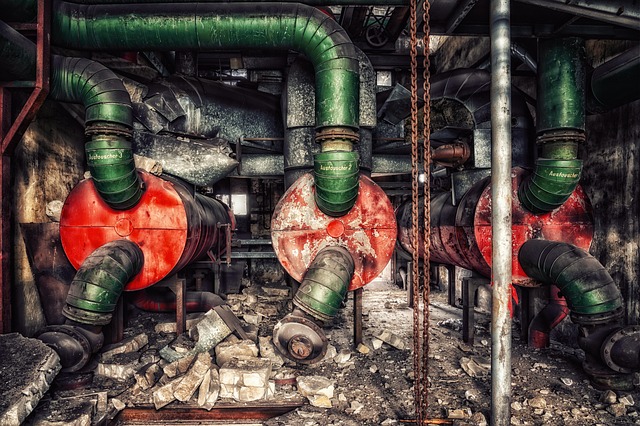
The Role of Boiler Water Treatment in Industrial Systems
Boiler water treatment safeguards equipment by maintaining a stable internal environment where corrosion, scaling, and carryover are minimized. Proper chemical conditioning stabilizes pH levels and controls dissolved oxygen to protect metal surfaces. In high-pressure applications such as power generation or petrochemical refining, even minor deviations in water chemistry can lead to tube failures or efficiency losses. Treatment programs are therefore engineered around the specific design pressure, condensate return rate, and feedwater source of each installation.
Why Uniform Treatment Programs Can Be Problematic
A single treatment formula cannot accommodate the operational diversity seen across industries. For instance, a food processing plant using softened municipal water faces different challenges than a refinery drawing from brackish wells. Applying identical chemistry to both would risk under-treatment in one case and over-treatment in another. Uniform programs often ignore subtle factors like condensate contamination or intermittent operation cycles, leading to inefficiencies or premature equipment wear.
Key Factors Influencing Boiler Water Treatment Design
Designing an effective boiler water treatment plan requires understanding how feedwater variability, system pressure, and material composition interact under thermal stress. Each factor introduces potential failure modes that must be mitigated through tailored chemical strategies.
Feedwater Source and Quality Variability
Feedwater composition determines the foundation of any treatment program. Hardness ions such as calcium and magnesium form scale on heat-transfer surfaces if left untreated. Silica levels influence deposition tendencies at high temperatures, while alkalinity affects pH stability throughout the cycle. Seasonal shifts or changes in municipal supply can alter these parameters dramatically. Pretreatment systems—softeners, reverse osmosis units, or demineralizers—must therefore be calibrated to handle fluctuations without compromising downstream performance.
System Pressure and Temperature Considerations
The higher the operating pressure, the tighter the control required over dissolved solids and oxygen content. Elevated temperatures accelerate both scaling reactions and corrosion kinetics. For example, boilers above 60 bar often demand demineralized feedwater combined with volatile amines for pH control instead of phosphate blends used in lower-pressure units. Chemical selection must also consider how additives behave under thermal stress; certain polymers degrade at sustained high temperatures, reducing their dispersant effectiveness.
Material Composition and Metallurgical Compatibility
Boiler tubes made from carbon steel respond differently to oxygen scavengers than stainless alloys or copper-bearing components. An inappropriate pairing between chemicals and metals can trigger localized corrosion or stress cracking. For instance, excessive sulfite can attack copper alloys in condensate lines if residual oxygen is already low. Metallurgical assessment before program design helps prevent these incompatibilities and extends component life.
Tailoring Chemical Treatment Programs to Operational Needs
Customizing chemical programs means balancing protection with efficiency—using enough reagents to prevent damage without introducing excess residues that complicate blowdown control.
Selection of Oxygen Scavengers and Corrosion Inhibitors
Oxygen scavengers neutralize residual dissolved oxygen that deaerators cannot remove completely. Sulfite-based products suit low- to medium-pressure systems due to their fast reaction rates but are unsuitable for food-grade steam or high-temperature environments where decomposition becomes problematic. Hydrazine-based scavengers offer stability at higher pressures but face regulatory restrictions due to toxicity concerns; organic alternatives like carbohydrazide fill this gap effectively. Corrosion inhibitors maintain condensate pH within safe limits while preventing film degradation along return lines.
Managing Scale Formation Through Targeted Chemistry
Scale prevention hinges on controlling hardness ions before they precipitate under heat load. Phosphate treatments convert calcium into non-adherent sludge removable via blowdown, while polymer dispersants keep fine particles suspended for continuous purge removal. Where silica poses a threat—common in geothermal feedwaters—specialized polymers inhibit deposition even at elevated pressures. Automated dosing systems linked to conductivity sensors maintain precise concentration ratios regardless of load swings.
Integration of Pretreatment Processes for Optimal Results
Pretreatment acts as the first line of defense against scaling and corrosion by conditioning raw feedwater before it enters the boiler circuit.
Importance of Filtration and Softening Stages
Mechanical filters capture suspended solids that might otherwise foul heat exchangers or strainers downstream. Ion exchange softeners replace calcium and magnesium with sodium ions to eliminate hardness entirely, preventing scale formation inside tubes. Regular regeneration using brine ensures resin longevity; poor regeneration leads to leakage of hardness ions back into the system—a common cause of unexpected scale events during peak operation.
Role of Deaeration in Oxygen Control
Thermal deaeration removes most dissolved gases by heating feedwater close to saturation temperature so oxygen escapes through venting systems. A well-tuned deaerator reduces oxygen levels below 7 ppb before chemical scavenging begins downstream. Monitoring vent gas composition verifies whether mechanical performance meets specification; rising oxygen readings often signal nozzle fouling or inadequate steam flow through trays.
Monitoring, Control, and Data Analytics in Modern Boiler Systems
Digital tools now play a crucial role in maintaining chemical balance across industrial boilers operating under variable loads or remote supervision models.
Real-Time Monitoring for Process Optimization
Online analyzers continuously measure conductivity, pH, silica concentration, and dissolved oxygen within feedwater loops. These data streams enable predictive maintenance rather than reactive correction—operators can adjust dosing pumps before deviations escalate into costly shutdowns. Trend analysis over months reveals slow drifts caused by resin exhaustion or sensor calibration drift that manual testing might miss.
Adaptive Treatment Strategies Using Digital Tools
Artificial intelligence platforms simulate boiler behavior under different conditions using historical datasets combined with live sensor inputs. Such models recommend dosage adjustments automatically when process variables shift outside tolerance bands. Integration with supervisory control systems (SCADA) allows centralized oversight across multiple sites without sacrificing local responsiveness—a critical advantage for utilities managing distributed assets.
Aligning Boiler Water Treatment with Sustainability Goals
Environmental responsibility increasingly shapes industrial water management strategies as companies pursue net-zero targets alongside operational reliability.
Reducing Chemical Consumption Through Precision Control
Closed-loop feedback systems reduce reagent waste by matching dosing precisely to real-time demand instead of fixed schedules. Lower consumption cuts both procurement costs and effluent loading at discharge points—a compliance advantage where local regulations limit total dissolved solids release into waterways.
Enhancing Energy Efficiency Through Improved Water Quality
Cleaner internal surfaces mean better heat transfer from combustion gases to steam generation surfaces. Even a thin layer of scale—just one millimeter thick—can increase fuel use by up to 10 percent due to reduced thermal conductivity. Maintaining optimal water chemistry thus directly supports energy conservation initiatives while minimizing blowdown frequency saves additional water volume otherwise lost from the cycle.
The Strategic Value of Customization in Industrial Boiler Operations
Beyond immediate maintenance benefits, tailored boiler water treatment fosters resilience against future operational changes such as capacity expansions or fuel conversions.
Collaborative Program Development Between Operators and Suppliers
Close collaboration between plant engineers and chemical suppliers ensures that treatment plans reflect actual process realities rather than textbook assumptions. Site audits identify hidden constraints like intermittent steam demand patterns or variable condensate quality from multiple return headers—factors rarely captured during initial commissioning reviews.
Long-Term Benefits of a Tailored Approach
Plants adopting customized programs report fewer unplanned outages related to scaling or corrosion failures over multi-year horizons. Consistent performance also translates into measurable cost savings through reduced tube replacements, lower fuel usage per ton of steam produced, and extended overhaul intervals—all contributing to improved lifecycle economics for capital-intensive assets.
FAQ
Q1: What happens if boiler water treatment is neglected?
A: Neglect leads to rapid scaling, corrosion damage, reduced efficiency, and potential tube rupture requiring expensive repairs or replacement.
Q2: How often should boiler water parameters be tested?
A: Critical parameters like conductivity and pH should be monitored continuously; full laboratory analysis is typically performed weekly depending on system size.
Q3: Are organic oxygen scavengers safer than hydrazine?
A: Yes, modern organic scavengers such as carbohydrazide provide similar performance without hydrazine’s carcinogenic risks while maintaining stability at high pressures.
Q4: Can automation fully replace manual testing?
A: No; automated sensors enhance precision but periodic manual validation remains essential for calibration accuracy and regulatory compliance assurance.
Q5: What sustainability gains come from better boiler water management?
A: Efficient treatment lowers fuel consumption through cleaner heat-transfer surfaces, reduces blowdown losses conserving water resources, and minimizes chemical discharge impact on ecosystems.