How Can Water and Wastewater Treatment Cut Risk in Chemical Plants?
Key Takeaways
- Understand the main symptoms and warning signs.
- Review common risks and prevention options.
- Learn when to seek professional medical advice.
Why Does Water and Wastewater Matter to Chemical Plants?
Water and wastewater are part of daily chemical production, even when they are treated as utilities in the background. Plants use water for reaction control, washing, cooling, steam, scrubbing, dilution, and cleaning. After that comes the harder part: wastewater with changing quality that must be treated before discharge, reuse, or sending to a municipal system. For more practical topics in this field, visit the Wastewater section.
UNESCO’s 2024 UN World Water Development Report states that agriculture accounts for roughly 70% of global freshwater withdrawals, industry just under 20%, and municipal use about 12%. That means industrial water demand is competing with other users, especially in dry areas or industrial parks with strict permits. (unesco.org)
Water Supply Is a Production Constraint
Your plant may have a good formula, trained operators, and steady customers, but poor inlet water can still slow production. High hardness scales heat exchangers, and silica causes trouble in boilers. Chloride can raise corrosion risk. A small seasonal rise in TDS may force more cooling tower blowdown, which also creates more wastewater. It is not a flashy issue, but it shows up clearly on the monthly operating cost.
Wastewater Quality Becomes a Permit Risk
Wastewater is not checked by volume only. Regulators and sewer operators look at load, toxicity, color, odor, pH, and how the stream behaves in a sewer or receiving water. The UN-Water and WHO 2024 update on SDG 6.3.1 reported that, among 107 countries with some 2022 wastewater statistics, safe treatment data could be calculated for only 42 countries, covering 12% of the global population. The point for plant managers is simple: public wastewater data still has gaps, so site records and lab reports matter. (who.int)
Better Chemistry Lowers Hidden Plant Costs
The right treatment chemical does more than help a sample pass a lab test. It can reduce sludge volume, cut filter fouling, control foam, protect biology, or lower emergency hauling. A poor chemical choice does the opposite. It can leave soft, wet sludge that nobody wants to deal with at 2 a.m. A plant that tracks dose per kilogram of pollutant removed usually finds the real issue faster than a plant that only tracks price per drum.
Which Water and Wastewater Data Should You Check First?
Do not start with a chemical catalog. Start with the water itself. A workable treatment plan comes from a few numbers that show what the stream contains, how it changes, and where it has to go. Expensive equipment will not cover up weak sampling habits for long.
Flow, Load, and Peak Shifts
Daily flow tells you the tank size, pump duty, and retention time you need. Pollutant load shows the real treatment burden. If flow doubles during cleaning but COD rises tenfold, average data will point you in the wrong direction. Take samples during production, cleaning, shutdown, rain events, and product changeover. In batch chemical plants, a one-hour reactor wash dump can hit the system harder than the rest of the day.
pH, COD, BOD, and TSS
pH affects coagulation, corrosion, biological activity, and metal solubility. COD gives a quick reading of oxidizable organic matter. BOD shows the biodegradable part, while TSS points to solids that may settle, float, or clog equipment. As a regulatory reference point, U.S. federal secondary treatment rules for publicly owned treatment works set 30-day average limits of 30 mg/L for BOD5 and suspended solids, with pH generally from 6.0 to 9.0. Industrial limits differ by permit, but this example shows how treatment targets are often written. (law.cornell.edu)
Metals, Nutrients, Oil, and Salt
Many chemical streams need more testing than COD and pH. Metals may need precipitation or chelation control. Ammonia, nitrate, and phosphorus can shape the biological design. Oil and grease can cover aeration basins or foul membranes. Salt is easy to miss because it can pass through common treatment steps and put stress on reuse systems. If a plant makes surfactants, dyes, resins, pesticides, or plating additives, the test list should be wider from the start.
How Should Chemical Plants Choose Treatment Chemicals?
Treatment chemicals should be selected by how the water behaves, not by old buying habits. The same coagulant that works well on one stream may fail on another because alkalinity, charge, oil, temperature, or mixing energy has changed. A basic jar test tray still belongs on the bench, even if it looks old-fashioned.
- Confirm the inlet range, not just one clean sample.
- Match the chemical to the final target, such as settling, filtration, reuse, or discharge.
- Record sludge volume, clarity, pH drift, and downstream side effects.
Coagulants and Flocculants for Solids Removal
Ferric salts, aluminum salts, polyaluminum chloride, and organic coagulants can neutralize charge and form solids that settle. Flocculants then build larger particles that settle or float faster. In real purchasing work, the lowest unit price often loses if it makes more sludge or needs a higher dose. Ask for active content, basicity where relevant, charge type, molecular weight range, and storage limits.
pH Control for Stable Reactions
Neutralization looks easy until operators spend the whole shift chasing a swinging pH probe. Acid and caustic feed need proper mixing, enough reaction time, and safe dosing points. For metal precipitation, pH is the switch that decides whether metals stay dissolved or drop out. Good control also protects biological treatment. A sudden high-pH slug can shock microbes and leave the plant with foam, odor, and calls from the lab.
Oxidants, Reductants, and Specialty Aids
Oxidants can treat color, odor, sulfide, cyanide, or some difficult organics. Reductants may be used for hexavalent chromium or residual oxidant before discharge. Antifoams, biocides, dechlorination agents, and odor control chemicals solve more specific problems. Use them with care because every added chemical changes the wastewater chemistry. In some cases, the fix becomes a new load on the final treatment system.
What Treatment Train Works Best for Mixed Industrial Effluent?
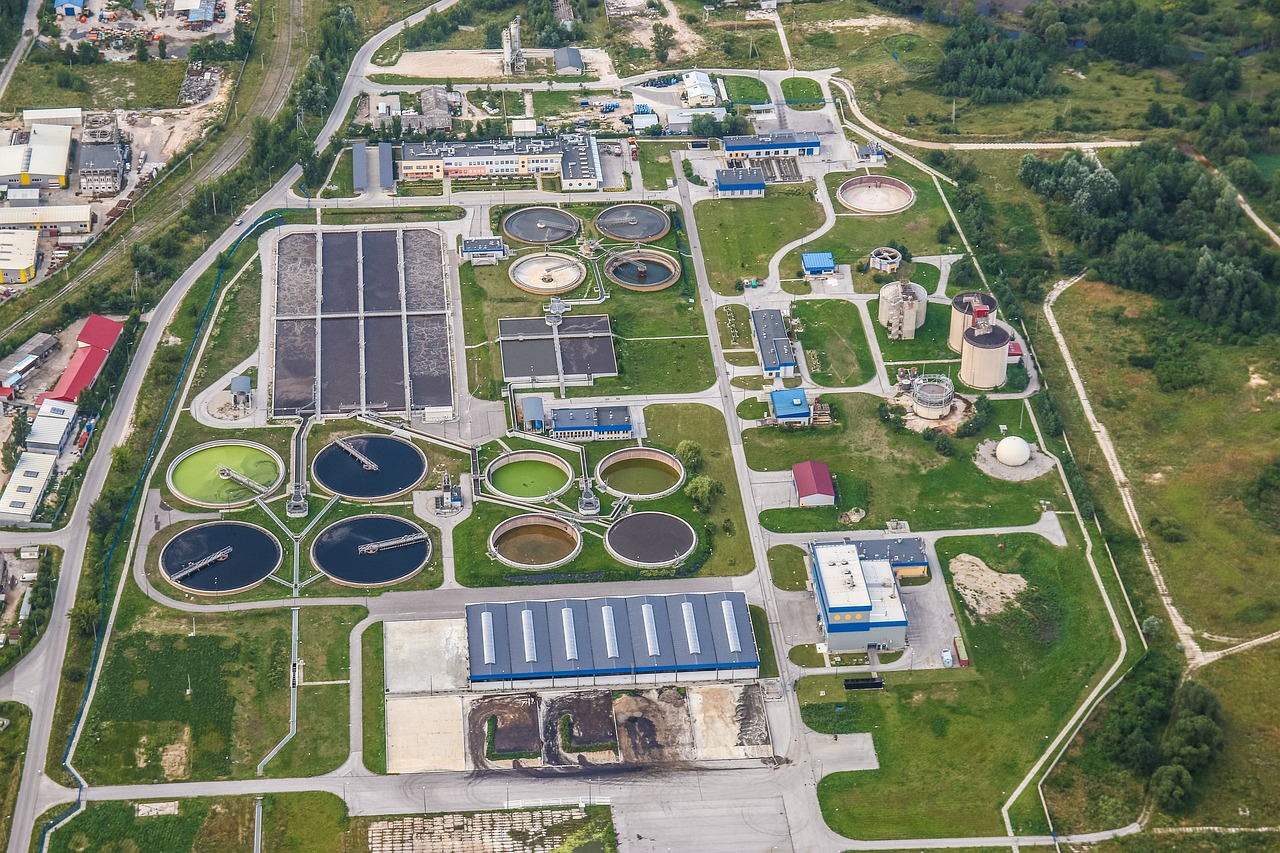
A treatment train is a sequence, not a shopping list. For mixed industrial effluent, a good layout removes the easier load early, protects sensitive steps, and leaves polishing for the work it can actually do. This sounds basic, but many systems struggle because all streams are mixed too early.
Source Segregation Before Treatment
Keep strong streams separate when the site layout allows it. A spent solvent wash, concentrated brine, floor wash, and cooling blowdown should not all enter the same first tank without review. Segregation may allow recovery, off-site disposal, pH correction, or smaller high-strength treatment. The U.S. EPA’s National Pretreatment Program is built around a similar idea: protect municipal treatment works and reduce conventional and toxic pollutants from industrial and nondomestic sources before they cause wider problems. (epa.gov)
Primary Removal Before Biology
Screening, equalization, oil separation, pH adjustment, coagulation, flocculation, dissolved air flotation, and clarification can remove much of the load before biological treatment. This gives microbes a steadier feed and reduces shock to the aeration basin. It also keeps surprise solids out of downstream equipment. If biology receives a stream full of oil, biocide, or sharp pH swings, the plant may still run, but it will run badly, like a loaded truck on a hill.
Polishing for Reuse or Discharge
Filtration, activated carbon, ion exchange, ultrafiltration, reverse osmosis, advanced oxidation, or disinfection can polish water after the main load is removed. The choice should follow the final use. Reuse in a cooling tower has different needs from discharge to a river or feed to a boiler pretreatment line. Polishing should not be expected to cover poor upstream control every day. See also: Flocculants.
Where Can Reuse Make Sense Without Creating New Risk?
Reuse can lower freshwater intake and wastewater discharge at the same time. Still, reuse is not just a number for a report. It has to match the process, the contaminant profile, and the product line’s risk tolerance. UNEP has reported that only 11% of treated wastewater is currently reused, while also noting the large energy and nutrient value still left in wastewater. (unep.org)
Cooling Tower Makeup After Good Polishing
Cooling towers can accept water quality that would not be suitable for boilers or high-purity process water. Treated effluent may work after solids removal, oil control, biological treatment, filtration, and sometimes softening or membrane polishing. Watch chloride, silica, ammonia, phosphate, biological growth, and corrosion indexes. When cycles of concentration rise, small contaminants can build up fast.
Wash Water Loops with Clear Limits
Some rinse or floor wash loops can reuse treated water when product contact risk is low. Set clear limits for color, odor, conductivity, microbes, and surfactants. A loop without bleed control becomes a bathtub that nobody drains. You may save water for a month and then lose a production day to foam or residue. Put the bleed point and monitoring plan in writing, and make sure operators know where the limit is.
Nutrient and Energy Recovery Where Applicable
Food, fermentation, bio-based chemical, and some organic streams may support anaerobic treatment, biogas recovery, or nutrient recovery. Not every chemical plant has wastewater that fits this route. Public global data cannot give a reliable payback for your exact site. Bench testing, pilot data, local energy cost, and sludge handling fees should drive the decision.
How Can You Buy Chemicals with Fewer Surprises?
Buying treatment chemicals is part technical review, part logistics, and part risk control. A low bid does not help much if the product arrives late, gels in the tote, lacks documents, or performs differently between batches. The practical target is steady treatment at a fair total cost.
Jar Tests Before Price Talks
Run jar tests with real wastewater, not only clean synthetic samples. Include hot and cold samples if seasons affect the stream. Check settling time, supernatant clarity, sludge volume, filtrate quality, and final pH. Ask suppliers to state dose in active chemical terms. This makes comparisons cleaner because product strength can vary a lot.
Documentation That Matches Your Permit
Keep safety data sheets, certificates of analysis, technical data sheets, and traceable batch records. If your permit or sewer agreement restricts metals, nutrients, chloride, sulfate, or toxicity, confirm that the treatment chemical does not add a new issue. A short document check before buying can prevent a long compliance meeting later. It also gives the operations team something clear to refer to when batches change.
Supplier Stability and On-Site Handling
Check shelf life, freezing point, corrosion compatibility, packaging, unloading method, and emergency supply options. A polymer that works well in the lab may fail if it is stored in direct sun or mixed with the wrong water. Train operators on dilution order and feed pump calibration. It is a small detail, but small details keep wastewater plants boring, and that is usually a good thing.
FAQ
Q1: What Is the Most Important First Step in Water and Wastewater Treatment? A: Start with representative sampling. You need flow, pH, COD, BOD, TSS, oil, metals, nutrients, salt, and peak-load data before choosing chemicals or equipment.
Q2: Can One Coagulant Treat Every Industrial Wastewater Stream? A: No. Coagulant performance depends on pH, alkalinity, charge, solids type, oil, temperature, and mixing. Jar testing is the safest first screen.
Q3: When Does Wastewater Reuse Make Sense for a Chemical Plant? A: Reuse makes sense when treated water quality matches a lower-risk use, such as cooling tower makeup or wash water, and when monitoring can control buildup.
Q4: Why Is pH Control So Important? A: pH affects metal precipitation, coagulation, corrosion, biological treatment, odor, and final discharge compliance. Poor pH control can upset the whole plant.
Q5: How Should You Compare Treatment Chemical Suppliers? A: Compare active content, dose, sludge volume, documents, delivery reliability, storage needs, and total operating cost, not price per drum alone.