How Industrial Water Treatment Chemicals Drive Kemira Growth Strategy
Key Takeaways
- Understand the main symptoms and warning signs.
- Review common risks and prevention options.
- Learn when to seek professional medical advice.
Kemira Outlines Growth Strategy as Water Treatment Demand Expands
Industrial water treatment chemicals are now the backbone of Kemira’s growth plan. As industries face tighter environmental rules and rising water scarcity, Kemira has positioned itself at the intersection of sustainability, digitalization, and chemical innovation. The company’s future growth depends on integrating advanced chemistries with data-driven services while expanding its footprint in high-demand markets such as Asia-Pacific. This strategic alignment not only strengthens revenue stability but also reinforces Kemira’s role in shaping global water stewardship standards.
Strategic Role of Industrial Water Treatment Chemicals in Kemira’s Growth Framework
Kemira’s success increasingly revolves around the industrial water treatment segment, where demand continues to rise across manufacturing and resource-intensive industries. The company treats this area as both a profit engine and a platform for sustainable innovation.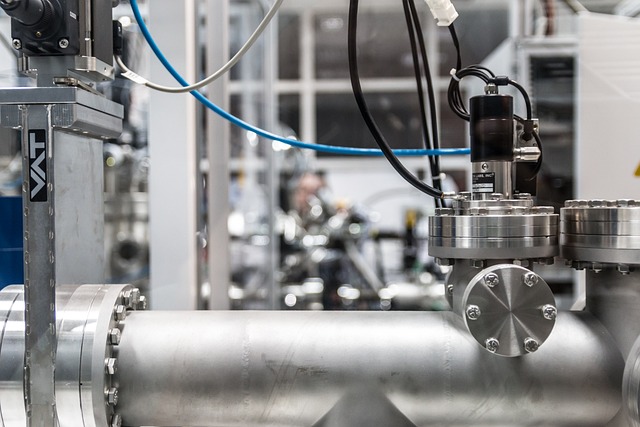
Positioning Industrial Water Treatment Within Kemira’s Core Business
Industrial water treatment chemicals form a central pillar of Kemira’s business portfolio. They serve industries like pulp and paper, oil and gas, and mining, where efficient water use is critical. Kemira aligns its R&D direction with global sustainability targets, ensuring that its products meet evolving regulatory frameworks while supporting clients’ ESG goals. The company’s approach integrates chemical expertise with service-based solutions that help customers achieve operational compliance without sacrificing efficiency.
Market Forces Shaping Kemira’s Strategic Direction
Water scarcity is tightening worldwide, and stricter discharge regulations have made advanced treatment solutions indispensable. Industrial sectors increasingly rely on customized chemical blends to manage complex effluent streams safely. Moreover, global decarbonization policies are pushing chemical producers to reformulate products using lower-carbon raw materials and energy-efficient processes. For Kemira, these shifts translate into opportunities for both market expansion and technological leadership.
Innovation and Product Development in Industrial Water Treatment Chemicals
Innovation defines how Kemira differentiates itself from competitors. The firm invests heavily in chemistry that not only performs better but also reduces environmental load through smarter formulations.
Advancements in Chemical Formulations for Enhanced Performance
Research teams focus on developing high-efficiency coagulants, flocculants, and biocides that improve sedimentation rates while reducing total chemical consumption. These innovations reduce sludge volume and energy needs during filtration or clarification stages. New product lines emphasize biodegradable ingredients and non-toxic additives that comply with OECD testing standards for aquatic safety. Smart chemistry enables adaptive dosing based on real-time water quality data collected from sensors installed at client facilities.
Digitalization and Process Optimization in Water Treatment Solutions
Kemira integrates digital platforms into its service model to enhance predictive dosing accuracy and operational reliability. Through cloud-based analytics tools, customers can monitor performance metrics across multiple industrial sites simultaneously. Artificial intelligence helps identify deviations in process stability before they escalate into costly shutdowns. This digital layer transforms traditional chemical supply into a continuous optimization service—reducing downtime, waste generation, and maintenance costs for end users.
Expanding Market Presence Through Strategic Partnerships and Acquisitions
Growth for industrial water treatment chemicals does not rely solely on internal R&D; collaboration plays an equally crucial role in accelerating innovation cycles.
Collaboration with Industrial Clients and Technology Providers
Joint development projects allow Kemira to design tailored chemistries for specific industrial challenges—whether it is scaling control in desalination plants or microbial management in cooling systems. Partnerships with technology firms enhance the integration of sensors, automation software, and cloud connectivity into existing treatment infrastructures. Long-term supply agreements further strengthen customer retention by embedding Kemira’s products within clients’ operational routines.
Mergers, Acquisitions, and Regional Expansion Strategies
Targeted acquisitions have become a key lever for expanding geographic reach into fast-growing regions such as Asia-Pacific, where urbanization drives new wastewater infrastructure projects. Integrating acquired technologies broadens the product portfolio beyond conventional coagulants toward specialty polymers or bio-based agents. Localized production facilities shorten delivery times and improve resilience against raw material disruptions—a critical advantage amid volatile global supply chains.
Sustainability as a Growth Enabler in the Water Treatment Sector
Sustainability underpins every strategic decision at Kemira today. The company views environmental responsibility not as compliance but as a competitive edge that attracts long-term industrial partners.
Aligning Chemical Solutions with Environmental Goals
Product design emphasizes biodegradability, low toxicity profiles, and circular economy principles such as recyclability of packaging materials or reuse of process by-products. Sustainable formulations support clients’ ESG commitments by lowering their carbon footprint per treated cubic meter of water. Lifecycle assessment tools guide continuous improvement across manufacturing operations to minimize waste generation.
Contribution to Global Water Stewardship Initiatives
Kemira participates actively in international programs promoting responsible water use across industries aligned with UN Sustainable Development Goal 6 (Clean Water and Sanitation). Collaboration with regulators helps shape pragmatic yet ambitious standards for effluent discharge limits or chemical safety classifications under REACH frameworks. Transparent reporting through sustainability indices reinforces credibility among investors who prioritize environmental performance metrics alongside financial returns.
Financial and Operational Implications of the Growth Strategy
The shift toward industrial water treatment chemicals influences both revenue composition and cost structure across the organization.
Revenue Diversification Through Industrial Water Segments
A stronger focus on industrial water applications stabilizes revenue streams against cyclical downturns in other sectors like pulp or oil refining. Value-added services—such as performance monitoring subscriptions—complement traditional chemical sales to create recurring income channels with higher margins. Balancing exposure between mature European markets and emerging economies provides long-term growth resilience against regional fluctuations.
Operational Efficiency and Cost Management Initiatives
Process automation within manufacturing plants reduces unit costs without compromising quality consistency under ISO 9001 standards. Supply chain optimization programs secure reliable access to raw materials despite geopolitical disruptions affecting logistics networks worldwide. Continuous improvement initiatives drive productivity gains measured through KPIs such as energy intensity per ton produced or waste-to-product ratios.
Future Outlook for Kemira’s Industrial Water Treatment Business
The next decade will redefine how industrial facilities handle water resources—and companies like Kemira are shaping that transformation through chemistry-driven innovation combined with digital intelligence.
Emerging Trends Influencing Market Evolution
Adoption of closed-loop systems across manufacturing sites increases demand for advanced chemistries capable of maintaining stable operation under high recirculation conditions. Regulatory frameworks continue evolving toward favoring sustainable alternatives over traditional formulations containing persistent organic pollutants (POPs). Integration of digital ecosystems will reshape customer engagement models by linking procurement platforms directly with process control systems for real-time decision-making.
Strategic Priorities for Sustained Growth
Kemira plans continued investment in R&D focused on circular chemistry innovations such as bio-derived polymers or recyclable coagulant systems compatible with zero-liquid-discharge plants. Expansion into adjacent markets—like microelectronics wastewater treatment—leverages existing expertise in precision dosing technologies developed for pulp mills. Strengthened partnerships across value chains aim to co-develop scalable solutions addressing global challenges including freshwater scarcity and industrial decarbonization pressures.
FAQ
Q1: Why are industrial water treatment chemicals central to Kemira’s strategy?
A: They represent one of the company’s largest revenue streams while aligning directly with sustainability trends driving industrial investment globally.
Q2: How does digitalization enhance Kemira’s water treatment performance?
A: Digital tools enable predictive dosing control based on live data analytics, improving efficiency while reducing overall chemical usage.
Q3: What role do partnerships play in Kemira’s market expansion?
A: Collaborations accelerate product development tailored to specific industry needs and strengthen long-term customer relationships through integrated service offerings.
Q4: How does sustainability contribute to profitability?
A: Eco-friendly formulations attract clients seeking ESG compliance while reducing regulatory risks that could impact future operations.
Q5: Which regions offer the strongest growth potential?
A: Asia-Pacific remains the fastest-growing region due to rapid urbanization, expanding infrastructure projects, and increasing environmental regulation enforcement driving demand for advanced treatment solutions.