Is Caustic Soda for Water Treatment Compliant with India’s New Fish Survival Mandates
Key Takeaways
- Understand the main symptoms and warning signs.
- Review common risks and prevention options.
- Learn when to seek professional medical advice.
India Mandates Fish Survival Tests for Caustic Soda Plants
India’s environmental oversight has entered a new phase with mandatory fish survival testing for effluents from caustic soda and chemical manufacturing plants. The directive signals a decisive shift from purely chemical-based monitoring to biological risk evaluation. The Ministry of Environment, Forest and Climate Change (MoEFCC) now requires industries to prove that discharged water supports aquatic life. For caustic soda producers, which rely heavily on alkaline processes, this means reengineering treatment systems to meet stricter toxicity thresholds. The policy aims not only to protect fish populations but also to push industrial operations toward integrated ecological risk management.
Regulatory Context of India’s Fish Survival Mandates
The new compliance framework reshapes how industrial discharge is evaluated in India. It connects effluent standards directly with biological outcomes, making fish survival a measurable benchmark for environmental performance.
Overview of the New Environmental Compliance Framework
The MoEFCC’s directive introduces biological monitoring as part of its broader environmental compliance system. It requires every major effluent-generating industry, including caustic soda producers, to conduct periodic fish survival tests on treated wastewater before discharge. The goal is clear: verify that aquatic organisms can survive in receiving water bodies after industrial activity. This initiative aligns with India’s commitment under the National Water Policy to maintain ecological balance and safeguard biodiversity.
The fish survival test mandates complement existing aquatic toxicity standards by adding a living indicator of ecosystem health. Rather than relying solely on chemical oxygen demand or pH limits, the regulation measures real biological outcomes—an approach long used in OECD and ISO toxicity testing protocols.
Implications for Chemical Manufacturing and Water Treatment Sectors
For chemical manufacturers, these mandates redefine compliance metrics. Facilities must now demonstrate not only chemical neutrality but also biological safety of their effluents. Reporting standards are expected to include monthly or quarterly fish survival results submitted to state pollution control boards (SPCBs). These boards serve as enforcement agencies, verifying data integrity through random sampling and third-party audits.
Water treatment operators using caustic soda for pH correction will also face closer scrutiny. Continuous monitoring systems must record pH stability and potential acute toxicity events. SPCBs are empowered to suspend discharge permits if survival rates fall below prescribed limits.
Caustic Soda in Water Treatment Applications
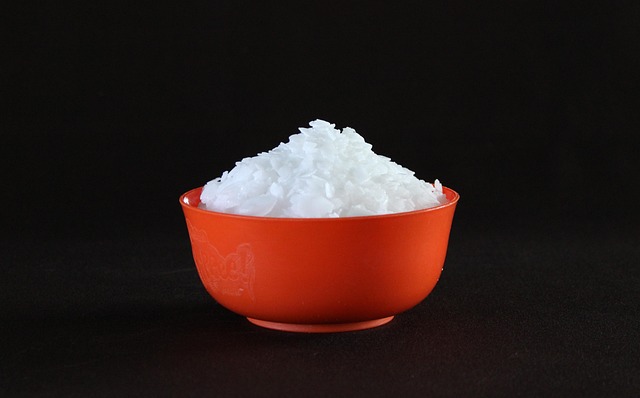
Caustic soda for water treatment plays a central role in both municipal and industrial processes. It regulates acidity, aids coagulation, and neutralizes acidic waste streams before release into natural waters.
Industrial Uses and Functional Mechanisms
In water treatment plants, caustic soda (sodium hydroxide) adjusts pH levels by reacting with free acids, forming salts and water. It enhances coagulation efficiency when used with alum or ferric salts by stabilizing alkalinity during floc formation. Proper dosing maintains optimal pH between 6.5 and 8.5—critical for both disinfection efficiency and aquatic life support.
Excessive dosing can alter dissolved oxygen levels by shifting carbonate equilibria, indirectly affecting aquatic respiration rates. Maintaining balanced alkalinity prevents sudden changes that could stress fish or other organisms downstream.
Potential Environmental Risks Associated with Caustic Soda Effluents
Effluents from caustic soda production often contain residual sodium hydroxide, high total dissolved solids (TDS), and elevated alkalinity. When discharged untreated, such effluents can raise receiving water pH above 9, leading to gill damage in fish species like Catla catla or Labeo rohita commonly used in Indian toxicity tests.
Neutralization strategies typically involve controlled acid dosing or carbon dioxide sparging before final discharge. Multi-stage neutralization allows gradual pH reduction without creating localized acid zones harmful to aquatic biota.
Understanding Fish Survival Tests in Compliance Assessment
Fish survival testing forms the core of India’s new aquatic toxicity evaluation method. It bridges laboratory analysis with field-level ecological validation.
Methodology and Testing Protocols
Standardized procedures follow OECD Guideline 203 or Bureau of Indian Standards IS:6582 protocols. Test species—often freshwater varieties native to India—are exposed to graded dilutions of treated effluent over 96 hours. Parameters measured include mortality rate, behavioral anomalies like erratic swimming, and post-exposure recovery potential.
Results are compared against control samples maintained under identical conditions. This comparison helps identify sub-lethal stress even when mortality is absent—a crucial insight for continuous discharge operations where chronic exposure occurs.
Significance of Toxicity Thresholds in Regulatory Evaluation
Regulators use LC50 values (the concentration lethal to 50% of test organisms) as reference thresholds for compliance certification. However, sub-lethal endpoints such as growth inhibition or reproductive effects are gaining importance under evolving guidelines.
Integrating biological indicators like fish survival data with chemical metrics such as COD or ammonia concentration provides a holistic view of effluent quality. This blended approach reduces blind spots often missed by purely physicochemical analysis.
Aligning Caustic Soda Operations with Fish Survival Requirements
To meet new mandates, caustic soda plants must rethink process chemistry and invest in adaptive treatment technologies that minimize residual alkalinity while maintaining operational efficiency.
Process Modifications to Ensure Compliance
Process optimization begins at the reaction stage where chlorine interacts with brine solutions during electrolysis. Adjusting cell voltage and brine purity can reduce unwanted side reactions that elevate effluent alkalinity. Post-process cooling tanks may incorporate inline neutralizers using weak acids such as acetic acid for smoother pH transitions.
Multi-stage dilution systems blend treated streams with recycled condensate before discharge, lowering ionic strength without increasing total volume load on treatment facilities.
Treatment Technologies Supporting Environmental Safety Goals
Advanced Neutralization Techniques
Using carbon dioxide injection offers precise pH control without introducing mineral acids that may cause secondary contamination. CO₂ reacts gently forming bicarbonate ions that buffer the solution naturally—a method increasingly favored over sulfuric acid dosing because it avoids abrupt pH swings detrimental to aquatic species recovery zones downstream.
Effluent Recycling and Zero Liquid Discharge (ZLD) Systems
ZLD frameworks eliminate direct effluent release altogether by recovering reusable caustic streams through evaporation-crystallization loops. Condensate is reused within plant circuits while solid salts are safely disposed or repurposed for industrial feedstock applications. Many Indian chlor-alkali units have begun integrating ZLD modules following Central Pollution Control Board recommendations.
Monitoring, Reporting, and Continuous Improvement Strategies
Building robust environmental management systems (EMS) around these mandates requires combining automated monitoring tools with transparent reporting mechanisms accessible to regulators and local communities alike.
Establishing Robust Environmental Management Systems (EMS)
Fish survival testing should be embedded within internal audit cycles alongside conventional parameters like BOD or TSS tracking. Digital dashboards aggregating sensor data allow near real-time visualization of compliance trends across multiple outfalls—a practice already adopted by several large-scale chemical clusters in Gujarat and Tamil Nadu.
Such systems not only demonstrate regulatory alignment but also provide early warning signals enabling preventive maintenance before violations occur.
Collaboration Between Industry and Regulators for Sustainable Outcomes
Industry associations play a pivotal role in harmonizing testing methodologies across states so results remain comparable nationwide. Collaborative research programs focusing on indigenous fish sensitivity profiles help refine toxicity benchmarks suited for Indian ecosystems rather than relying solely on imported standards developed for temperate species.
Joint funding initiatives between SPCBs and industry consortia could accelerate development of portable bioassay units enabling onsite screening prior to final discharge approval.
Future Outlook for Caustic Soda Plants Under India’s Evolving Environmental Norms
The regulatory trajectory suggests an eventual transition from compliance-driven frameworks toward proactive ecological stewardship models integrating ESG principles directly into operational decision-making matrices.
Transition Toward Integrated Ecological Risk Management Models
Future-ready caustic soda plants will treat environmental performance as part of business resilience rather than cost overheads. Integrating ESG metrics like biodiversity impact scores into annual sustainability reports aligns corporate transparency with investor expectations increasingly sensitive to green credentials.
Such integration encourages innovation in cleaner electrolytic technologies using membrane cells consuming less energy while generating lower residual alkalinity per ton output—reducing both carbon footprint and aquatic risk simultaneously.
Anticipated Regulatory Developments and Industry Adaptation Pathways
Experts anticipate further tightening of aquatic toxicity norms within five years as monitoring infrastructure matures nationwide. Potential inclusion of chronic exposure indices could reshape how long-term discharges are evaluated beyond acute mortality endpoints alone.
Chemical producers investing early in green chemistry innovations—such as biodegradable additives replacing persistent reagents—will gain strategic advantage when future revisions demand deeper lifecycle accountability across supply chains linked to water-intensive sectors like textiles or paper manufacturing.
FAQ
Q1: What prompted India’s introduction of fish survival tests?
A: The MoEFCC introduced these tests to assess real biological effects of industrial effluents on aquatic ecosystems instead of relying solely on chemical parameters like COD or BOD levels.
Q2: How do fish survival tests differ from standard toxicity analyses?
A: They involve exposing live fish species under controlled conditions to treated effluent samples over specific durations, measuring actual survivability rather than inferred chemical safety values alone.
Q3: Why is caustic soda particularly relevant under this mandate?
A: Because its high alkalinity can drastically alter water chemistry if improperly neutralized, posing immediate risks to fish respiration and habitat stability downstream from discharge points.
Q4: Can advanced neutralization fully eliminate environmental risk?
A: While it greatly reduces acute toxicity potential by stabilizing pH levels gradually, continuous monitoring remains essential since cumulative sub-lethal effects may still occur over time.
Q5: What long-term benefits might result from these regulations?
A: Beyond protecting fisheries, they drive technological modernization across the chemical sector encouraging adoption of ZLD systems, closed-loop recycling, and broader ESG-aligned sustainability practices that strengthen both ecological resilience and corporate reputation.