Is Sewage Wastewater Treatment the Smartest Way to Cut Water Risk?
Key Takeaways
- Understand the main symptoms and warning signs.
- Review common risks and prevention options.
- Learn when to seek professional medical advice.
What Makes Sewage Wastewater Different from General Wastewater?
Sewage wastewater is not only toilet water. It is a changing mix of organic matter, suspended solids, nutrients, pathogens, detergents, oils, and sometimes industrial chemicals. For a city utility, a food plant, a chemical park, or a factory connected to a municipal sewer, that mix can shift by the hour, by season, during rain, and around the production schedule.
The practical point is simple: if every wastewater stream is treated as the same, the plant design starts with the wrong basis. UN-Water’s Progress on Wastewater Treatment 2024 Update reported that, in 2022, 42% of global household wastewater was not safely treated before discharge, equal to about 113 billion m3 released with inadequate or no treatment. That number gives useful context. Poor treatment is not just a local nuisance; it affects river quality, public health, and water supply.
Domestic Sewage Carries High Organic Load
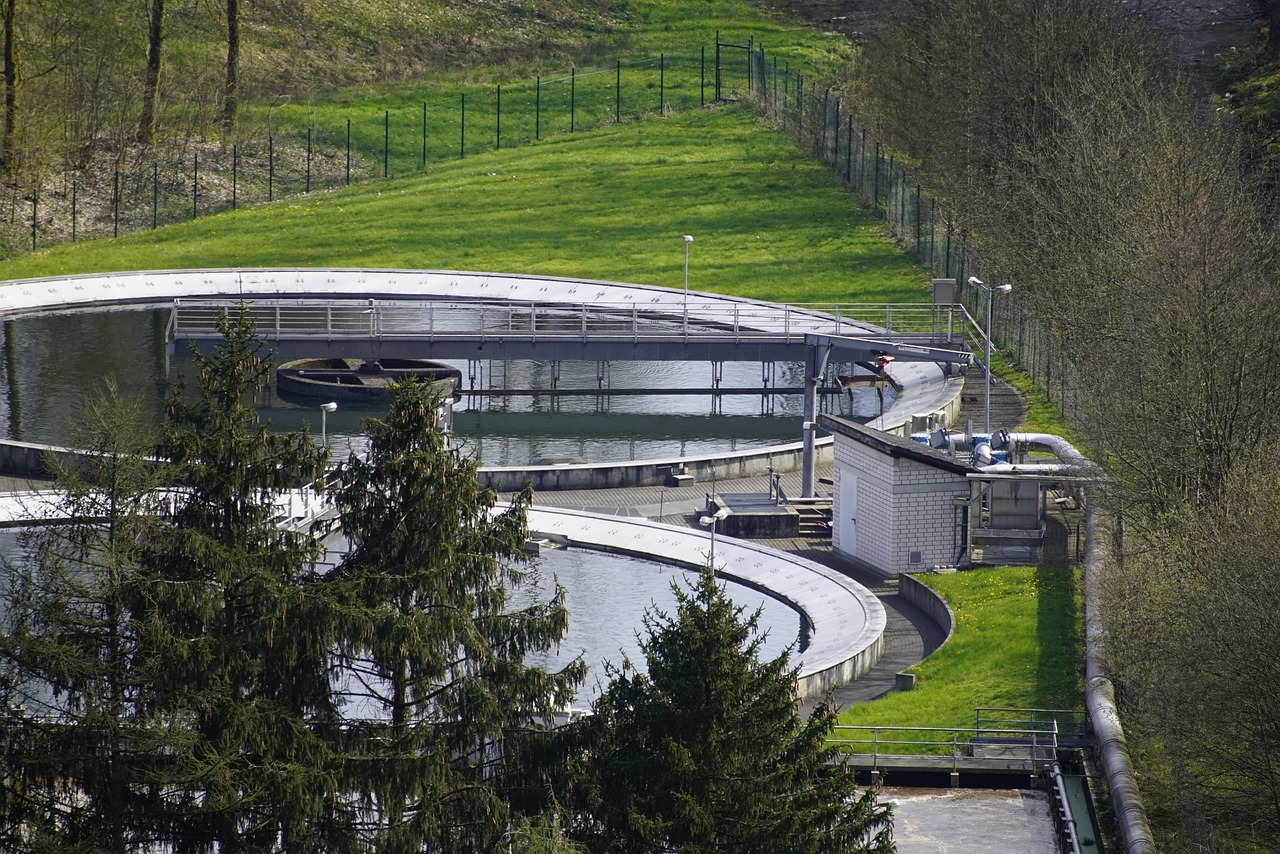
Domestic sewage usually contains fecal matter, toilet paper fibers, food residue, soap, nitrogen, phosphorus, and microbes. These pollutants raise BOD and TSS, so they cannot be judged by appearance alone. BOD, or biochemical oxygen demand, shows how much oxygen microorganisms need to break down organic material. If high BOD reaches a river or lake, it can pull oxygen out of the water. Fish do not care how neat the process flow chart looks; they need enough oxygen to live.
Industrial Inputs Add Chemical Risk
When a chemical site, metal workshop, textile line, or cleaning process sends water into the same system, the wastewater becomes harder to manage. Solvents, acids, alkalis, surfactants, heavy metals, or high-COD streams can slow down biological treatment. There is no dependable single global public number showing how much chemical wastewater mixes with domestic sewage in every sewer system. For that reason, site sampling is more useful than a broad benchmark.
Stormwater Can Break Design Assumptions
Rain can dilute pollutants, but it can also push flow up very fast. In combined sewer areas, storms may carry grit, floating trash, and high hydraulic loads into a plant. A clarifier sized for steady daily flow may lose solids during a storm event. Good design checks dry-weather flow, wet-weather peaks, and short shock loads, not only the annual average.
Why Does Sewage Wastewater Need More Than Basic Screening?
Screening is useful, but it is only the first step. It removes rags, plastics, wipes, and larger debris before they damage pumps and tanks. The main treatment work still needs settling, biology, clarification, sludge handling, and often disinfection. For industrial buyers, this is where equipment selection becomes a real project decision.
Primary Treatment Removes Settleable Solids
Primary treatment slows the water so heavier solids can sink and grease can rise. A primary clarifier can remove part of the TSS and BOD load before aeration. This can reduce power use later, because less organic load reaches the biological stage. The tradeoff is sludge, and that sludge still has to be thickened, dewatered, hauled, digested, or disposed of safely.
Biological Treatment Cuts BOD and TSS
Activated sludge, oxidation ditches, sequencing batch reactors, MBBR systems, and membrane bioreactors all use microorganisms to consume dissolved and fine organic matter. The U.S. EPA secondary treatment standards for public treatment works use BOD5, suspended solids, and pH as main performance measures. Under 40 CFR Part 133, common secondary standards include a 30-day average BOD5 and TSS limit of 30 mg/L, at least 85% removal, and pH from 6.0 to 9.0. Local permits may require lower limits, so the permit must be checked before the process is fixed.
Disinfection Controls Pathogens Before Discharge
Effluent can look clear and still carry bacteria, viruses, and protozoa. Chlorination, UV, ozone, or other disinfection steps help reduce pathogen risk before discharge or reuse. CDC wastewater monitoring information updated in April 2026 also shows another use of sewage: community wastewater data can help track infectious disease trends without relying only on doctor visits or clinical testing. This does not replace plant control, but it shows why sewage data is watched more closely now.
Which Treatment Data Should Guide Your Plant Design?
Good sewage wastewater design starts with numbers from the site. One grab sample from a quiet Tuesday morning is not enough. You need flow records, composite samples, peak production data, seasonal notes, and permit targets. It may feel routine, but this is where many costly problems begin.
Flow Peaks Set Tank and Pump Size
Average flow helps with budget planning, but peak flow controls hydraulics. A hotel near a tourist area may see morning and evening spikes. A chemical cleaning line may discharge batches after a shift, and a city network may see wet-weather surges. Pumps, equalization tanks, screens, and clarifiers should handle those peaks without washing biomass out of the system.
BOD COD TSS and Nutrients Set the Target
BOD and COD show organic strength. TSS shows suspended matter. Ammonia, total nitrogen, and phosphorus show nutrient risk. A practical sampling plan should include the main drains and the mixed influent, not just the easiest sample point.
- 24-hour composite samples during normal and high-load days
- pH, temperature, oil and grease, sulfide, and conductivity checks
- Separate tests for process drains, sanitary drains, and mixed influent
- Toxicity checks when solvents, biocides, or heavy metals may enter the sewer
For chemical facilities, keeping some streams separate often saves money. A small toxic stream can poison a large biological unit if it is mixed too early.
Local Limits Decide Final Water Quality
Final water quality depends on the receiving body, reuse target, sewer authority, and national rules. Discharge to a river is not the same as discharge to a municipal sewer. Reuse for cooling tower makeup is also different from reuse for landscape irrigation. Build the treatment target from the permit backward, then choose the process.
How Can Sewage Wastewater Become a Reuse Resource?
Once it is treated properly, sewage is not only a disposal issue. It can become a steady water source for non-potable use. The World Bank reported in March 2020 that about 80% of global wastewater was released to the environment without adequate treatment, while 36% of the world’s population lived in water-scarce regions. The business point is plain: throwing away usable water is expensive when clean water is already limited. See also: Flocculants.
Reclaimed Water Fits Cooling Cleaning and Irrigation
Many sites can reuse treated effluent for cooling towers, road washing, toilet flushing, dust control, or landscape irrigation. The water quality must match the use. Cooling towers, for example, need control of scaling, biological growth, corrosion, and salts. Irrigation needs attention to pathogens, salinity, and nutrients. Reuse is not magic water; it is fit-for-purpose water.
Nutrient and Energy Recovery Add Value
Sewage wastewater contains nitrogen, phosphorus, organic carbon, and heat. Anaerobic digestion can turn sludge into biogas. Some plants recover phosphorus as struvite, and biosolids may support soil improvement where rules allow and contaminant levels are acceptable. These steps do not fit every site, but they can move treatment from pure cost toward partial recovery.
Reuse Works Best Near Water Demand
Reuse works best when treated water is close to the user. A treatment plant beside an industrial park usually has a better case than a plant far from demand, because pipelines and pumping cost real money. For export equipment projects, this distance question often decides whether tertiary filtration, membranes, or disinfection upgrades make financial sense. If the buyer cannot use the water nearby, the reuse case becomes harder to justify.
What Mistakes Raise Cost and Compliance Risk?
Most sewage wastewater failures do not look serious at the beginning. There may be a little more foam, a sludge blanket rising, a pH meter left uncalibrated, or a new cleaner used in the workshop. Then the effluent report turns bad, and everyone starts asking what changed. Small operating habits matter in this field, probably more than many people expect.
Bad Sampling Hides the Real Load
If samples miss batch discharge, storm flow, weekend cleaning, or high tourist occupancy, the design load will be wrong. A plant may look oversized on paper and still fail on Monday morning. Composite sampling, flow-paced sampling, and separate source testing give a more honest picture of the load. The cost of sampling is small compared with rebuilding an aeration basin.
Poor Sludge Control Hurts Effluent Quality
Biological treatment depends on healthy biomass. Too little sludge means poor treatment, while too much sludge can cause settling problems, oxygen demand, and solids carryover. Operators should track MLSS, sludge age, dissolved oxygen, return activated sludge, wasting rate, and settleability. A simple settleometer reading can catch trouble before the lab report arrives.
Chemical Dosing Needs Daily Checks
Coagulants, polymers, alkali, acid, antifoam, chlorine, and dechlorination agents can help treatment, but overdosing creates new problems. Jar tests, calibration, and daily records matter because chemical use can drift without anyone noticing at first. In chemical wastewater pretreatment, pH correction before biological treatment is often important. A sudden pH swing can slow microbes fast, and recovery may take days.
FAQ
Q1: What Is Sewage Wastewater? A: Sewage wastewater is used water from toilets, sinks, showers, kitchens, and similar sanitary sources. In some systems, it may also mix with industrial wastewater and stormwater.
Q2: Is Sewage Wastewater the Same as Industrial Wastewater? A: No. Sewage wastewater usually contains organic matter, nutrients, and pathogens. Industrial wastewater may contain solvents, metals, acids, alkalis, oils, or high-COD chemicals. Mixed systems need careful testing.
Q3: Which Parameters Should You Test First? A: Start with flow, pH, BOD5, COD, TSS, ammonia, total nitrogen, total phosphorus, oil and grease, conductivity, and temperature. Add metals or toxic compounds when production chemicals may enter the drain.
Q4: Can Treated Sewage Wastewater Be Reused? A: Yes, if treatment matches the reuse purpose. Common uses include cooling, washing, irrigation, toilet flushing, and dust control. The reuse standard should come from local rules and site risk.
Q5: What Is the Biggest Design Mistake? A: The biggest mistake is designing from average data only. Peak flow, shock load, toxic batches, stormwater, and sludge handling often decide whether the plant runs well in real operation.