How to select a biocide disinfectant for industrial and institutional use
Key Takeaways
- Understand the main symptoms and warning signs.
- Review common risks and prevention options.
- Learn when to seek professional medical advice.
What a biocide disinfectant means in practice
A biocide disinfectant is a product intended to destroy or irreversibly inactivate harmful microorganisms on inanimate surfaces, materials, equipment, water systems, or other non-living environments. The key distinction is that biocide is a broad regulatory and technical category, while disinfectant is a narrower performance claim. Not every biocide is a disinfectant, and not every antimicrobial product can legally claim disinfection.
For chemical buyers, formulators, facility managers, and distributors, product selection should begin with the intended use site, target organisms, label claim, contact time, material compatibility, worker safety requirements, and local registration status. In trade discussions, the phrase biocide disinfectant is often used as convenient shorthand. In regulatory work, the details decide whether a product can be placed on the market and how it can be used.
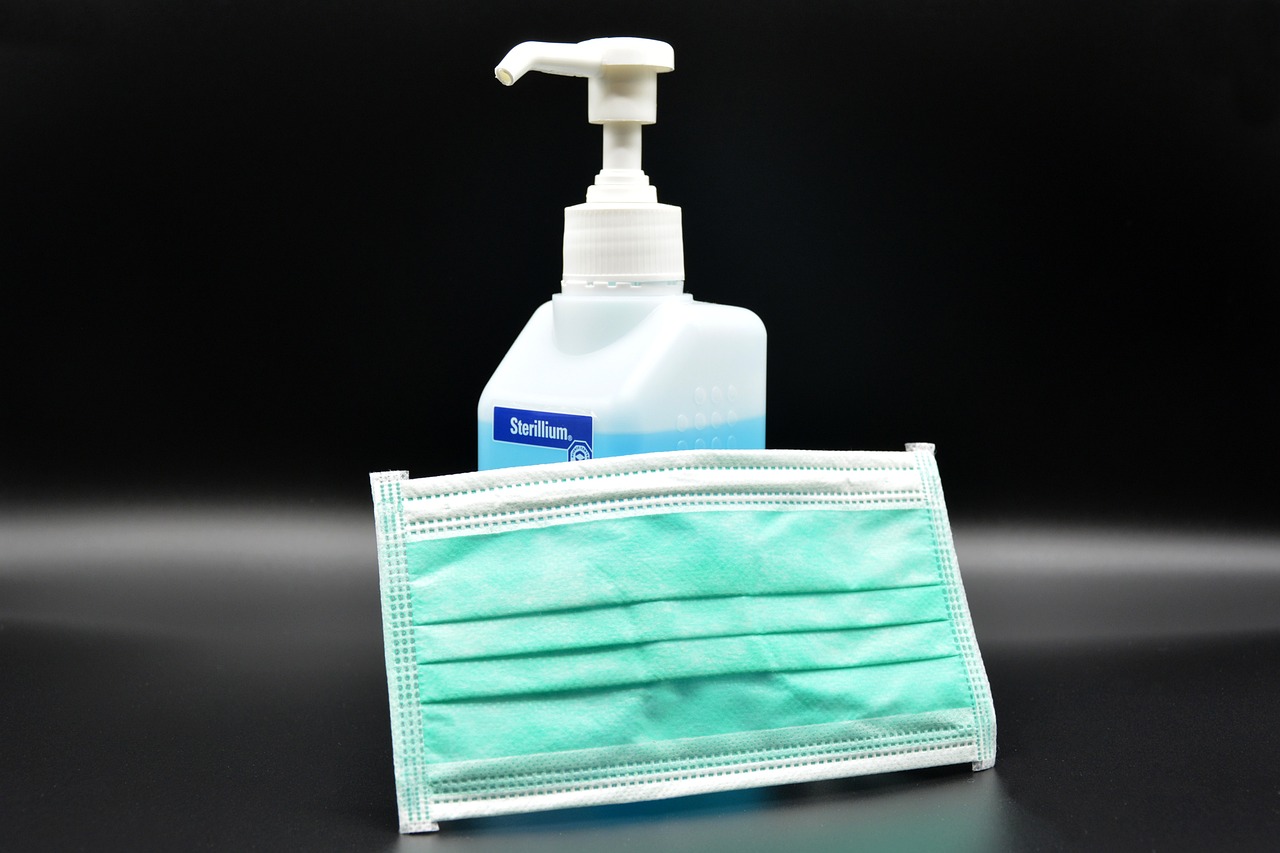
A hard-surface disinfectant for a food plant, a hand disinfectant, a veterinary hygiene product, a drinking water disinfectant, and a material preservative can fall under different rules, test expectations, and approved uses. For broader background on related chemical categories, see the biocides section.
Biocide, disinfectant, sanitizer, and sterilant are not the same
A common selection error is treating antimicrobial terms as interchangeable. They overlap in everyday language, but they do not have the same technical or regulatory meaning. In U.S. EPA terminology, antimicrobial pesticides include products intended to disinfect, sanitize, reduce, or control microorganisms on inanimate objects and surfaces. EPA describes disinfectants as products used on non-living surfaces and objects to destroy or irreversibly inactivate infectious fungi and bacteria, but not necessarily bacterial spores. Sanitizers, by contrast, reduce microorganisms to levels considered safe under applicable public health requirements.
Sterilants sit at a higher performance level. A sterilant is intended to destroy or eliminate all forms of microbial life, including bacterial spores, when used according to validated conditions. That distinction is important in healthcare, pharmaceutical, and laboratory settings, where high-level disinfection and sterilization are separate risk-control concepts. A cleaner removes soil. A sanitizer reduces microbial load. A disinfectant inactivates specified microorganisms. A sterilant is expected to deliver a more complete kill spectrum under controlled conditions.
| Term | Main function | Typical decision question |
|---|---|---|
| Cleaner | Removes visible soil, grease, organic matter, and residues | Will soil prevent the disinfectant from working properly? |
| Sanitizer | Reduces microorganisms to a defined safe level | Is reduction enough for the intended public health or food-contact use? |
| Disinfectant | Inactivates specified bacteria, fungi, viruses, or other organisms on inanimate surfaces | Does the label claim cover the target organism and use site? |
| Sterilant | Destroys all forms of microbial life under validated conditions | Is sterilization required instead of surface disinfection? |
| Preservative biocide | Protects a product or material from microbial spoilage or deterioration | Is the purpose preservation rather than surface disinfection? |
How the United States and European Union classify disinfectant biocides
In the United States, most disinfectants used on inanimate surfaces are regulated as antimicrobial pesticides by the Environmental Protection Agency. EPA reviews active ingredients, product composition, efficacy data, label language, use directions, precautionary statements, and claims before a disinfectant product can be sold with public health claims. EPA public information also notes that more than 4,000 antimicrobial products are registered in the U.S. market. For buyers, the practical takeaway is simple: the label is not marketing copy; it is the enforceable use document.
EPA also separates disinfectant products by claim type and use pattern. Hospital-type disinfectants, broad-spectrum disinfectants, limited disinfectants, virucides, tuberculocides, sanitizers, and sterilants are not just sales categories. They point to different efficacy data packages and different allowed claims. If a facility needs a product for norovirus, SARS-CoV-2, MRSA, or another specified organism, the product must carry the relevant claim or appear on the applicable EPA registered disinfectant list for that pathogen or use context.
In the European Union, the Biocidal Products Regulation, Regulation (EU) No 528/2012, governs the making available on the market and use of biocidal products. ECHA explains the BPR as a framework for products that protect humans, animals, materials, or articles against harmful organisms through the action of active substances. Under Annex V of the regulation, disinfectants sit in Main group 1 and are divided into product types. PT1 covers human hygiene, PT2 covers disinfectants and algaecides not intended for direct application to humans or animals, PT3 covers veterinary hygiene, PT4 covers food and feed areas, and PT5 covers drinking water.
This product-type structure matters in international chemical trade. An active substance approval in one product type does not automatically allow all disinfectant uses. A formulation intended for PT4 food-contact surface disinfection may face different exposure, residue, efficacy, and risk considerations than a PT2 surface disinfectant for public or industrial areas. Companies comparing U.S. and EU requirements should therefore map both the active substance and the finished product claim, not only the chemistry name.
Active chemistry is only one part of performance
Disinfectant buyers often start with active chemistry: quaternary ammonium compounds, chlorine-releasing agents, alcohols, peroxides, aldehydes, iodine compounds, phenolics, acids, or combinations. Chemistry matters because it affects kill spectrum, speed, residue, corrosion, odor, flammability, organic soil tolerance, and worker exposure. It does not, by itself, prove that a product will work in a specific facility.
CDC healthcare disinfection guidance shows why formulation and use conditions matter. Alcohols such as ethanol and isopropanol are rapidly active against many vegetative bacteria and enveloped viruses, and the CDC notes an optimum bactericidal concentration range of about 60 to 90 percent in water. The same guidance also notes that alcohols do not destroy bacterial spores and are not cleared by FDA as liquid chemical sterilants or high-level disinfectants when alcohol is the main active ingredient. This is a useful example of a broader rule: a familiar active ingredient can be effective in one context and inadequate in another.
Chlorine-releasing disinfectants such as sodium hypochlorite may offer broad antimicrobial activity and fast action, but they can be corrosive, unstable when diluted or exposed to light, and incompatible with some materials or cleaning chemicals. Hydrogen peroxide and peracetic acid systems can be strong oxidizing disinfectants, but they require attention to concentration, ventilation, residues, and surface compatibility. Quaternary ammonium compounds are widely used for routine surface disinfection, yet performance can be affected by organic soil, water hardness, incompatible surfactants, and certain target organisms. These are not reasons to reject a chemistry; they are reasons to specify it carefully.
Contact time, soil load, and application method can decide success
A disinfectant claim depends on defined conditions. The same product can underperform if it is diluted incorrectly, wiped dry before the required contact time, applied over heavy soil, used on an incompatible surface, or stored after a working solution has degraded. WHO guidance on surface disinfection has repeatedly emphasized cleaning with soap or detergent before applying disinfectant, because dirt and organic matter can shield microorganisms and interfere with chemical action.
Contact time is the wet time needed for the disinfectant to achieve its label claim. A one-minute product and a ten-minute product may both be valid, but they fit different workflows. In a busy school, food service area, or transport facility, a long contact time may be unrealistic unless procedures are designed around it. In a laboratory or pharmaceutical support area, a longer contact time may be acceptable if it is part of a controlled sanitation program.
Application method also changes exposure and risk. WHO has cautioned against routine indoor spraying of disinfectants in COVID-19 surface guidance, noting that disinfectants should generally be applied by cloth or wipe in that context. Even outside that specific disease setting, the principle remains useful: more chemical dispersion is not automatically better. Fogging, misting, spraying, wiping, immersion, and circulation all need separate risk assessments because they differ in inhalation exposure, surface coverage, residue formation, and equipment requirements. See also: Flocculants.
A practical selection checklist for industrial and institutional buyers
A robust selection process connects microbiological risk to legal claims and day-to-day operating conditions. The following checklist helps avoid the common mistake of buying a disinfectant based only on active ingredient or price per liter.
- Define the use site. Identify whether the product will be used on floors, walls, food-contact equipment, animal housing, water systems, healthcare surfaces, cleanroom furniture, tools, or transport assets.
- List target organisms. Separate routine bacterial control from specific needs such as fungi, enveloped viruses, non-enveloped viruses, mycobacteria, spores, algae, or biofilm-related concerns.
- Check the legal claim. Confirm that the finished product, not merely the active ingredient, is registered or authorised for the intended claim and use site.
- Review dilution and contact time. Consider whether staff can reliably prepare the working solution and keep the surface wet for the required time.
- Assess cleaning requirements. Determine whether pre-cleaning is mandatory and whether the disinfectant tolerates the expected organic soil load.
- Verify material compatibility. Check metals, plastics, rubber seals, coatings, flooring, electronics housings, and food-contact materials.
- Evaluate worker safety. Review personal protective equipment, ventilation, training, storage, spill response, and incompatible chemicals.
- Consider residue and rinsing. Food, beverage, pharmaceutical, and animal-care uses may require special attention to residue limits or post-disinfection rinsing instructions.
- Control shelf life and in-use life. Some diluted disinfectants must be prepared fresh or stored away from light and heat.
- Document procedures. A disinfectant program is only as strong as its standard operating procedures, records, and staff training.
Where disinfectant claims can become misleading
Disinfectant marketing often highlights broad phrases such as kills germs, hospital grade, long lasting, or multi-purpose. Those phrases are not enough for technical selection. The deciding questions are more specific: what claim is supported, under what test conditions, on what surface, at what concentration, and with what contact time?
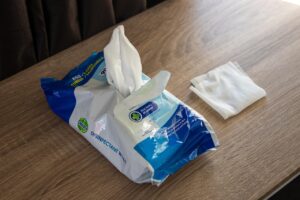
Several claim gaps deserve attention. First, a product may be bactericidal but not virucidal, or effective against enveloped viruses but not tougher non-enveloped viruses. Second, a disinfectant may not be sporicidal, even if it has a broad general kill claim. Third, a product tested on hard non-porous surfaces may not be suitable for porous materials. Fourth, a product used as a preservative inside a formulation is not automatically a surface disinfectant. Fifth, a ready-to-use wipe depends on wipe material, liquid loading, surface area coverage, and wet contact time; it is not simply a liquid disinfectant in another package.
Long-lasting antimicrobial surface claims also need careful review. Some treated articles or residual antimicrobial coatings are designed to inhibit microbial growth on the treated article itself, not to replace routine cleaning and disinfection. In regulated markets, the difference between protecting the article and protecting public health is significant. Procurement teams should ask whether a residual claim is approved for public health disinfection, for treated-article preservation, or for another limited purpose.
Regulatory and sustainability pressures shaping product choice
Disinfectant selection is increasingly influenced by safety, exposure, and environmental expectations. Oxidizing chemistries may create different residue and compatibility issues than quaternary ammonium products. Alcohol-based products may bring flammability and evaporation concerns. Some high-performance disinfectants may require more protective equipment or stronger ventilation. Packaging, concentrated formats, refill systems, transport weight, wastewater impact, and disposal instructions can also affect total cost and risk.
Regulators focus on balancing efficacy and risk. The EU BPR explicitly aims to improve the functioning of the biocidal products market while ensuring a high level of protection for humans, animals, and the environment. EPA disinfectant registration similarly links public health claims with approved label language and risk controls. For suppliers and industrial users, competitiveness will not come only from stronger kill claims. It will also depend on clear use instructions, lower unnecessary exposure, compatible formulations, transparent active substance status, and evidence that supports realistic field use.
Frequently asked questions
Is every disinfectant a biocide?
In many regulatory and technical contexts, a disinfectant is a type of biocidal or antimicrobial product because it is intended to control harmful microorganisms. However, the exact legal wording depends on jurisdiction. The safer statement is that disinfectants are one important subgroup within the wider biocide or antimicrobial product field.
Can a sanitizer replace a disinfectant?
Only if the risk assessment and local rules allow it. A sanitizer reduces microbial levels, while a disinfectant is intended to inactivate specified organisms. Food-contact sanitation, routine housekeeping, healthcare disinfection, and outbreak response can require different claims and procedures.
Why does the label contact time matter so much?
Contact time is part of the tested condition behind the claim. If a surface dries too quickly or is wiped before the required time, the product may not achieve the stated antimicrobial performance. Operational fit is therefore as important as active ingredient strength.
Does a stronger concentration always improve disinfection?
No. Higher concentration can increase corrosion, residues, inhalation risk, skin irritation, cost, and incompatibility without improving the approved claim. Products should be used at the label concentration unless a validated procedure and applicable rules allow otherwise.
What is the most important takeaway for buyers?
Do not select a biocide disinfectant by chemistry name alone. Match the finished product to the use site, target organisms, legal claim, contact time, surface compatibility, safety requirements, and documentation needs.