How to evaluate water treatment chemicals manufacturers for reliable supply

Key Takeaways
- Understand the main symptoms and warning signs.
- Review common risks and prevention options.
- Learn when to seek professional medical advice.
What buyers need to confirm first
Evaluating water treatment chemicals manufacturers should start with the treatment objective, not the price list. A dependable supplier has to match the application, provide documents that can be checked, support dosage testing and deliver within the site’s storage, safety and operating limits. For potable water, buyers should pay close attention to recognized health-effects standards such as NSF/ANSI/CAN 60 and relevant AWWA chemical standards. For wastewater and industrial water, the practical question is whether the chemical helps the plant maintain compliance, operating stability and lifecycle cost without creating new handling, sludge or equipment problems. This buyer’s guide outlines a structured way to evaluate suppliers without relying on unsupported rankings or marketing claims.
Match the manufacturer to the treatment objective
The same chemical name can describe products that behave differently depending on the water source, process design and discharge target. Buyers should define the job to be done first, then shortlist manufacturers that routinely serve that application.
Potable water treatment
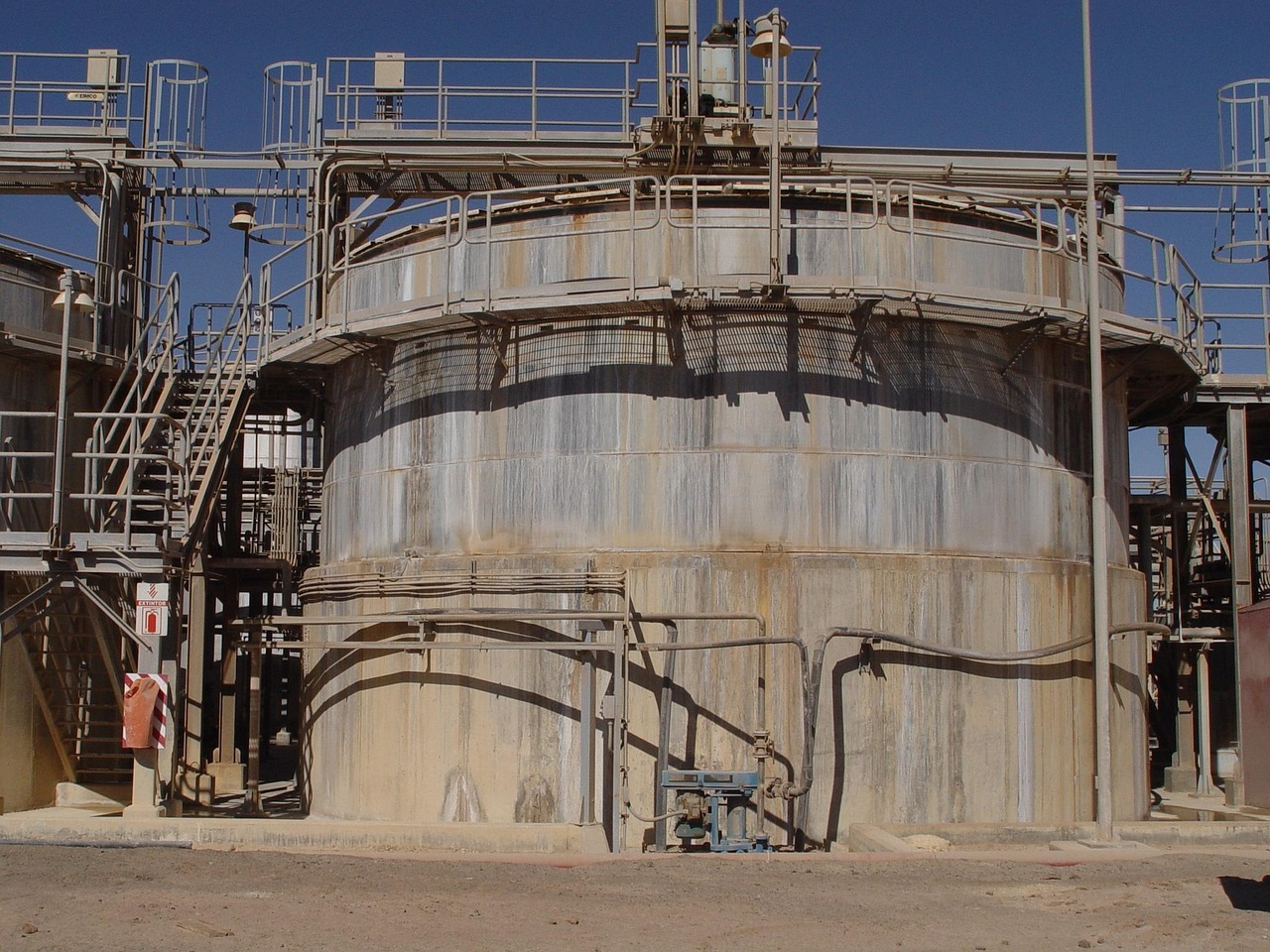
Drinking-water applications typically involve coagulants, disinfectants, oxidants, pH adjustment chemicals, corrosion control chemicals and filter aids. In the United States and Canada, public water systems commonly rely on third-party certification to NSF/ANSI/CAN 60 for chemicals intentionally added to drinking water. That standard addresses health-effect requirements for treatment chemicals and related impurities, making it more relevant than a generic quality certificate for potable-water procurement.
Chemical selection also affects downstream compliance. For example, chlorine, chloramine, ozone and chlorine dioxide programs must be managed alongside disinfectant residual and disinfection byproduct rules. Corrosion inhibitors may be reviewed in the context of lead and copper control programs. A supplier that cannot explain these interactions may be unsuitable even if its unit price looks attractive.
Municipal and industrial wastewater
Wastewater plants often use ferric salts, alum, lime, polymers, pH adjustment chemicals, defoamers and odor-control chemicals. EPA technical materials describe chemical precipitation for phosphorus removal using metal salts such as ferric chloride or aluminum sulfate, as well as lime in certain designs. In practice, a manufacturer should be able to support jar testing, polymer screening, sludge impact review and dose optimization, not just quote a commodity product.
Industrial wastewater adds another layer of complexity because metal finishing, food processing, pulp and paper, mining, chemical production and textile operations produce very different wastewater streams. A supplier with strong municipal references may not automatically understand chelation, oil emulsions, color removal, sulfide control or high-salinity wastewater.
Industrial utility water
Cooling towers, boilers, reverse osmosis systems and process loops use scale inhibitors, corrosion inhibitors, biocides, oxygen scavengers, dispersants, antifoams and membrane pretreatment chemicals. For these applications, buyers should evaluate the manufacturer’s formulation knowledge and monitoring support. The lowest-cost chemical can become expensive if it increases blowdown, damages membranes, causes under-deposit corrosion or requires excessive operator attention.
Check standards, certification and documentation
Documentation is one of the clearest differences between qualified water treatment chemicals manufacturers and weaker suppliers. A serious supplier should provide a current safety data sheet, technical data sheet, certificate of analysis, product specification, recommended storage conditions, shelf-life information and batch traceability. For regulated applications, buyers should also request evidence of third-party certification or conformance to the applicable standard.
- For drinking water: confirm whether the exact product grade is certified to NSF/ANSI/CAN 60 or an equivalent requirement accepted by the relevant authority.
- For AWWA-referenced chemicals: check whether the product is supplied against the appropriate AWWA standard, such as standards covering hypochlorites, ferric chloride, liquid oxygen, alum or other treatment chemicals.
- For wastewater and industrial water: verify impurity limits, active content, insolubles, viscosity, freeze point, density, pH and any contaminants that could affect permits or equipment.
- For hazardous chemicals: review packaging, transport classification, unloading requirements, secondary containment and emergency response information before the first shipment.
A certificate should apply to the product being purchased, not merely to the company name. Buyers should be cautious when a supplier provides an expired certificate, a document for a different grade, or a statement that cannot be matched to the chemical, production site and intended use.
Evaluate manufacturing scope rather than brand size
Large global suppliers can offer strong technical resources and multiple production sites. Local producers and regional distributors, however, may be more competitive for bulk chemicals where freight, shelf life and delivery responsiveness matter. The right choice depends on risk, volume and application sensitivity.
| Supplier profile | Typical strengths | Key buyer checks |
|---|---|---|
| Bulk inorganic chemical producer | Competitive supply of alum, ferric chloride, caustic soda, lime, sodium hypochlorite or acids | Plant location, active content, impurity limits, tank compatibility, delivery frequency and emergency supply plan |
| Polymer specialist | Flocculants, coagulant aids, dewatering polymers and application screening | Charge type, molecular weight range, make-down equipment, aging time, residual monomer limits and sludge performance |
| Specialty formulation company | Cooling water, boiler water, membrane pretreatment and process-specific blends | Monitoring method, compatibility with existing equipment, service model, performance guarantees and formulation transparency |
| Integrated water service provider | Chemicals combined with digital monitoring, field service and process optimization | Total contract cost, data ownership, lock-in risk, response time and clarity of chemical consumption assumptions |
| Distributor or toll blender | Regional inventory, mixed loads, flexible packaging and shorter lead times | Original manufacturer, change-control procedure, storage conditions, repackaging controls and traceability |
Public company information shows how varied the supplier landscape is. Kemira is widely associated with inorganic coagulants and polymers for municipal and industrial water. SNF emphasizes water-soluble polyacrylamide-based polymers used in water treatment and sludge dewatering. Ecolab’s Nalco Water is positioned around industrial water and process management. Solenis describes itself as a specialty chemical provider for water-intensive industries. These examples are useful benchmarks, but they should not be treated as a universal ranking for every project.
Compare chemicals by performance, handling and total cost
Unit price can be a poor guide because water treatment chemicals are consumed, stored and handled in different ways. A more useful comparison is total delivered cost per treated volume or per unit of contaminant removed.
- Dose requirement: a higher-priced polymer or coagulant may cost less in use if it works at a lower dosage.
- Active content: compare the active ingredient, not only the delivered weight or drum price.
- Sludge generation: metal salts and lime can increase solids production, which may raise hauling and disposal cost.
- pH and alkalinity effect: coagulants, acids and caustic products may change the need for pH correction.
- Storage stability: products such as sodium hypochlorite can degrade over time, especially under heat or poor storage conditions.
- Equipment compatibility: confirm material compatibility with tanks, pumps, seals, feed lines and injection points.
- Operator safety: fumes, corrosivity, dusting, viscosity and unloading method can affect training and personal protective equipment needs.
Before switching suppliers, run side-by-side testing under representative conditions. For coagulants and polymers, jar tests should be followed by plant trials where feasible. For cooling and boiler chemicals, confirm that the proposed program fits metallurgy, cycles of concentration, heat load, makeup-water quality and monitoring capability. For membrane systems, check compatibility with membrane materials and cleaning protocols. See also: Flocculants.
Supply-chain questions to ask before approving a manufacturer
Water treatment is an essential operation, so chemical supply interruptions can quickly become compliance or production problems. Buyers should assess resilience before awarding a contract.
- Where is the product manufactured, and is there a qualified backup plant?
- Which raw materials are critical, and have any of them faced allocation or long lead times?
- Can the supplier hold safety stock locally or provide vendor-managed inventory?
- What is the normal lead time for bulk, tote, drum and bagged deliveries?
- How are batch changes, formulation changes or production-site changes communicated?
- What happens if a shipment fails specification or arrives damaged?
- Can the manufacturer provide emergency delivery outside normal schedules?
- Does the supplier have experience with the buyer’s industry, water quality and regulatory environment?
For high-volume bulk chemicals, the logistics review should include tank size, unloading time, truck access, winterization, vapor control, spill containment and compatibility with existing feed systems. For specialty chemicals, buyers should review whether the plant can continue operating if a proprietary formulation becomes unavailable.
Red flags in manufacturer claims
Some claims sound persuasive but do not help buyers make a defensible procurement decision. Be cautious when a supplier presents broad statements without test data, refuses to disclose basic specifications, or claims universal performance across very different water qualities.
- Claims that one product will solve turbidity, odor, phosphorus, metals and sludge problems without site testing.
- Use of terms such as “food grade” or “industrial grade” without a standard, certificate or specification.
- Documents that do not identify the exact product grade, production site or revision date.
- No clear process for complaints, nonconforming material or product recalls.
- Reluctance to discuss impurities, residuals, byproducts or downstream impacts.
A good manufacturer should be willing to define the product’s limits. In water treatment, knowing when a chemical will not work is often as valuable as knowing when it will.
Frequently asked questions
Are global water treatment chemicals manufacturers always better than local suppliers?
No. Global manufacturers may offer broader technical support, multiple chemistries and stronger documentation systems. Local suppliers may offer better delivery economics and faster response for bulk liquids. The decision should be based on application risk, certification needs, logistics and verified performance.
What certificate matters most for drinking water chemicals?
For many U.S. and Canadian potable-water applications, NSF/ANSI/CAN 60 certification is a key document because it addresses health effects of chemicals added directly to drinking water. Buyers should verify that the certificate applies to the exact product and intended use.
Should buyers choose chemicals by lowest delivered price?
Lowest delivered price is only one factor. Buyers should compare dose, active content, sludge generation, labor, storage, safety controls, equipment wear and compliance risk. A cheaper product can cost more if it increases handling problems or requires a higher dosage.
How should a plant qualify a new coagulant or polymer supplier?
Start with document review, then perform jar testing or bench screening with representative water samples. If the results are promising, run a controlled plant trial and track treated-water quality, dose, sludge production, pH, alkalinity, operator feedback and any downstream effects.
Can one manufacturer supply every water treatment chemical?
Some integrated suppliers offer broad portfolios, but few are equally strong in every chemical family and application. Many buyers use a mixed strategy: one supplier for bulk commodities, another for specialty polymers or industrial programs, and a qualified distributor for backup inventory.