How Does Biocide Insecticide Fit into Modern Pest Control?
Key Takeaways
- Understand the main symptoms and warning signs.
- Review common risks and prevention options.
- Learn when to seek professional medical advice.
What Does Biocide Insecticide Mean for Buyers?
For buyers, a biocide insecticide is an insect control product in the wider biocide area when the claimed use is aimed at harmful organisms in public health, facilities, materials, or non-crop sites. In daily sourcing work, this wording is not just a product name. It points to use claims, active substance status, label text, and the market where the product will be sold.
Biocide as a Broad Control Term
Biocide is a broad control term for products made to destroy, deter, render harmless, or control harmful organisms by chemical or biological action. The European Chemicals Agency describes biocidal products under the EU Biocidal Products Regulation as products that need active substance approval and product authorization before market access. Buyers need to watch this point, because even a short label change can move a product into a stricter file review.
Insecticide as a Targeted Pest Tool
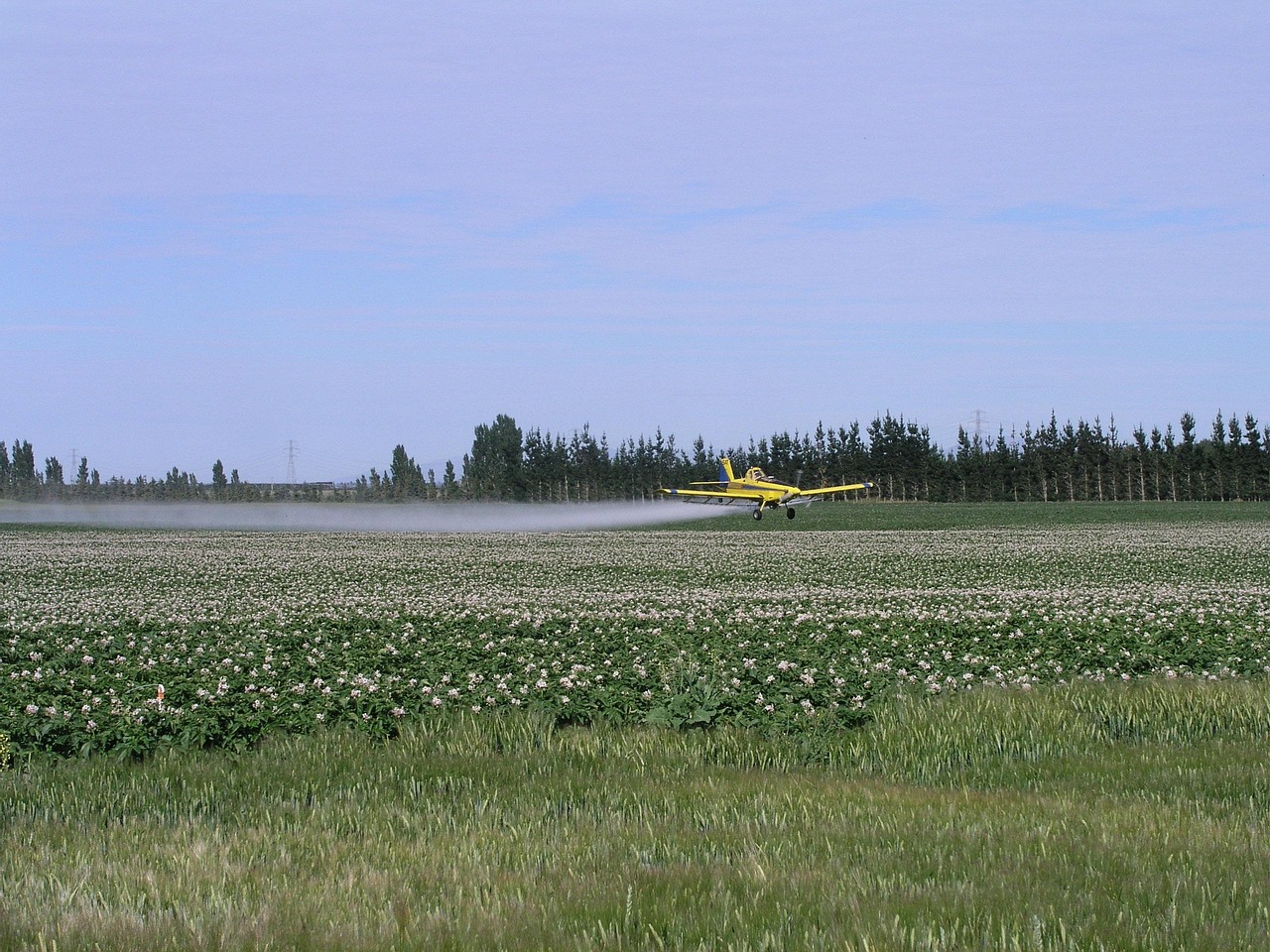
An insecticide is used against insects, and in some systems it is also checked close to acaricides for mites and ticks. The US EPA explains that pesticides cover more than insecticides; they may also include repellents, fungicides, rodenticides, antimicrobials, and other pest control products. So, when a buyer asks for an insecticide, the supplier still needs the pest, surface, user group, and application method before offering the right product.
Borderline Claims That Change the Category
Claims decide which rulebook comes into play. A product sold only as a household cleaner is different from one claiming to kill flies, mosquitoes, or larvae. A coating claiming insect control may be treated in another way from a spray used for indoor space treatment. This is plain compliance work, but it is often where shipment delays start.
How Is a Biocide Insecticide Different From a General Disinfectant?
Disinfectants and insecticides may both sit inside the biocide world, but they are not bought for the same job. Before comparing prices or asking for samples, buyers should separate them by target organism, use site, and performance claim.
Target Organism Sets the Direction
A disinfectant is normally used against microorganisms such as bacteria, viruses, fungi, or algae. An insecticide is used against insects such as mosquitoes, flies, ants, cockroaches, or stored product pests. The US EPA’s 2026 antimicrobial pesticide information notes that more than 4,000 antimicrobial products are registered with the agency, which shows how large this separate disinfectant category is.
Surface Use and Space Treatment
At first look, surface use can seem similar. A trigger spray, concentrate, fogging liquid, or wipe may all be packed in containers that buyers already know. The real difference is the label instruction. Does it treat a floor drain for flies? Does it disinfect a table? Does it leave a residual barrier for crawling insects? These details matter when an importer prepares the file.
Claim Wording on Labels
Words such as kills, repels, controls, prevents, and protects can trigger pesticide or biocide rules. In the EU, ECHA lists 22 biocidal product types in four main groups, and Product Type 18 covers insecticides, acaricides, and products to control other arthropods. A label that sounds simple to a sales team may look very specific to a regulator.
Where Is Biocide Insecticide Used in Real Trade?
Most buyers do not buy a biocide insecticide as a general idea. They buy a formulation for a site, a pest problem, and a sales or project channel. Public health projects, warehouses, food-adjacent facilities, livestock buildings, and treated materials all bring different requirements.
Public Health Pest Control
Mosquito and fly control are still major public health uses. The World Health Organization’s vector-borne disease fact sheet, published in 2024, states that vector-borne diseases account for more than 17% of all infectious diseases and cause more than 700,000 deaths each year. This does not mean chemical control is the only answer, but it explains why reliable insect control still gets serious attention from health teams and local buyers.
Stored Product and Facility Protection
In warehouses, mills, packaging rooms, and logistics centers, insect problems often begin with small signs. A few moths near a loading door can turn into a complaint from a buyer two countries away. In this setting, product choice may depend on residual activity, odor, staining risk, ventilation, and whether the site handles food, feed, textiles, or general cargo.
Treated Articles and Materials
Some insect control claims appear in treated articles such as nets, screens, wood, packaging materials, or polymer parts. In these cases, the treated article rule can be as important as the formulation itself. ECHA guidance on treated articles focuses on whether the article has a biocidal function and whether the active substance is allowed for that use.
Which Data Should Shape Product Selection?
Good sourcing depends on real data, not only a high assay number or a low price per drum. Public data will not always give one clean figure for the combined phrase biocide insecticide. Buyers should use reliable category data and be careful with market numbers that have no source.
Global Pesticide Use Shows Scale
The FAO Pesticides Use and Trade update for 1990 to 2023 reports that agricultural pesticide use reached 3.73 million tonnes of active ingredients in 2023. It also reported a 2% decrease from 2022, a 14% increase over a decade, and roughly double the 1990 level. This is wider than biocides, but it shows the scale behind active substance supply, registration work, and residue concern.
Public Health Numbers Explain Demand
WHO also reports that more than 3.9 billion people in over 132 countries are at risk of dengue, with about 96 million symptomatic cases and around 40,000 deaths each year. For a buyer, the working point is simple: demand for insect control is not only seasonal retail demand. In many regions, it is linked to health programs, climate patterns, drainage, housing, and city growth.
Missing Data Should Be Named
Reliable public agencies do not publish one neat global tonnage for “biocide insecticide” as a combined commercial category. If a supplier gives a market-size number, ask for the source, year, scope, and whether it counts active ingredient, formulated product, or sales value. If those details are missing, treat the number as sales talk, not evidence. See also: Flocculants.
How Should You Check Active Ingredients and Formulations?
A clean specification sheet helps, but it is only the first check. A buyer should match the active ingredient, concentration, formulation type, target pest, and local registration path before confirming an order.
Active Substance Status Comes First
Active substances may be approved for one use and not another. Under the EU BPR, active substances need approval before a biocidal product containing them can receive authorization. In the United States, products making pesticidal claims generally need EPA registration unless a narrow exemption applies. The same chemical name can face different rules by market.
Formulation Type Changes Performance
Common forms include emulsifiable concentrates, suspension concentrates, wettable powders, granules, aerosols, baits, microcapsules, and ready-to-use sprays. A 10% active ingredient product does not perform the same in every form. A bait may work where spraying fails. A microcapsule may last longer on a wall, but it may not be suitable for some sensitive areas.
Document Pack Reduces Rework
Before shipment, ask for a document pack that matches the destination market and the exact product version. This saves time when the forwarder, customs broker, distributor, or registration consultant starts checking the file. Useful items include:
- Product specification with active ingredient range and formulation type.
- Safety Data Sheet in a 16-section GHS-style format.
- Label draft with target pest, dose, user group, and use site.
- COA for the batch and packaging details.
- Registration status or a clear statement that the buyer handles registration.
How Can You Reduce Resistance and Safety Problems?
A biocide insecticide should work now without making later pest control harder. That means correct dose, label use, storage control, and rotation based on mode of action. Cutting the dose to save cost may look good for one shipment, then become expensive in the next season.
Mode of Action Rotation
The Insecticide Resistance Action Committee’s Mode of Action Classification, version 11.5 in 2026, says resistance programs should avoid treating successive pest generations with compounds from the same mode of action group. In plain words, do not keep using the same mode of action on the same pest population again and again. Rotation needs to be planned before field failure shows up.
Label Rate and Contact Time
Too little product may leave survivors. Too much product may raise residue, odor, worker exposure, or environmental risk. Follow the label rate, contact time, and re-entry direction for the registered use. For treated surfaces, check porosity, cleaning schedule, sunlight, and humidity, because these site details can change field results.
Storage and Handling Discipline
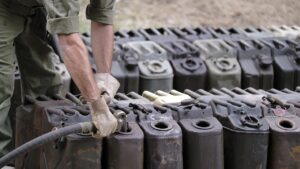
Chemical performance can fall if drums sit in heat, freeze, leak, or get diluted with poor-quality water. OSHA’s hazard communication rules in the United States and the UN GHS framework both stress clear hazard communication through labels and Safety Data Sheets. For a buyer, readable labels, intact packaging, and trained handlers are part of product quality.
FAQ
Q1: Is every insecticide a biocide? A: Not always in the same legal sense. In many non-crop uses, an insecticide can fall under biocide rules, but agricultural crop protection may follow plant protection or pesticide rules instead.
Q2: Can one product kill insects and disinfect surfaces? A: It is possible, but each claim must be supported and allowed in the target market. A dual-claim product usually needs a stronger data package and tighter label control.
Q3: What is the most important document for import review? A: The label and SDS are usually checked first, but registration status, active substance approval, COA, and product specification are also important.
Q4: Should buyers choose the highest active ingredient concentration? A: Not automatically. Formulation type, target pest, surface, safety profile, odor, residue, and approved use often matter more than a higher percentage.
Q5: How often should insecticide mode of action rotate? A: Rotation should follow local expert advice, the product label, and IRAC mode of action groups. The main point is to avoid repeated pressure from the same group on the same pest population.