Can a Wastewater Treatment Facility Meet Tougher Limits without Higher Costs?
Key Takeaways
- Understand the main symptoms and warning signs.
- Review common risks and prevention options.
- Learn when to seek professional medical advice.
Why Does a Wastewater Treatment Facility Matter to Your Plant?
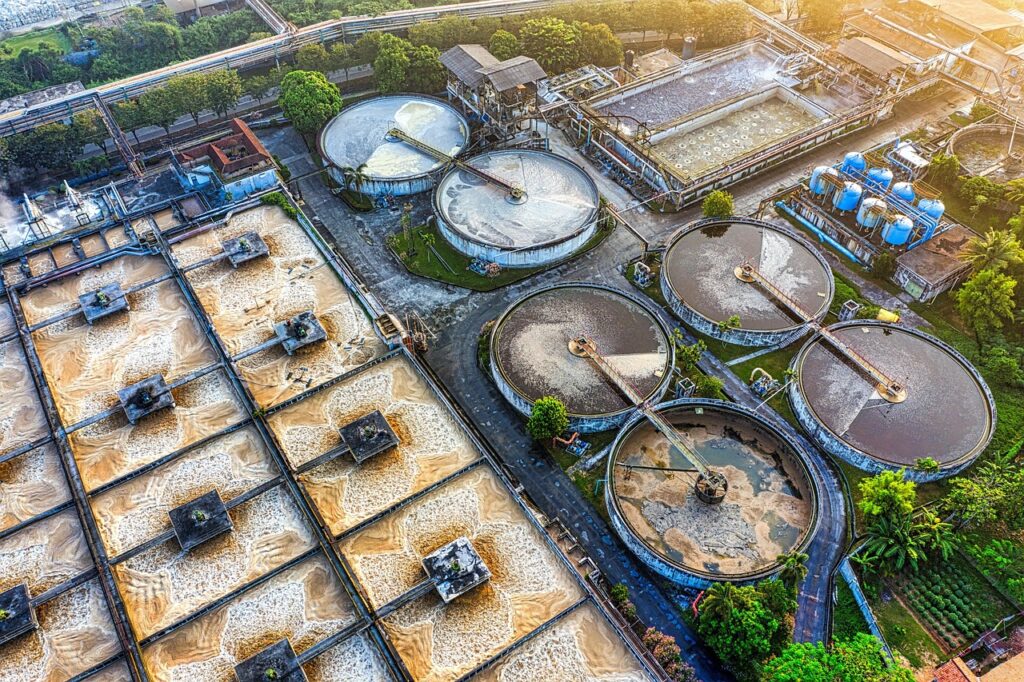
A wastewater treatment facility is not just something placed at the back of the site. For a chemical plant, food processor, metal finisher, textile mill, or municipal operator, it protects production time, discharge permits, receiving waters, and in many cases the company name. If you are checking process routes or planning a new project, the wastewater treatment solutions you choose should match the real wastewater, not just a clean design table.
Public data also shows why this subject keeps coming up. UN-Water reported in its 2024 update that, among countries with enough data, only part of global wastewater is treated to at least secondary level, and data coverage is still uneven. In the United States, the Congressional Research Service reported in 2025 that about 17,500 publicly owned treatment works serve roughly 270 million people, and EPA’s 2024 needs assessment put clean water infrastructure needs at about $630 billion over 20 years. The lesson is simple: treatment works when it is planned, paid for, and checked every day. (unwater.org)
Compliance Starts at the Discharge Point
Your discharge permit is usually where the discussion gets serious. In the U.S. context, EPA explains that the NPDES program regulates point-source pollutant discharges to waters under Clean Water Act authority. A permit normally says what can leave the pipe, how often you need to test, and what records must be kept. Even outside the U.S., buyers, lenders, and local regulators often want the same basic proof: show the effluent quality, not just the equipment list. (epa.gov)
Treatment Protects Rivers and Reuse Plans
A well-run facility removes oxygen-demanding material, suspended solids, nutrients, oils, metals, pathogens, and site-specific chemicals before discharge or reuse. Reuse can be a good target, especially where water is limited, but it only works when water quality stays steady. A cooling tower makeup stream, for example, will not accept high hardness, surfactant foam, or leftover ammonia for long. The water may look clear and still create scaling, odor, or process trouble.
Poor Design Shows up as Daily Trouble
Poor design does not usually fail in a quiet way. It appears as foaming aeration basins, floating sludge in clarifiers, blocked screens, chemical overdosing, permit exceedances, and operators walking the site at 2 a.m. after a storm. Small misses, such as leaving out equalization for a batch chemical process, can become costly once production volume goes up. The plant may run, but it runs with too many alarms and too much manual fixing.
What Should You Check before Choosing a Treatment Process?
Before comparing activated sludge, MBR, DAF, MBBR, anaerobic treatment, advanced oxidation, or tertiary filtration, start with wastewater data. A process that works for domestic sewage may not handle solvent traces, high salinity, surfactants, heavy metals, biocides, or shock COD from cleaning cycles. A treatment train should fit the waste stream the way a work boot fits the job, not the way a catalog picture looks on a desk.
Wastewater Strength and Flow Swings
Ask for flow data by hour, shift, day, and season. Average daily flow helps, but peak flow often sets pipe size, tank volume, pump duty, and clarifier loading. For industrial sites, one batch dump from a reactor wash can carry more COD than several hours of normal production. Equalization tanks can smooth those peaks, but they need mixing, ventilation when required, and sizing based on real production patterns.
Pollutants That Drive the Permit
Every site has a few pollutants that drive cost. For a brewery, it may be BOD and pH. For a plating line, metals and cyanide risk may control the design. For a chemical site, refractory COD, solvents, color, high TDS, or toxicity to biomass may be the hard part. List the limiting pollutants early, then choose treatment steps around them. If reliable public data is not available for a niche contaminant, say so and run bench or pilot tests instead of guessing.
Space, Staffing, and Local Climate
A compact system may save land, but it can need skilled operators, tighter screening, and more maintenance. Lagoons are often easier to run, but they need space and can respond slowly in cold weather. Hot climates can support faster biological rates, but they also bring odor and corrosion risks. The better choice depends on labor, spare parts, sludge outlets, rainfall, temperature, and how quickly production changes.
Which Treatment Steps Belong in a Reliable Facility?
Most facilities use several barriers instead of one single unit. The chain can be simple or more advanced, but each step should protect the next one. In many plants, the lowest-cost fix is not exciting: better screening, steadier pH, or a small equalization upgrade. Operators know this well. New equipment gets attention, but the headworks often prevents the worst problems.
Screening and Equalization First
Coarse screens, fine screens, grit removal, oil separation, and equalization protect pumps and downstream reactors. For chemical wastewater, pH correction may also be needed near the front of the line. Equalization is especially useful when production has cleaning-in-place cycles, batch tanks, or trucked waste. Without it, biology can see high load, low load, and sometimes toxic shock in the same day.
Biological Treatment for BOD and Nutrients
Biological treatment remains a common workhorse because microbes can remove biodegradable organics and, with the right zones, nitrogen. EPA’s secondary treatment standards for municipal plants are framed around BOD5, TSS removal, and pH, which shows how important these indicators still are. For industrial wastewater, toxicity checks matter because a small amount of inhibitory chemical can slow the whole basin. When biology is upset, recovery can take longer than the production team expects. (epa.gov)
Clarification, Filtration, and Disinfection
After biological treatment, solids still need to separate. Clarifiers, membranes, dissolved air flotation, sand filters, disc filters, and disinfection systems all have their place. The choice depends on discharge limits and reuse goals. UV disinfection needs low turbidity, while chlorine needs contact time and dechlorination if required. Membranes can give high clarity, but they are not friendly to poor pretreatment.
How Can Equipment Choices Lower Operating Cost?
Operating cost is not only a finance issue. It affects compliance because systems without enough budget slowly drift out of control. Energy, chemicals, sludge hauling, membranes, lab work, and emergency repairs all hit the budget. EPA states that water and wastewater utilities can often save 15 to 30 percent through energy efficiency practices, while the University of Michigan Center for Sustainable Systems notes that about 2 percent of U.S. electricity use goes to pumping and treating water and wastewater. (epa.gov)
Aeration Control with Real Oxygen Data
Aeration often uses the most power in biological plants. Blowers should respond to dissolved oxygen demand, not run flat out because that is how the plant has always been operated. Fine-bubble diffusers, clean air headers, VFD blowers, ammonia-based aeration control, and regular diffuser maintenance can reduce waste. At the same time, do not starve the biology. Low oxygen may cut power today and cause ammonia violations tomorrow.
Pumps, Blowers, and Mixers Sized for Actual Flow
Oversized motors look safe on paper, but they can waste power and run poorly at low load. Undersized units create backups, bypass risk, and stress for operators. Use measured flow, pipe losses, future capacity, and redundancy needs when sizing pumps, blowers, and mixers. One small note from real plants: a cheap level sensor installed in a dirty wet well can become one of the most annoying failures on site. Put instruments where people can reach and clean them.
Sludge Handling That Does Not Fight the Process
Sludge is often the cost center that gets noticed late. Thickening, dewatering, polymer use, storage, odor control, and disposal routes need early planning. If sludge wasting is irregular, clarifiers suffer and effluent solids rise. If polymer dose is wrong, cake stays wet and hauling costs jump. Good sludge handling makes the main treatment process easier to control. See also: Flocculants.
What Data Should Operators Track Every Day?
A facility becomes more reliable when operators can spot small changes before they become violations. Daily readings should not sit in a binder that nobody opens. A simple dashboard, a whiteboard, or a weekly review can help if the numbers are honest and up to date. Good software is useful, but regular attention matters more.
Flow, pH, Temperature, and Loading
Flow shows hydraulic stress. pH tells you whether biology and chemicals can do their job. Temperature changes reaction speed. Loading connects production activity to treatment demand. Track these values against plant events such as product changeovers, cleaning, rain, or maintenance shutdowns. Patterns often appear sooner than people expect.
BOD, TSS, Ammonia, and Nutrients
BOD and COD show organic load. TSS shows how well solids are being captured. Ammonia, nitrate, total nitrogen, and phosphorus show whether nutrient removal is steady. For chemical facilities, add site-specific tests such as oil and grease, metals, phenols, color, toxicity, conductivity, or chloride. Test frequency should match risk because a quarterly sample cannot explain yesterday’s upset.
Alarms, Maintenance, and Lab Records
Good records protect you during audits and help with troubleshooting. Keep calibration logs, lab chain-of-custody notes, sludge wasting records, blower run hours, pump maintenance, chemical deliveries, and alarm history. When the same pump trips every Friday afternoon, the log will show the pattern. It may not be fun reading, but it often points to the real cause.
How Do You Plan Expansion or Upgrades?
Upgrades should start with bottlenecks, not equipment shopping. A plant may need more aeration, but it may also need stronger pretreatment, better equalization, improved sludge wasting, or a new control strategy. EPA’s 2022 Clean Watersheds Needs Survey, summarized in 2024, points to large long-term investment needs for wastewater infrastructure, so phased and practical planning matters. (epa.gov)
Start with Bottlenecks, Not Catalogs
Map the flow path from the first drain to final discharge. Check pumps, screens, tanks, air supply, clarifiers, filters, disinfection, sludge handling, and controls. Then ask where the first failure happens during peak load. Fixing that point may bring more value than adding a new process at the end. This review also helps avoid spending money on equipment that does not solve the main limit.
Use Pilot Tests for Difficult Waste Streams
Pilot tests are worth the time when wastewater has unusual chemistry. A jar test can show coagulant demand. A small bioreactor can show toxicity or biodegradability. A membrane pilot can show fouling. For advanced oxidation or adsorption, pilot work helps avoid big promises based on small lab samples. If the waste changes by product campaign, test more than one campaign.
Build in Room for Future Rules
Future-proofing does not mean buying every advanced unit now. It means leaving room for tanks, pipe tie-ins, electrical capacity, sample points, and controls. Nutrient limits, PFAS concerns, reuse targets, and storm resilience may shape future permits. Space and access are much easier to allow during construction than after concrete is poured.
FAQ
Q1: What Is the Most Important Part of a Wastewater Treatment Facility? A: The most important part is the full treatment train working as one system. Equalization, biological treatment, solids separation, disinfection, sludge handling, and monitoring all support each other.
Q2: How Often Should Industrial Wastewater Be Tested? A: It depends on permit limits and process risk. High-risk streams may need daily or even continuous checks for pH, flow, conductivity, and key pollutants, while lower-risk parameters may follow permit schedules.
Q3: Can One Facility Treat Both Sanitary and Chemical Wastewater? A: Yes, but only when the chemical load will not harm biology, create unsafe conditions, or break permit limits. Pretreatment, segregation, and equalization are often needed.
Q4: Why Does Aeration Cost So Much? A: Biological treatment needs oxygen, and blowers run many hours per day. Poor diffuser condition, wrong dissolved oxygen setpoints, and oversized blowers can raise power bills quickly.
Q5: When Should You Upgrade Instead of Repairing Old Equipment? A: Upgrade when repairs no longer reduce permit risk, spare parts are hard to find, energy use is high, or production growth will overload the current system. A bottleneck review should come first.