Cooling tower scale & corrosion inhibitors for reliable water treatment
What these inhibitors do in a cooling tower water program
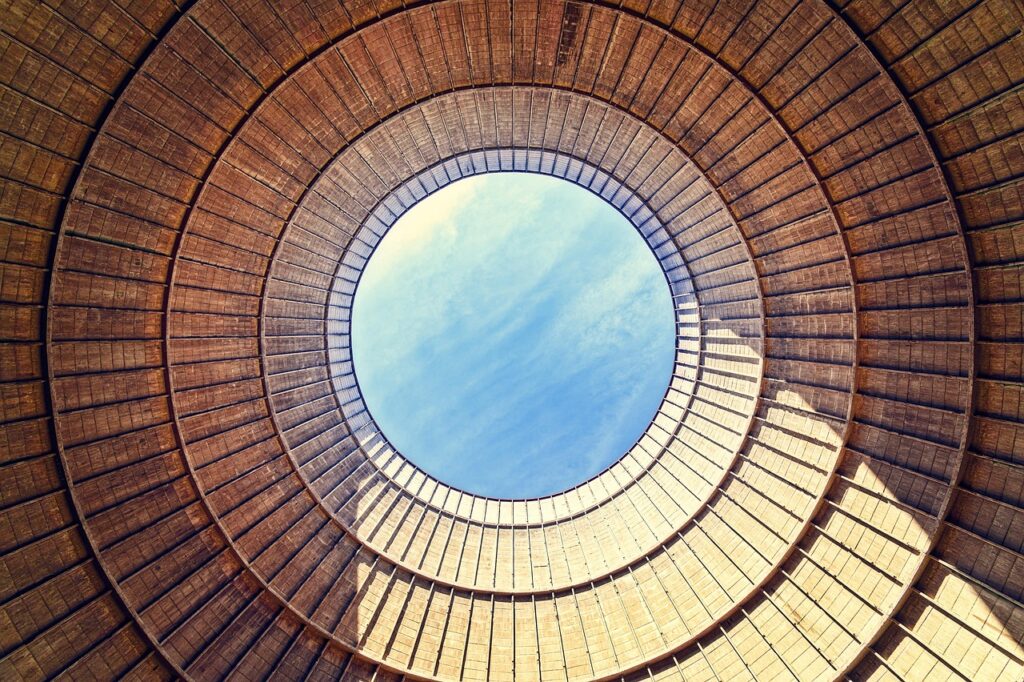
Cooling tower scale & corrosion inhibitors are chemical tools used to keep evaporative cooling systems stable, efficient, and easier to maintain. They do not replace system cleaning, biocide control, blowdown management, or sound engineering design. Their role is to delay mineral deposition, disperse solids, and reduce metal attack as evaporation concentrates dissolved minerals in the recirculating water. In practice, a well-managed inhibitor program helps protect heat-transfer surfaces, piping, basins, pumps, and mixed-metal components while the tower operates at an appropriate cycles-of-concentration target.
For technical and procurement teams, the main question is rarely whether a tower needs treatment. It is which inhibitor chemistry fits the makeup water, metallurgy, operating temperature, microbiological control program, and discharge limits. There is no universal formula. A useful selection process starts with operating data, then matches scale and corrosion control to the actual conditions in the system.
Readers tracking related industrial additive chemistry can find more coverage in the Inhibitors section.
Why cooling towers create both scale and corrosion risks
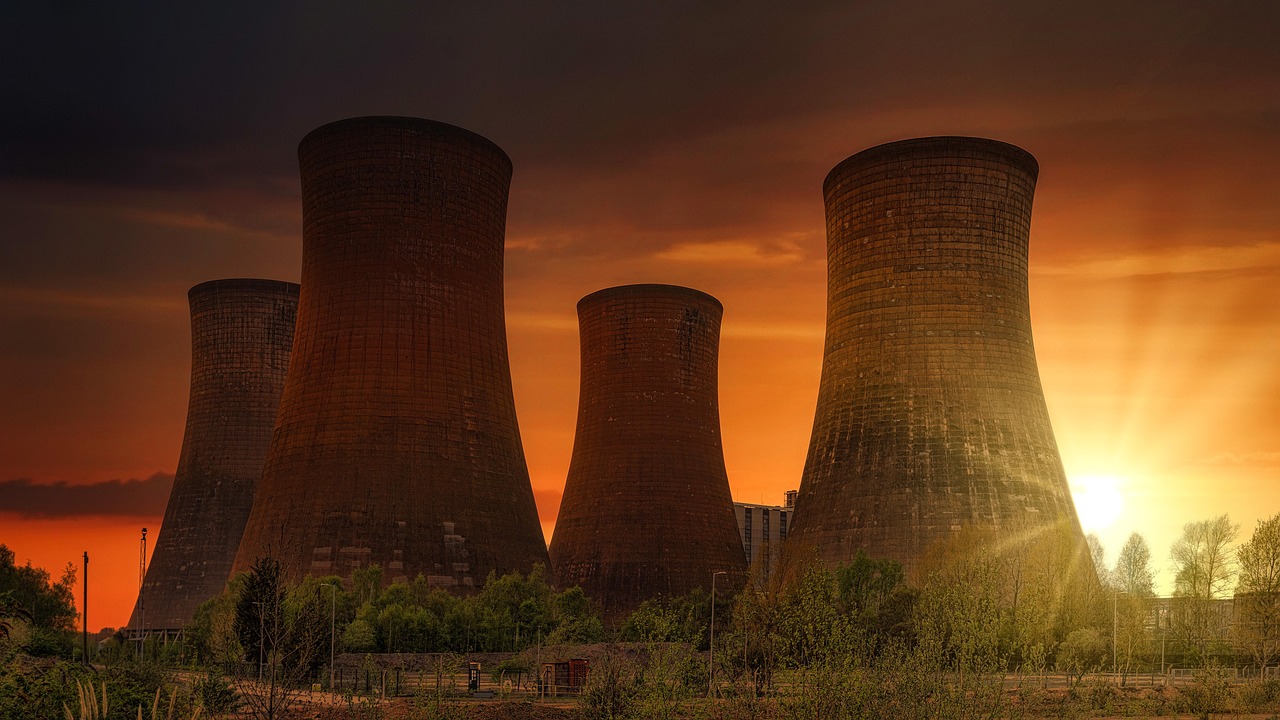
Open recirculating cooling towers remove heat mainly by evaporating part of the circulating water. Evaporation leaves dissolved minerals behind, so calcium, magnesium, alkalinity, silica, chloride, sulfate, and other ions become more concentrated during operation. If the chemistry exceeds solubility limits, minerals can deposit as scale on heat-transfer surfaces or in low-flow areas. If the water becomes too aggressive, highly oxygenated, biologically active, or contaminated, system metals can corrode.
ASHRAE Handbook guidance describes water treatment as a control strategy for deposition, corrosion, fouling, and biological growth. EPA WaterSense guidance similarly identifies pH, alkalinity, conductivity, hardness, microbial growth, biocide, and corrosion inhibitor levels as critical parameters for cooling tower control. These parameters are connected. Scale reduces heat transfer and can create under-deposit zones. Corrosion releases iron and other corrosion products that become foulants. Biofilm traps inorganic particles and can create localized corrosion cells.
The CDC’s cooling tower Legionella guidance, updated January 3, 2025, is also relevant. It states that scale, corrosion, sediment controls, and cleaning are critical for cooling tower operation and Legionnaires’ disease prevention. That does not make scale or corrosion inhibitors disinfectants. It means poor deposit and corrosion control can weaken the broader water management program by creating protected surfaces and additional nutrients for microorganisms.
How scale inhibitors and corrosion inhibitors work together
Scale inhibition
Scale inhibitors are designed to delay or reduce mineral precipitation. Common industrial chemistries include phosphonates such as HEDP, ATMP, and PBTC; polyacrylic acid; polymaleic acid; sulfonated copolymers; and phosphate-specific polymeric dispersants. Their functions include threshold inhibition, crystal modification, and dispersion. In practical terms, they help prevent small amounts of hardness salts from forming hard, adherent deposits and help keep suspended solids mobile long enough to be removed by blowdown or filtration.
Scale control depends on pH, temperature, hardness, alkalinity, silica, residence time, and cycles of concentration. A chemistry that performs acceptably at moderate hardness and controlled pH may fail when makeup water changes, when reclaimed water is introduced, or when tower cycles are increased without adjusting polymer and dispersant control. For that reason, scale inhibitors should be selected from current water analysis rather than generic dosage rules.
Corrosion inhibition
Corrosion inhibitors reduce electrochemical attack on metals. They may form protective films, passivate metal surfaces, or influence cathodic and anodic reactions. Cooling water systems often contain carbon steel, galvanized steel, copper alloys, stainless steel, and sometimes aluminum or specialty alloys. A single inhibitor rarely protects every surface equally.
Common corrosion-control components include phosphate or polyphosphate programs, phosphonate blends, molybdate, silicate, zinc, and azoles such as benzotriazole or tolyltriazole for copper and copper alloys. Zinc and phosphate-based programs can be effective in some waters, but they may be constrained by discharge permits or local wastewater requirements. Chromate-based corrosion inhibitors are historically important, but they are generally avoided in modern cooling water programs because of toxicity and environmental restrictions.
The key issue is balance. Very aggressive water may limit scale but corrode metals. Highly scale-forming water may provide some mild steel protection but foul heat exchangers. Modern treatment therefore aims for controlled stability rather than treating “non-scaling” and “non-corrosive” as separate goals.
Matching inhibitor chemistry to water and operating conditions
No responsible supplier or facility team should select cooling tower scale and corrosion inhibitors without reviewing the operating envelope. The same product can perform differently in a data center, refinery, food plant, hospital, or district cooling system because heat load, metallurgy, water source, and compliance limits differ.
| Selection factor | Why it matters | Practical implication |
|---|---|---|
| Makeup water chemistry | Hardness, alkalinity, silica, chloride, sulfate, and TDS set the baseline for scaling and corrosivity. | Run a current water analysis before choosing cycles and inhibitor chemistry. |
| Cycles of concentration | Higher cycles save water but concentrate scale-forming and corrosive ions. | Raise cycles only with conductivity control, testing, and discharge review. |
| System metallurgy | Carbon steel, galvanized steel, copper alloys, and stainless steel need different protection. | Use azoles for yellow metals where copper alloys are present. |
| Microbiological control | Biofilm can trap deposits and accelerate localized corrosion. | Coordinate inhibitor selection with oxidizing and non-oxidizing biocides. |
| Discharge limits | Phosphorus, zinc, biocide residuals, and other additives may be regulated in blowdown. | Check permits and local sewer rules before committing to a program. |
| Alternative water sources | Reclaimed water, RO reject, or blended sources can change phosphate, ammonia, hardness, and bacteria levels. | Expect more monitoring and chemistry adjustment when water quality varies. |
ASHRAE Handbook material notes that reclaimed water may contain higher hardness, alkalinity, phosphate, ammonia, and background bacteria than potable water. Those conditions can increase scale, biofouling, and copper-alloy corrosion risk unless the treatment program is redesigned. This is one reason a water-saving project can fail when it focuses only on makeup volume and ignores inhibitor demand.
Monitoring points that determine inhibitor performance
Inhibitors work only when they are present at the right residual and the tower operates within defined control limits. EPA WaterSense guidance recommends understanding cycles of concentration, checking makeup-to-blowdown and conductivity ratios, and using conductivity controllers to automate blowdown. It also notes that many systems operate at two to four cycles of concentration, while six or more may be possible in some cases. The same guidance reports that increasing cycles from three to six can reduce cooling tower makeup water by about 20 percent and blowdown by about 50 percent, provided water chemistry remains controlled. See also: Flocculants.
Those savings are attractive, but they raise the importance of monitoring. A basic monitoring plan commonly includes pH, conductivity, alkalinity, calcium hardness, total hardness, silica, chloride, sulfate, iron, copper, inhibitor residual, oxidizing biocide residual, microbiological indicators, corrosion coupons, and visual inspection. Large systems often use automated chemical feed tied to makeup water flow, conductivity, or online analyzers. The U.S. Department of Energy has described advanced cooling tower controllers as tools for real-time monitoring of chemical feed and cycles of concentration, but controller set points still need specialist input.
Performance should be judged by evidence, not by product labels. Useful indicators include stable heat-transfer approach temperatures, low visible deposition, acceptable corrosion coupon results, controlled iron and copper levels, consistent biocide residuals, and water reports that stay within defined limits. If a system needs repeated emergency cleaning, the root cause may be poor control limits, fouling, tower design issues, inconsistent feed, or water-quality changes rather than the inhibitor molecule alone.
Water efficiency, discharge rules, and health risk management
Cooling tower treatment programs now sit at the intersection of water conservation, chemical stewardship, and health risk management. Raising cycles of concentration can reduce water use, but it also increases dissolved solids and can concentrate additives in blowdown. Some facilities face permit limits or sewer restrictions for phosphorus, zinc, residual oxidants, metals, or other regulated substances. A low-cost inhibitor is therefore not necessarily the lowest-risk option if it makes discharge compliance harder.
Biological control is separate but connected. EPA released final guidance in 2024 for efficacy testing of antimicrobial products making Legionella pneumophila claims in cooling tower water. That action concerns antimicrobial product claims, not scale and corrosion inhibitors. However, it reinforces the need to operate cooling towers under water management plans rather than treating any single chemical as a complete solution.
ASHRAE Standard 188-2021 sets minimum requirements for legionellosis risk management in building water systems, while ASHRAE Guideline 12-2023 provides supporting guidance for managing Legionella risk in specific building water systems, including cooling towers and condensers. Facility teams should treat inhibitor control as one element of that larger program. Clean surfaces, correct biocide residual, drift control, basin maintenance, and documented corrective actions all matter.
A practical selection checklist
- Start with current makeup water and recirculating water analyses, not only historical data.
- Define target cycles of concentration and confirm that the target is compatible with scale indices, silica limits, and discharge requirements.
- List all system metals, including galvanized steel, copper alloys, stainless steel, and any aluminum components.
- Check whether the tower uses potable water, reclaimed water, RO reject, rainwater, or blended sources.
- Require a monitoring plan that includes inhibitor residual, pH, conductivity, hardness, microbiological control, and corrosion testing.
- Confirm compatibility with oxidizing and non-oxidizing biocides, biodispersants, and sidestream filtration.
- Review wastewater permits or sewer discharge rules before selecting zinc-, phosphorus-, or specialty additive programs.
- Document control limits, alarm points, corrective actions, and responsibilities.
The strongest programs are usually not the ones with the most chemicals. They are the ones with clear limits, consistent feed, reliable measurement, and chemistry matched to real operating conditions.
Frequently asked questions
Are scale inhibitors and corrosion inhibitors the same thing?
No. Scale inhibitors focus on mineral deposition, while corrosion inhibitors focus on metal protection. Many commercial cooling tower products blend both functions, but the mechanisms and performance tests are different.
Can a cooling tower run without chemical inhibitors?
Some systems with excellent makeup water, resistant materials, conservative cycles, and strong mechanical control may need less chemical treatment. However, most open recirculating cooling towers benefit from some form of scale, corrosion, and biological control. Any reduction should be validated with water testing, corrosion monitoring, and inspection.
Do inhibitors control Legionella?
Scale and corrosion inhibitors are not Legionella disinfectants. They support cleaner, more controllable conditions by reducing deposits and corrosion products, but Legionella risk management requires a documented water management program, appropriate disinfectant control, cleaning, monitoring, and corrective action.
Why do cycles of concentration affect inhibitor choice?
Higher cycles concentrate dissolved minerals and treatment chemicals. This can improve water efficiency but increases the challenge of controlling scale, corrosion, and blowdown quality. Inhibitor dosage and chemistry should be reviewed whenever cycles are changed.
What should be checked before switching inhibitor programs?
Check makeup water quality, tower cycles, metallurgy, existing deposits, microbiological history, discharge limits, biocide compatibility, and monitoring capability. A change made without baseline data can shift the problem from scale to corrosion, or from water savings to compliance risk.